
Scientific Revelations: Ancient Volcanoes and Space Missions
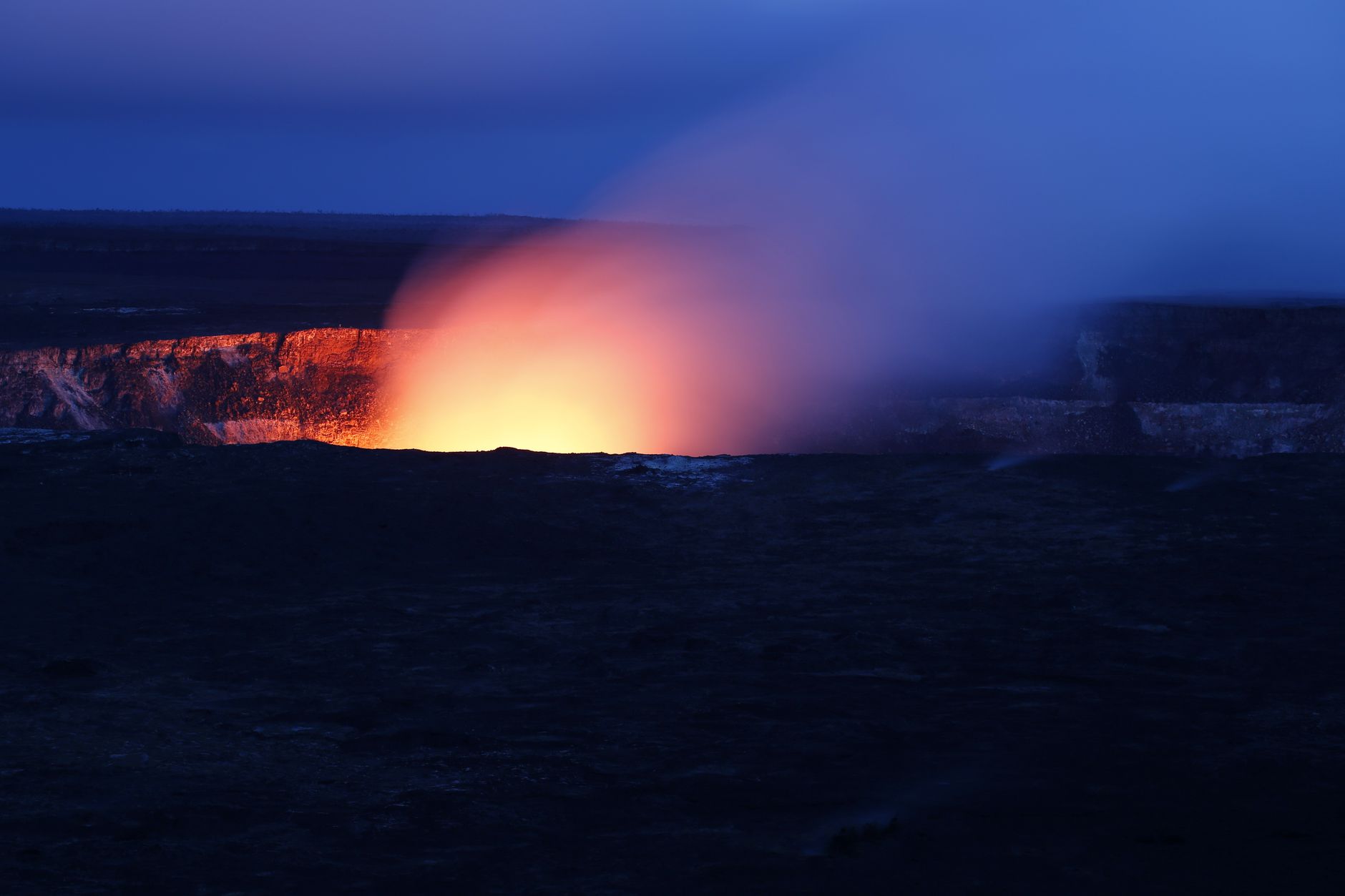
In a week marked by intriguing scientific discoveries and nostalgic space reflections, researchers at Adelaide University have unearthed evidence that could reshape our understanding of Earth's geological past. Their study suggests that water, a seemingly innocuous substance, was a primary driver of volcanic eruptions approximately three billion years ago. This revelation challenges long-held assumptions that magma alone was responsible for such ancient geological transformations.
Dr. Eliza Carter, the lead researcher, explained that the presence of water could have significantly influenced the intensity and frequency of volcanic activity during that era. 'Our findings suggest that water was not merely a passive element but a catalyst for dynamic geological processes,' she noted.
While scientists continue to delve into the implications of this discovery, space enthusiasts have turned their gaze skyward, revisiting the golden age of space exploration. The Apollo 11 mission, a hallmark of human ingenuity, remains a symbol of what humanity can achieve when it looks beyond the confines of Earth. Yesterday, the Astronomy Picture of the Day featured a stunning image of Apollo 11, capturing the spacecraft as it 'caught some sun' during its historic journey. This nostalgic look back serves as a reminder of the boundless curiosity that fuels scientific endeavour.
Impacts on Future Research
The implications of Adelaide University's findings are vast. If water played a pivotal role in ancient volcanic activity, it could alter our understanding of planetary evolution and the conditions necessary for life. Dr. Carter's team is optimistic that further research could illuminate how water and other elements shaped not just Earth, but potentially other celestial bodies as well.
Meanwhile, the enduring fascination with space exploration highlights our innate desire to understand the universe. As we celebrate past achievements like Apollo 11, the scientific community remains poised to tackle new challenges, driven by the same insatiable curiosity that once propelled humans to the moon.


