
Scientists Confront the Unanswered Mysteries of Our Universe
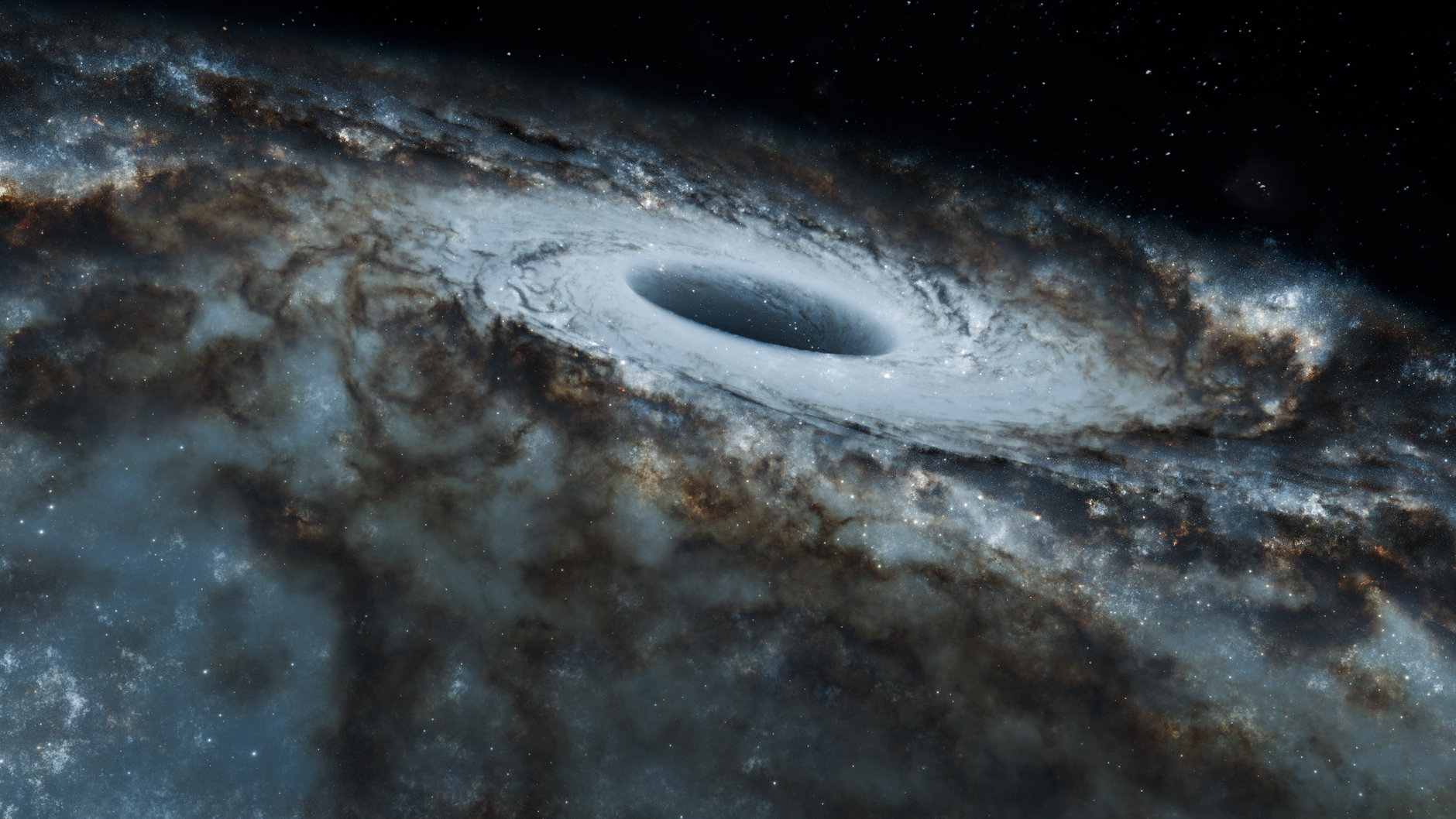
Amidst the relentless march of scientific progress, some questions remain tantalisingly out of reach. In a recent survey that gathered insights from 100 distinguished scientists, a series of provocative questions emerged, challenging the very foundations of our understanding.
Consider the origins of life. Despite decades of research, the precise mechanisms that sparked life on Earth remain elusive. Some scientists speculate that life's building blocks were delivered from space, while others propose that life emerged spontaneously in Earth's primordial soup. The truth, however, remains buried in the mists of time.
The Cosmos and Its Dark Secrets
Then there's the cosmos itself, with its unfathomable mysteries. Dark matter, which comprises much of the universe's mass, remains invisible and poorly understood. Its nature is one of the most significant unsolved puzzles in physics. If we could harness this elusive substance, it might unlock new realms of energy and technology.
Equally perplexing is the question of human consciousness. How does a mass of neurons give rise to thoughts, emotions, and self-awareness? This age-old question straddles the disciplines of biology, psychology, and philosophy, each offering partial glimpses into the enigma but no definitive answers.
Implications for Humanity
These questions are not merely academic exercises; they have profound implications for the future of science and humanity. Understanding the origins of life could inform the search for extraterrestrial life, while solving the mysteries of dark matter might revolutionise our approach to energy. And cracking the code of human consciousness could lead to breakthroughs in artificial intelligence and mental health.
The scientists' responses underscore a crucial point: while science has come a long way, it is far from a finished journey. Each unanswered question is a reminder of the vast expanse of the unknown, urging us on in our quest for knowledge.


