
Scientists Create Hybrid Human-Mouse Brain in Landmark Study
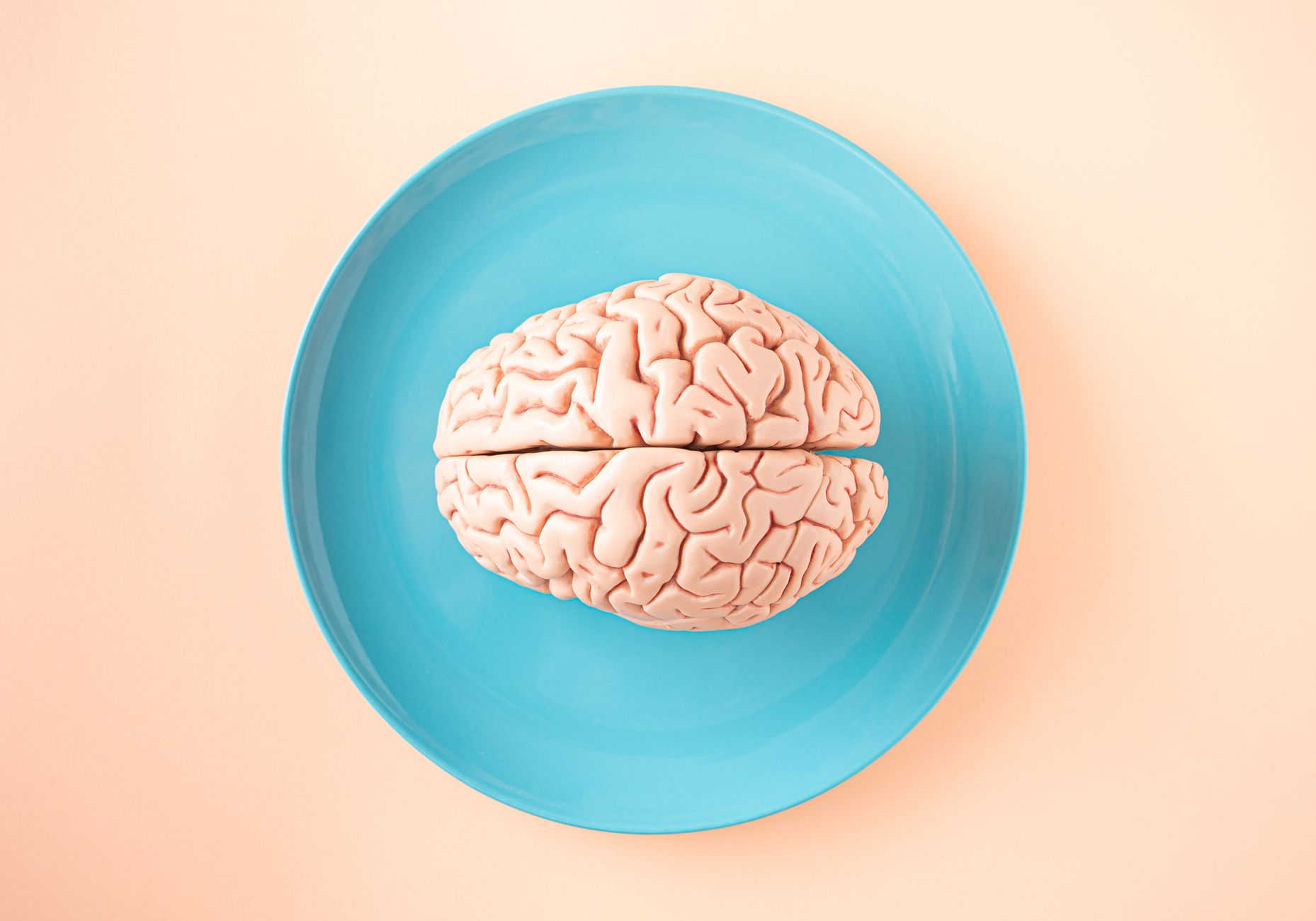
In a remarkable stride for neuroscience, researchers in the United States have merged human brain cells with mice, crafting what could be described as hybrid brains. This pioneering work takes a novel approach by implanting lab-grown human cells into the brains of mice specifically engineered to lack a cerebral cortex.
The absence of the cortex, the brain's outer layer responsible for complex thought processes, provided the necessary space for the human tissue to thrive. The result is a mouse brain that comprises functioning human cells, a development that could revolutionise the study of neurological disorders.
A New Frontier in Brain Research
At the heart of this breakthrough is the potential to better understand the cellular mechanisms of the human brain. By observing how human brain cells operate within a living organism, scientists hope to unlock the mysteries of conditions such as Alzheimer's, schizophrenia, and autism. The integration of human cells has already shown promising results, with nerve fibres extending into the mouse brain.
The brains of these mice, although technically chimeric, present a unique model for studying developmental processes. The human cells, when introduced into the mouse environment, adapt and behave as they would in a human brain, offering a new lens through which to view brain function and dysfunction.
Ethical Considerations
This research, while groundbreaking, is not without its ethical challenges. The creation of part-human organisms raises questions about the moral implications of such experiments. However, scientists argue that the potential benefits in understanding and treating debilitating brain diseases justify the exploration of these uncharted territories.
As we advance further into this scientific frontier, the hope is that these hybrid brains will not only provide insights into the complex workings of the human mind but also lead to innovative treatments that could transform lives.


