
Scientists Stunned by Findings That Question Earth's Origins
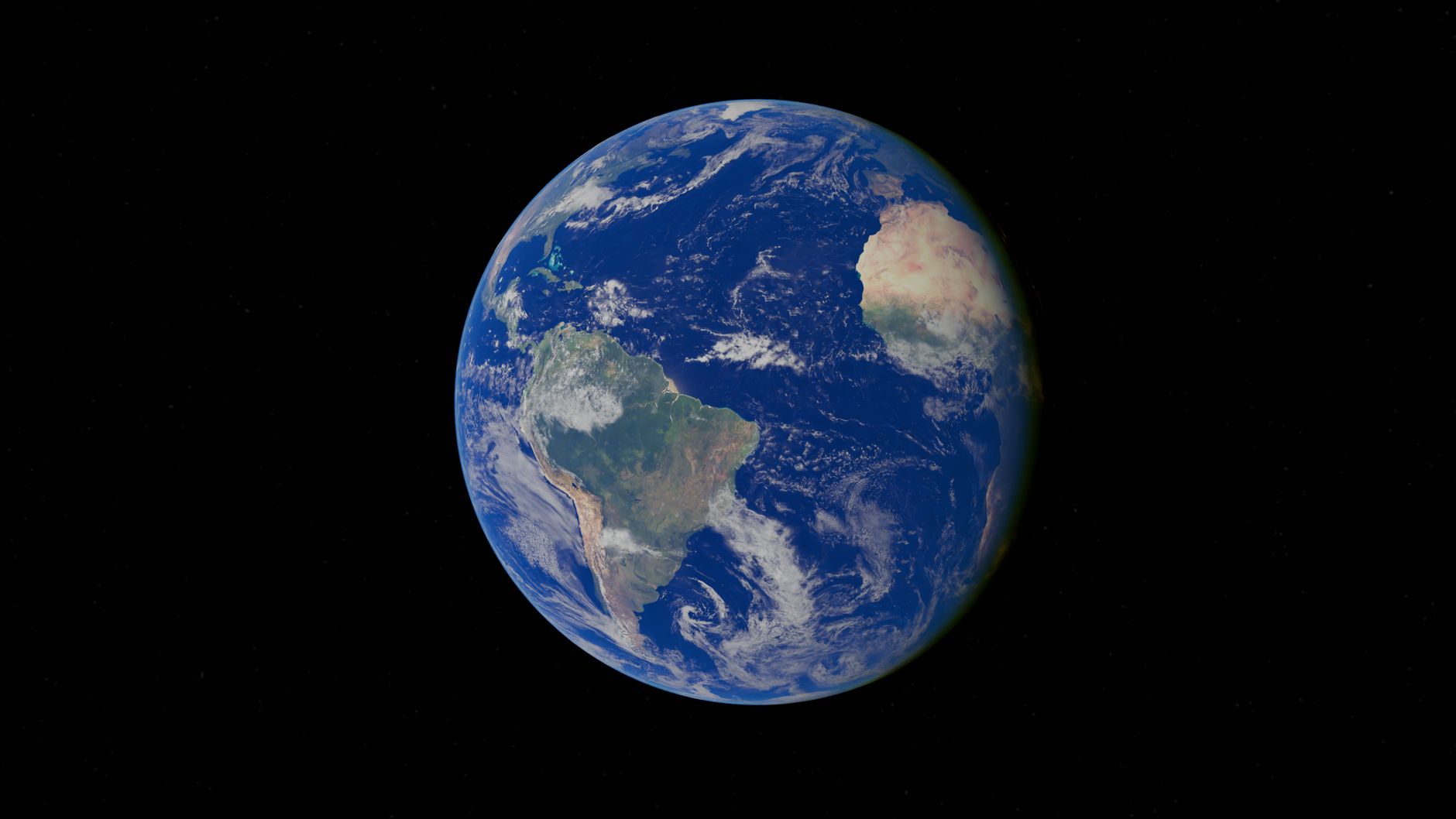
In a discovery that has left the scientific community reeling, researchers from ETH Zurich have unveiled findings that could reshape our understanding of Earth's origins. The team, led by Paolo Sossi and Dan Bower, revealed that the Earth appears to be composed entirely of material from the inner Solar System, a notion that challenges long-held theories about our planet's formation.
For decades, scientists have debated the mysterious origins of the Earth, particularly the source of its water. The prevailing theory suggested that Earth's water might have been delivered by comets and meteorites from the outer Solar System. However, the new data suggests a different narrative. Sossi and Bower's meticulous comparison of isotopic ratios from a wide array of meteorites shows no match with Earth's composition, suggesting a purely inner Solar System origin.
Implications for Planetary Science
This revelation doesn't just throw a spanner in the works of Earthly origin theories; it also raises questions about the formation of other planets. If Earth, with its abundant water and complex life, formed under such circumstances, what might this mean for exoplanetary systems? Could other planets, distant and unknown to us, harbour similar secrets?
The scientific world is abuzz with the possibilities. Researchers are keen to extend these findings to other planetary systems, perhaps offering insights into the potential for life elsewhere in the cosmos. The notion that Earth's water might be a product of processes unique to the inner Solar System invites a reevaluation of planetary formation models.
A New Chapter in Cosmic Understanding
As the implications of this discovery continue to unfold, scientists are reminded of the vastness of our ignorance. The cosmos, it appears, still harbours mysteries that defy our most advanced models. This breakthrough serves as a potent reminder of the ever-evolving nature of scientific inquiry, where each answer often leads to more questions.
For now, the scientific community stands at the dawn of a new chapter in understanding the cosmos. The revelations from ETH Zurich are not just a testament to human curiosity but also a beacon for future explorations into the origins of planets and the life they might cradle.


