Scientists Turn to AI in Bid to Revive the Woolly Mammoth
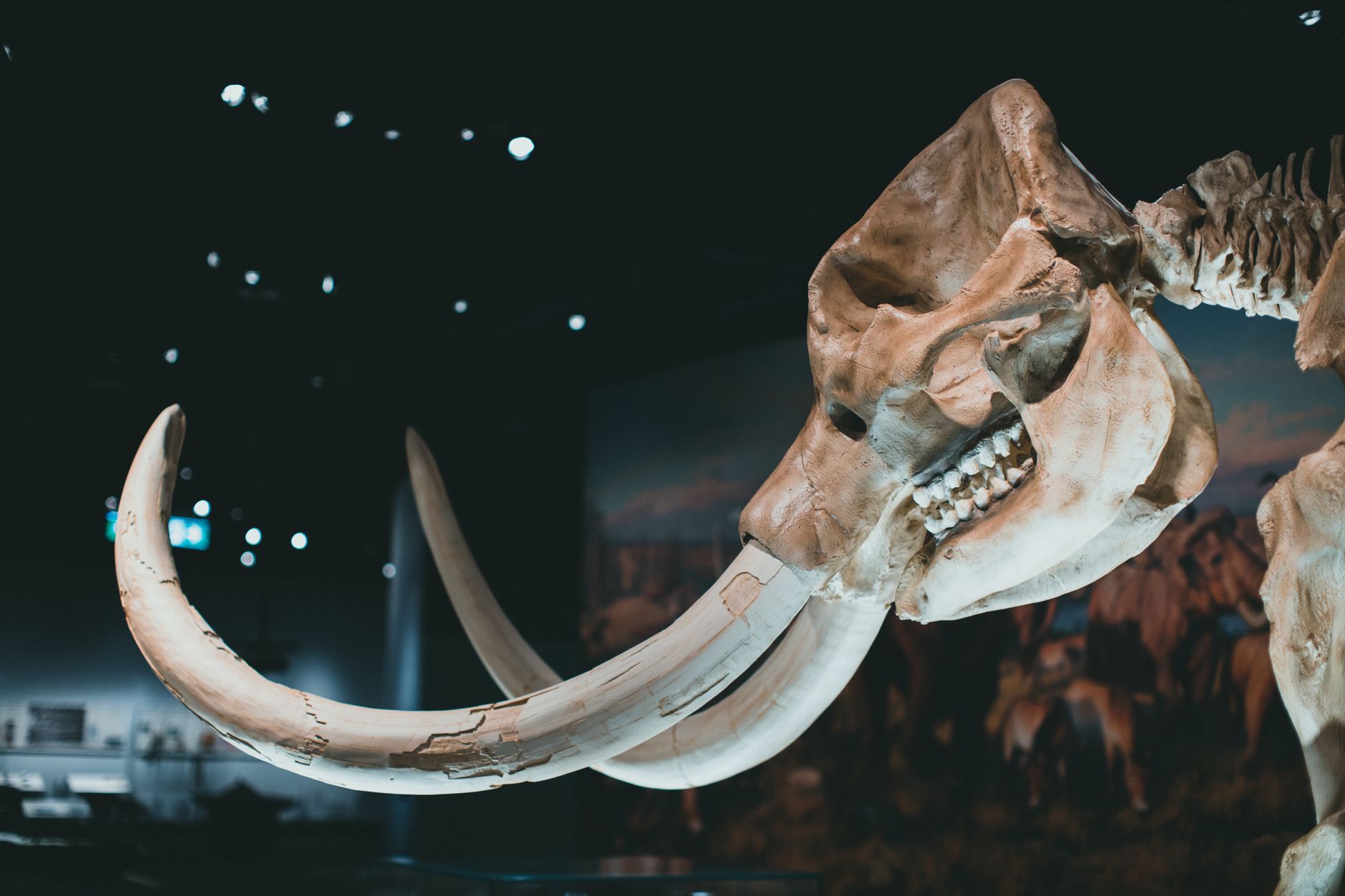
In a bold move that reads like the plot of a science fiction thriller, scientists have set their sights on reviving the woolly mammoth — a creature extinct for millennia. This ambition is spearheaded by Colossal Biosciences, a Texan firm that has announced its plans to use artificial intelligence alongside cutting-edge gene-editing technology to bring this prehistoric giant back to life.
The endeavour is not without its challenges. The process involves modifying the DNA of the Asian elephant, the woolly mammoth's closest living relative, to recreate the mammoth's distinctive traits. The company aims to accomplish this feat by the early 2030s, with AI playing a crucial role in overcoming the complex genetic and reproductive challenges that lie ahead.
The Role of AI in Genetic Resurrection
Artificial intelligence, often touted as a transformative force in various fields, is now being harnessed to tackle the intricate dance of genetics and biology required to resurrect the woolly mammoth. AI algorithms will assist scientists in identifying the specific genetic edits needed to instil mammoth-like characteristics in elephants, such as dense fur and a high fat layer to withstand cold climates. This not only involves understanding the mammoth's genome but also ensuring the modified elephants can thrive and reproduce.
The project has captured the public's imagination, but it also raises significant ethical questions. Is it right to bring back a species that vanished due to natural climatic shifts? Moreover, how will these creatures fit into the modern ecosystem, which has evolved in their absence?
Implications for Conservation and Ecology
Proponents argue that reviving the woolly mammoth could help combat climate change. The theory is that introducing these creatures into the Arctic tundra might help restore degraded ecosystems, potentially reversing the effects of permafrost melting. However, critics caution against unforeseen ecological impacts and stress the need for rigorous ethical considerations.
As the project progresses, it stands at the crossroads of innovation and moral responsibility. Whether the woolly mammoth will once again roam the Earth remains uncertain, but the endeavour undeniably marks a fascinating chapter in the annals of biological science.