
Scientists Uncover Vast Octopus Nursery Off California Coast
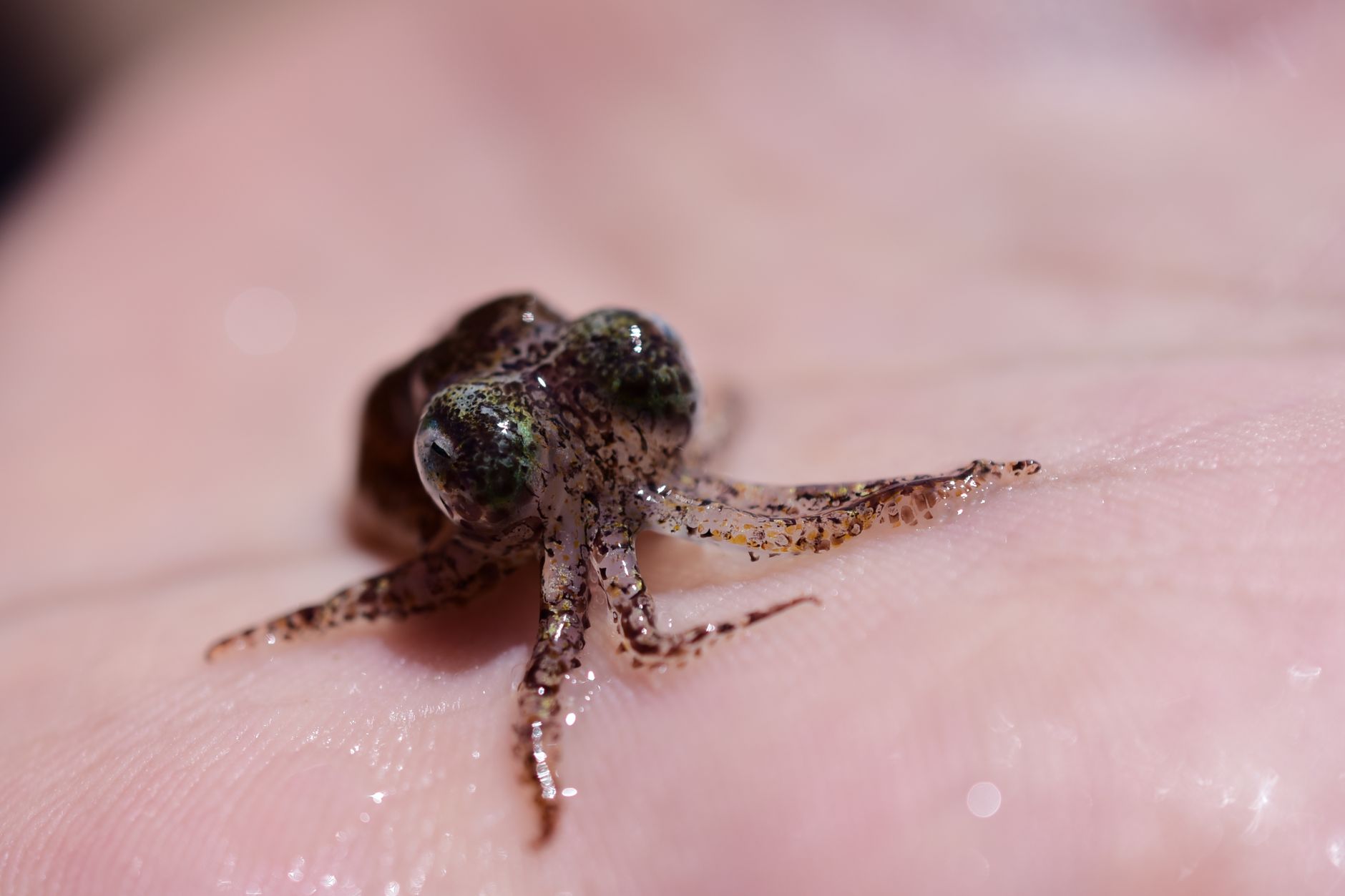
In the shadowy depths of the Pacific Ocean, just off California's Monterey coast, an astonishing discovery has surfaced. Scientists have unearthed what they are calling the largest known “Octopus Garden” on the planet. Nestled at the Davidson Seamount, this underwater city houses an estimated 20,000 pearl octopuses, a spectacle that has left researchers both surprised and intrigued.
The seamount itself is a geological marvel, an ancient underwater volcano whose dormant state belies the life it supports below. Here, two miles beneath the ocean surface, warm water seeps from the seafloor, a boon for the octopuses that have made it their nursery. The thermal springs provide a unique environment where the warmth accelerates the development of octopus eggs, significantly shortening the brooding period. This thermal advantage is believed to enhance the survival odds of the hatchlings, offering them a better start in the competitive marine world.
A Thriving Ecosystem
The discovery, made by the team from the Monterey Bay Aquarium Research Institute, highlights a thriving marine ecosystem that had been hidden in plain sight. For years, the question of why so many octopuses gathered in this particular spot eluded researchers. Now, the answer seems clear: the warm springs of Davidson Seamount create an ideal nursery condition.
Dr Jim Barry, the lead researcher, expressed his amazement at the sheer number of octopuses. “It’s like finding a city you never knew existed,” he remarked. This octopus metropolis, with its thousands of nests, is a testament to nature’s adaptability and resilience.
Implications for Marine Biology
Beyond the immediate spectacle, this discovery has broader implications for our understanding of deep-sea ecosystems. It sheds light on the adaptive behaviours of marine species and the importance of thermal environments in their reproductive strategies. The findings could influence future conservation efforts, particularly as climate change continues to threaten marine habitats.
The “Octopus Garden” at Davidson Seamount is not just a wonder of nature but a vital clue in unraveling the mysteries of ocean life. As scientists continue to explore these depths, who knows what other secrets the ocean might reveal?


