Scientists Unravel Enigma of 'Forbidden' Black Hole Merger, Uncover New Mystery
The universe is no stranger to mysteries, yet the recent revelation concerning the merger of two 'forbidden' black holes has left scientists both enlightened and perplexed. For years, the astronomical community has been stumped by the merging of black holes that, by all accounts, should not have existed. Now, through a meticulous blend of Einstein's theory of relativity and cutting-edge simulations, researchers have finally found a plausible explanation.
At the heart of this cosmic conundrum are powerful magnetic fields. These fields, according to new simulations, might hold the key to forming black holes that defy the known mass limits. As a massive, spinning star collapses, these magnetic forces can eject significant amounts of material, resulting in smaller yet faster-spinning black holes. Such conditions, it appears, may allow black holes to merge even within the so-called 'forbidden' mass gap.
The Role of Magnetic Fields
Magnetic fields, often overlooked in cosmic phenomena, have shown their might in this scenario. The simulations suggest that when these forces act on a collapsing star, they can alter its fate. By ejecting material, they create black holes that not only spin faster but also manage to merge against all odds. This finding aligns perfectly with LIGO's detection of the black holes within the 'forbidden' mass gap, matching the observed masses and spins of the event GW231123.
A New Mystery Unfolds
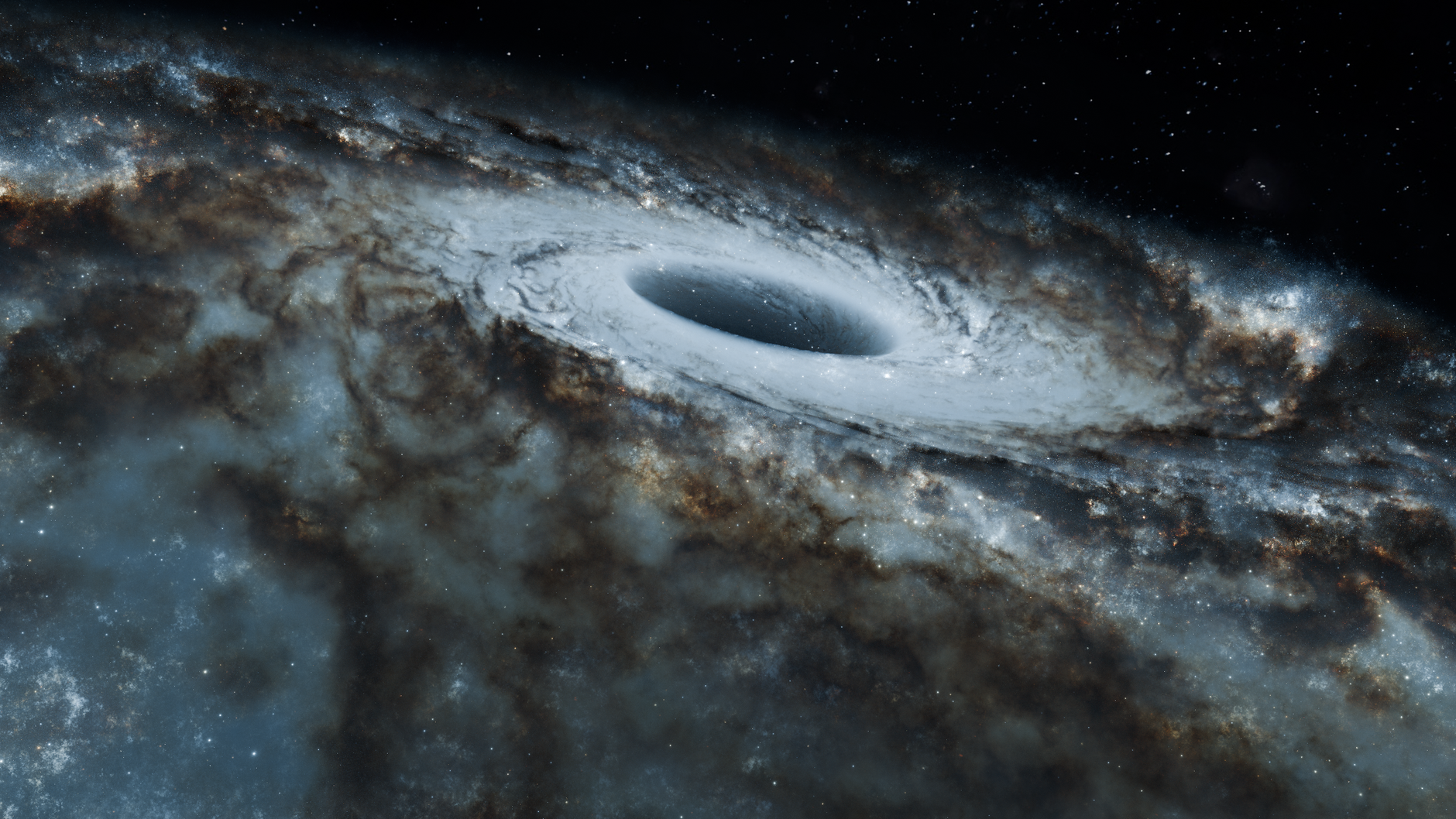
Yet, as one mystery finds its resolution, another emerges. The question now lingers: How do these mergers contribute to the formation of supermassive black holes? The understanding of these colossal entities, which reside at the centres of galaxies, remains incomplete. This revelation challenges existing models, hinting that runaway black hole mergers might be the architects of these cosmic giants.
Indeed, the universe never ceases to surprise. Each discovery unveils a deeper layer of complexity, reminding us of the vast unknowns that lie beyond. As scientists continue to probe the depths of space with ever more sophisticated tools, who knows what other enigmas might soon come to light?