
Scientists Unveil Tool to Quantify Coal Mines' Environmental Toll
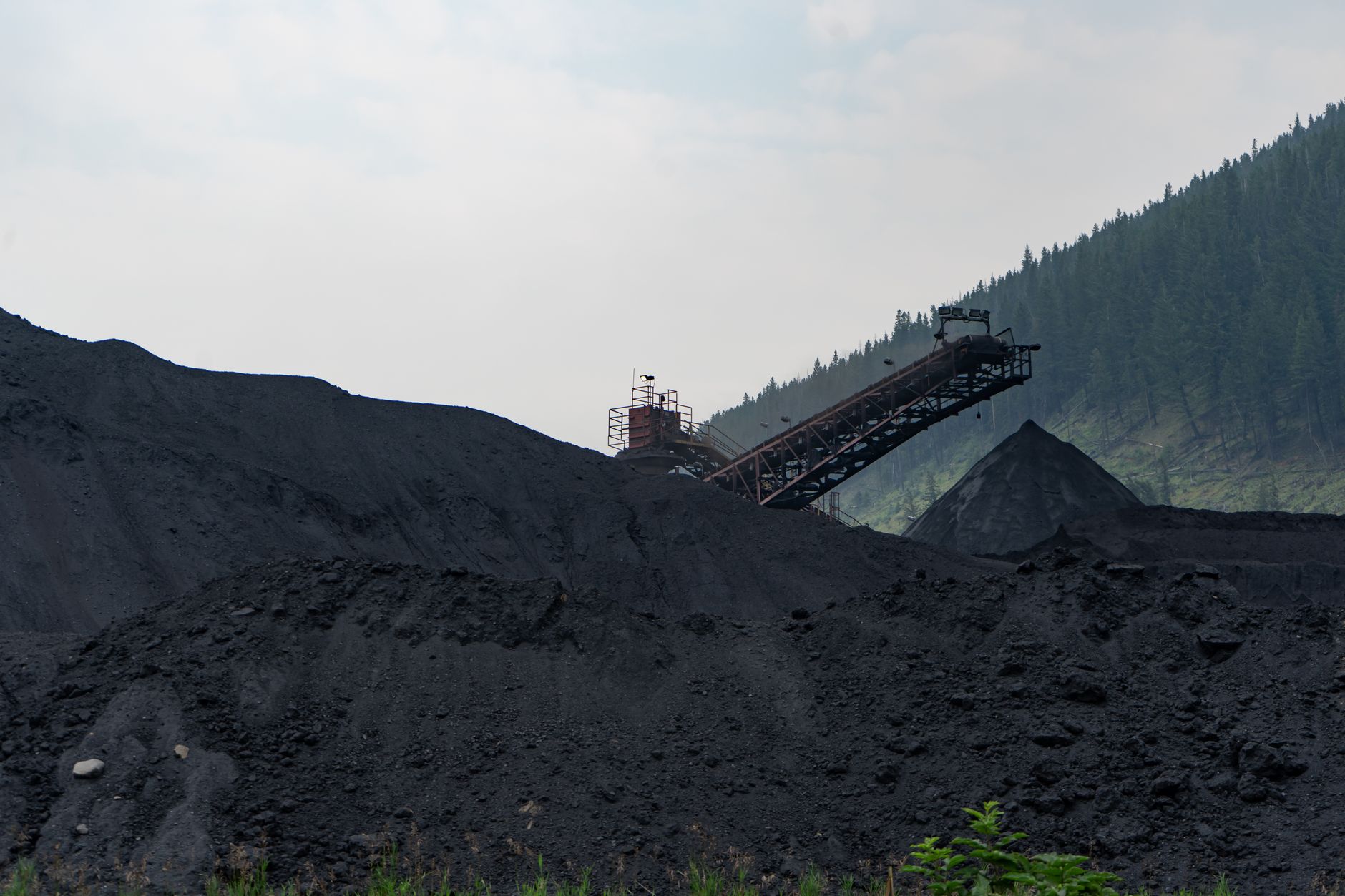
In a development that could reshape accountability in fossil fuel exploitation, scientists have introduced a novel tool to precisely measure the environmental and human damage wrought by each new coal mine. Dubbed the Carbon Impacts Tracer, this open-source tool lays bare the direct consequences of coal projects on climate change, effectively bridging the gap between emissions and their real-world impacts.
A Closer Look at the Carbon Impacts Tracer
The Carbon Impacts Tracer offers an unprecedented level of detail, quantifying the additional warming each project contributes and the subsequent ripple effects across eight distinct areas. These include agricultural damage, biodiversity loss, and increased mortality from heatwaves in Europe—an issue of growing concern in the face of escalating temperatures.
Developed by a consortium of climate scientists, including Sarah Perkins-Kirkpatrick, Claudia Stepin, and others, the tool promises to hold both fossil fuel companies and the governments that green-light these projects to account. It provides a tangible metric by which the global community can gauge the true cost of coal, gas, and oil endeavours.
Implications for Policy and Industry
With climate change increasingly at the forefront of global policy discussions, the ability to pinpoint the specific impacts of individual fossil fuel projects is a significant advancement. This tool could empower environmental advocates and policymakers to make more informed decisions, potentially leading to stricter regulations and a reevaluation of the viability of new coal projects.
For the fossil fuel industry, the implications are profound. The transparency afforded by the Carbon Impacts Tracer could lead to heightened scrutiny and pressure to mitigate environmental damage. It also raises questions about the long-term sustainability of an industry under increasing fire for its role in exacerbating climate change.
As the world grapples with the urgent need to transition to sustainable energy sources, this tool offers a critical lens through which we can assess and, ultimately, curb the environmental and human toll of fossil fuels.


