Scientists Warn of Alarming Global Warming Surge
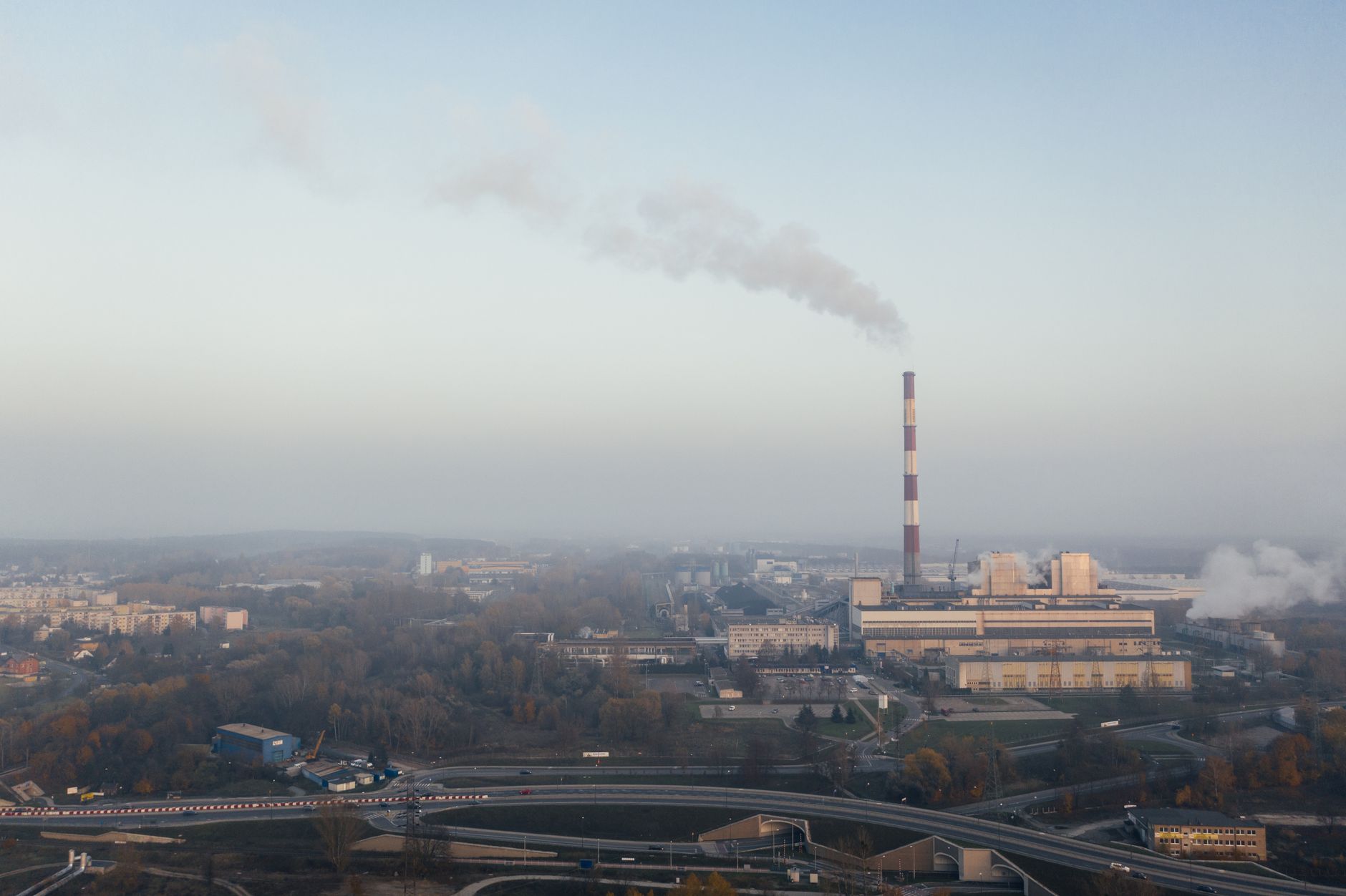
The climate clock is ticking faster than anticipated. Researchers at the Potsdam Institute for Climate Impact Research have detected a significant acceleration in global warming, adding urgency to the already pressing climate crisis. Their findings suggest that the planet's temperature is increasing at a rate not seen in recent history.
This alarming trend has been attributed to a combination of factors. Notably, a decline in atmospheric aerosols, which previously helped cool the Earth by reflecting sunlight, has reduced the planet's natural shielding against heat. Coupled with this is a surge in methane emissions, a potent greenhouse gas, and the recurring impacts of the El Niño weather pattern, known for warming the global climate.
The Science Behind the Surge
The study meticulously adjusted global temperature records to exclude natural influences, enabling researchers to identify a statistically significant rise in warming rates for the first time. According to the lead scientist, this surge has been accelerating since around 2015, contradicting earlier models that underestimated the pace of change.
These revelations come at a time when the international community is grappling with the impacts of climate change, from severe weather events to rising sea levels. The acceleration in warming is not just a scientific curiosity; it carries profound implications for ecosystems, economies, and societies worldwide.
Implications and the Call for Action
The Potsdam Institute's findings highlight the critical need for immediate and decisive climate action. While international agreements like the Paris Accord aim to curb emissions, this new data underscores the necessity for even more ambitious policies and innovations to mitigate the effects of climate change.
In the face of this accelerating crisis, scientists and policymakers alike are urging a swift transition to renewable energy, enhanced conservation efforts, and a global commitment to reducing greenhouse gas emissions. As the window for effective action narrows, the world watches, hoping for a unified response to the mounting challenges posed by climate change.
The study serves as a stark reminder that the decisions made today will shape the climate of tomorrow, urging humanity to act with foresight and resolve.