SCO Leaders Condemn Sanctions on Iran Amid Bishkek Talks
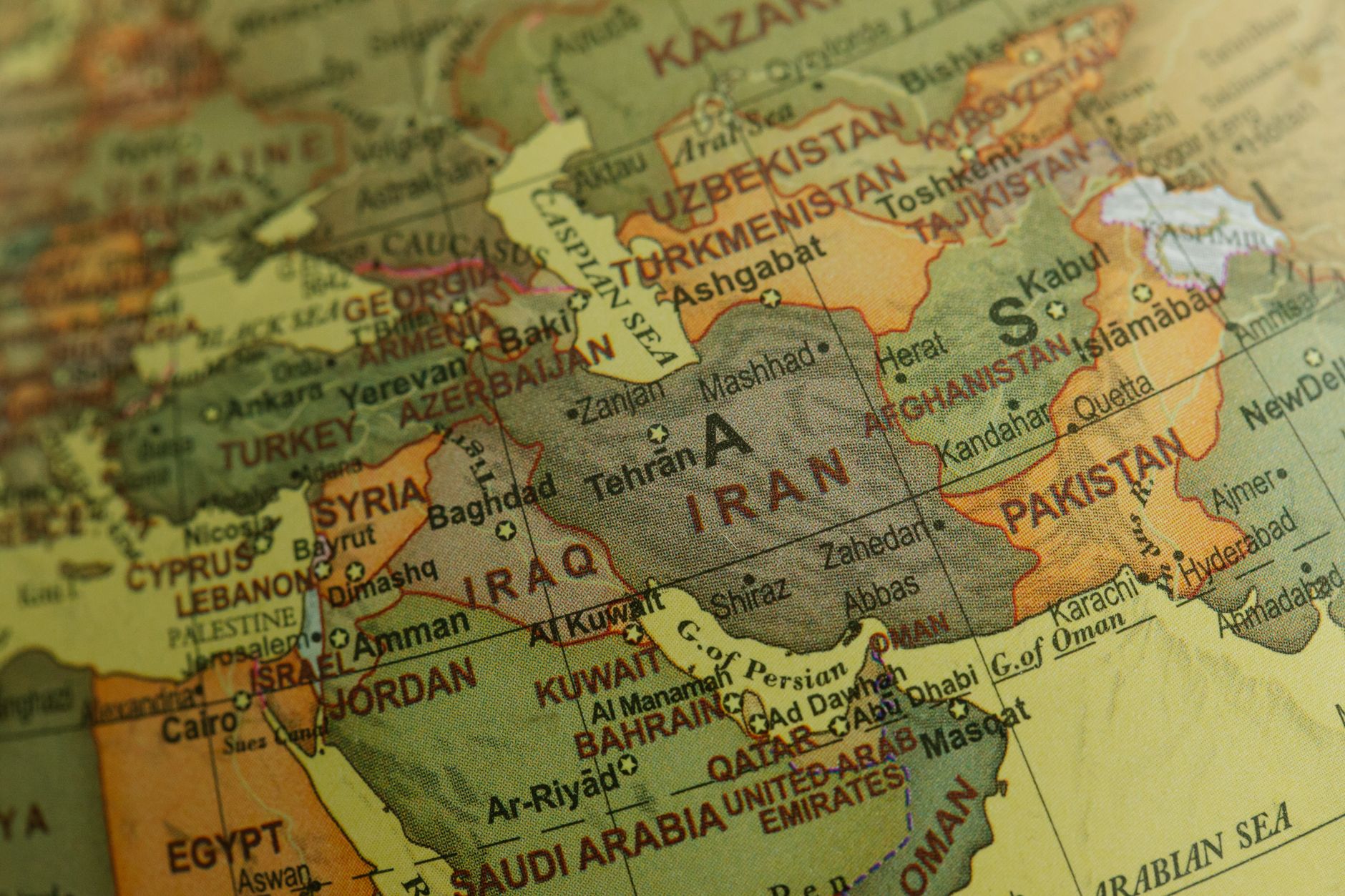
In the heart of Central Asia, beneath the sprawling blue skies of Bishkek, the Shanghai Cooperation Organisation (SCO) summit unfolded with a potent message. Leaders from across Eurasia gathered to address the pressing issue of sanctions and military actions against Iran. The summit, held in the capital of Kyrgyzstan, saw a united front as members condemned what they termed unjust military strikes on Iranian soil.
President Masoud Pezeshkian of Iran, a relatively new member of the SCO since 2023, made a noteworthy appearance. He didn't mince words, emphasising that Iran would respond favourably should the United States recommit to previous agreements. His comments, a reflection of a broader sentiment at the summit, underline Iran's readiness to pivot towards diplomacy if met with reciprocal gestures.
The Geopolitical Chessboard
While the SCO is known for being a formidable security bloc, its reluctance to deploy military might in defence of its members, like Iran, reveals the intricate dance of diplomacy and restraint it must perform. Beijing, a key player, has consistently advocated for dialogue over military intervention, a stance that was reiterated during the discussions in Bishkek.
Prime Minister Narendra Modi was also present, sharing India's perspective on the situation in the Middle East. With a nod to regional peace efforts, he affirmed India's continued support for initiatives aimed at securing lasting tranquillity. Modi's dialogue with Pezeshkian was marked by a mutual understanding of the challenges facing the region.
Beyond the Rhetoric
The summit's resolutions are more than mere words; they are a testament to the shifting alliances and the SCO's growing influence as a counterbalance to Western powers. Yet, the absence of a military guarantee leaves Iran in a precarious position, relying on diplomatic assurances that may not always translate into tangible support.
As the dust settles in Bishkek, the world watches closely. The SCO's stance against sanctions and military actions on Iran could very well shape the geopolitical landscape of the region in the coming years. For now, dialogue remains the preferred weapon in this complex international saga.