Secret Terrorism Trials in Punjab: A Double-Edged Sword?
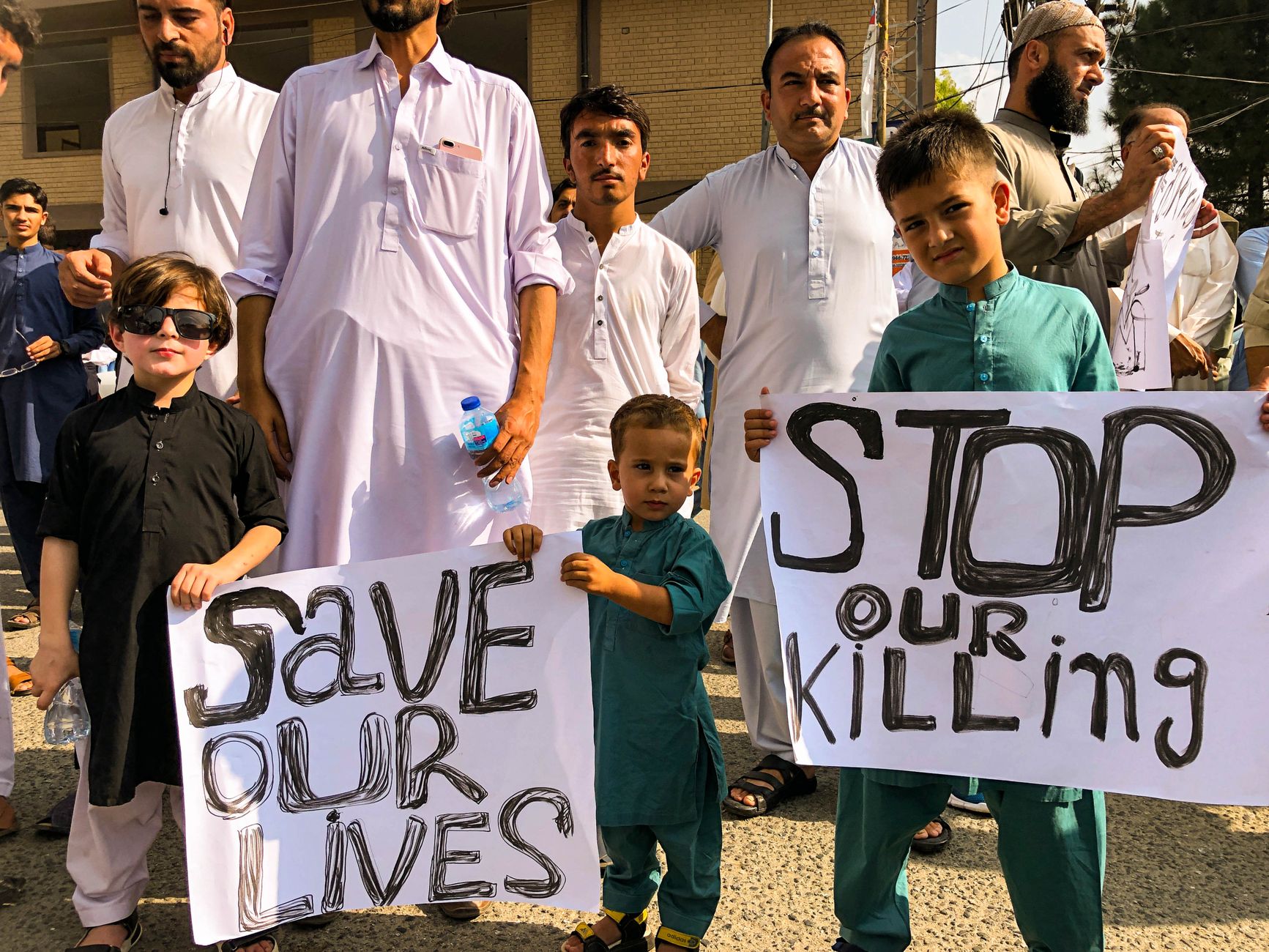
In a move that has sent ripples through Pakistan's political landscape, the Punjab government has enacted a law allowing terrorism trials to be conducted in near-total secrecy. This development has divided opinion, with proponents deeming it a necessary step for the safety of judicial participants, while detractors argue it undermines transparency and fairness.
The legislation, spearheaded by Khalid Mahmood Ranjha, has been positioned as a shield against threats to judges, prosecutors, and witnesses. Ranjha has emphasised that the Chief Justice will nominate trial judges, ensuring judicial independence from executive interference. Yet, critics remain sceptical, voicing concerns that such measures could easily be wielded against political adversaries under the guise of national security.
Criticism has been swift, with human rights advocates and opposition politicians claiming that secret trials breach the fundamental right to a public hearing. The absence of a high-profile terrorism incident in Punjab to justify such drastic measures has only fuelled suspicions. Despite being Pakistan's most populous province, Punjab records a relatively low number of terrorism-related deaths annually.
The Debate Over Transparency
While the government insists that the law is designed to protect those involved in sensitive cases, critics argue that the lack of transparency could lead to miscarriages of justice. The secrecy surrounding proceedings may prevent accountability and oversight, potentially leading to arbitrary detentions.
The timing of the legislation is also questioned, as no specific event has been cited as a catalyst. Some analysts suggest that the law might serve political ends rather than addressing genuine security concerns. Ranjha, however, remains unfazed by what he describes as propaganda intended to politicise the issue.
Implications for the Legal System
The introduction of secret trials raises profound questions about the balance between security and civil liberties. While protecting legal participants is undeniably important, the broader implications for Pakistan's legal system are significant. Should such laws become commonplace, they could set a precedent that might erode public trust in judicial processes.
As Pakistan grapples with these issues, the world watches closely. The challenge lies in ensuring that the fight against terrorism does not come at the cost of fundamental rights and procedural justice.