Shadowy Political Parties: The Secretive World of Unrecognised Entities
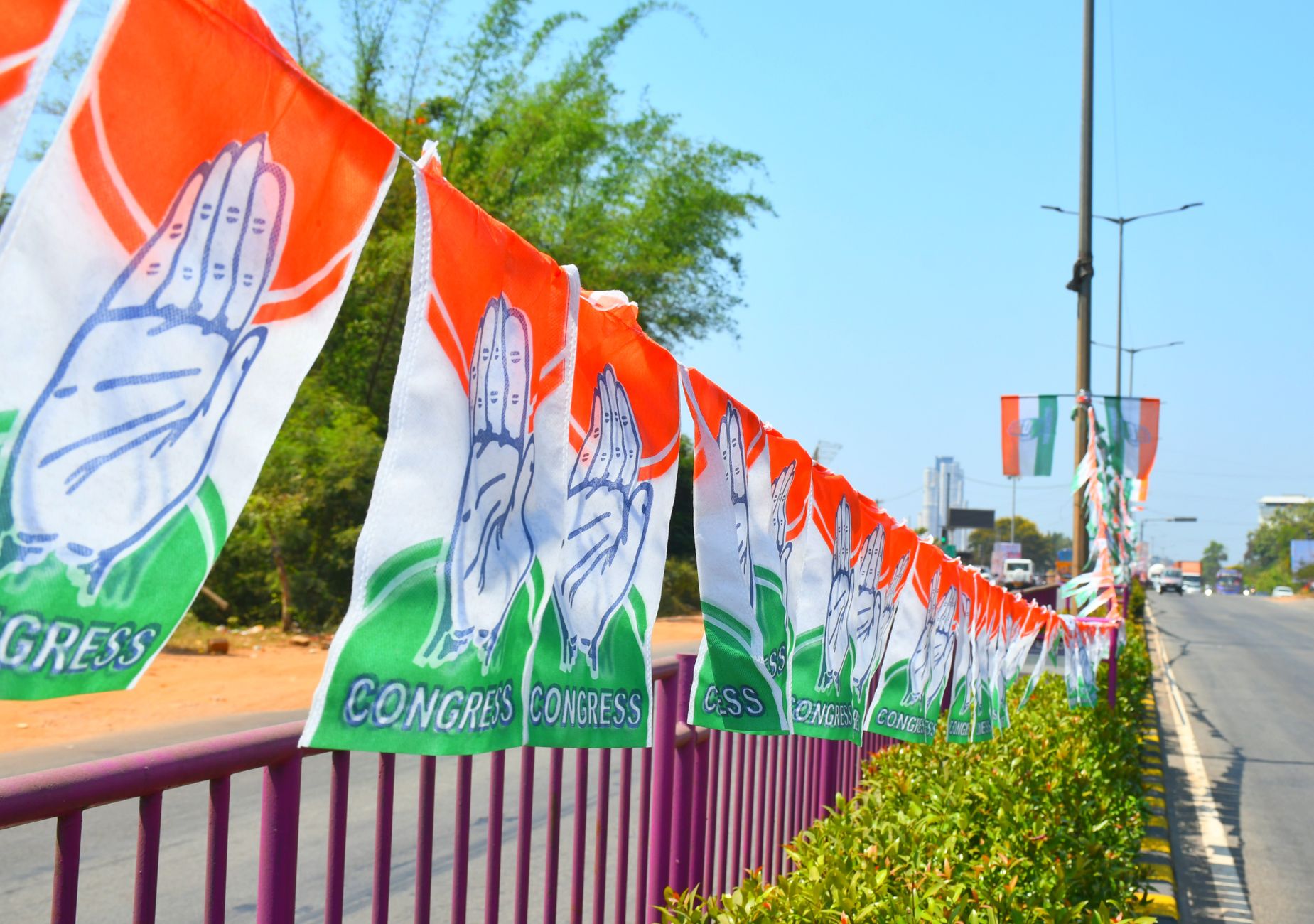
The façade of Indian democracy is being tested by the murky dealings of its shadowy political parties. Hundreds of such unrecognised entities are thriving, not on the strength of public support, but on the baffling flow of donations amounting to hundreds of crores. The irony is stark, as these entities often do not even possess a fixed election symbol, let alone a discernible political agenda.
In Gujarat, a recent investigation by the BBC uncovered a web of intrigue surrounding six fringe parties. Despite receiving enormous financial contributions, their political activities are as invisible as their voter support. Offices are shuttered, party chiefs elusive, and the paper trail of funds as mysterious as the parties themselves. These organisations rarely contest elections, and when they do, it's with negligible impact, raising alarms about the misuse of funds and the potential for financial impropriety.
Election Commission Steps In
The Election Commission of India (ECI) has taken note of this anomaly. In an unprecedented move, it is delisting 345 Registered Unrecognised Political Parties (RUPPs). These parties have consistently failed to contest elections or maintain valid office addresses. The ECI’s action aims to curb the misuse of tax exemptions and reinforce the accountability that is fundamental to a functioning democracy.
Under Section 29A of the Representation of the People Act, 1951, any collective aspiring to be a political party must register with the ECI. This is more than a mere formality; it is supposed to ensure transparency and accountability. Yet, the reality is that these unrecognised parties often slip through the cracks, exploiting loopholes to operate with impunity.
A Call for Greater Scrutiny
While the ECI's efforts are commendable, the broader concern remains: how did such a situation arise in the first place? The existence of these parties points to a deeper malaise within the political financing ecosystem. There is an urgent need for greater scrutiny, not only of unrecognised parties but also of the broader mechanisms that allow such entities to flourish unchecked.
This issue is not merely about financial irregularities; it strikes at the heart of democratic integrity. For a democracy to thrive, its political entities must be accountable to the electorate, not hidden behind a veil of secrecy and subterfuge. As the ECI continues its crackdown, one can only hope it heralds a new era of transparency and trust in Indian politics.