
Shedding Light on Optogenetics: Nobel Prize Breakthrough
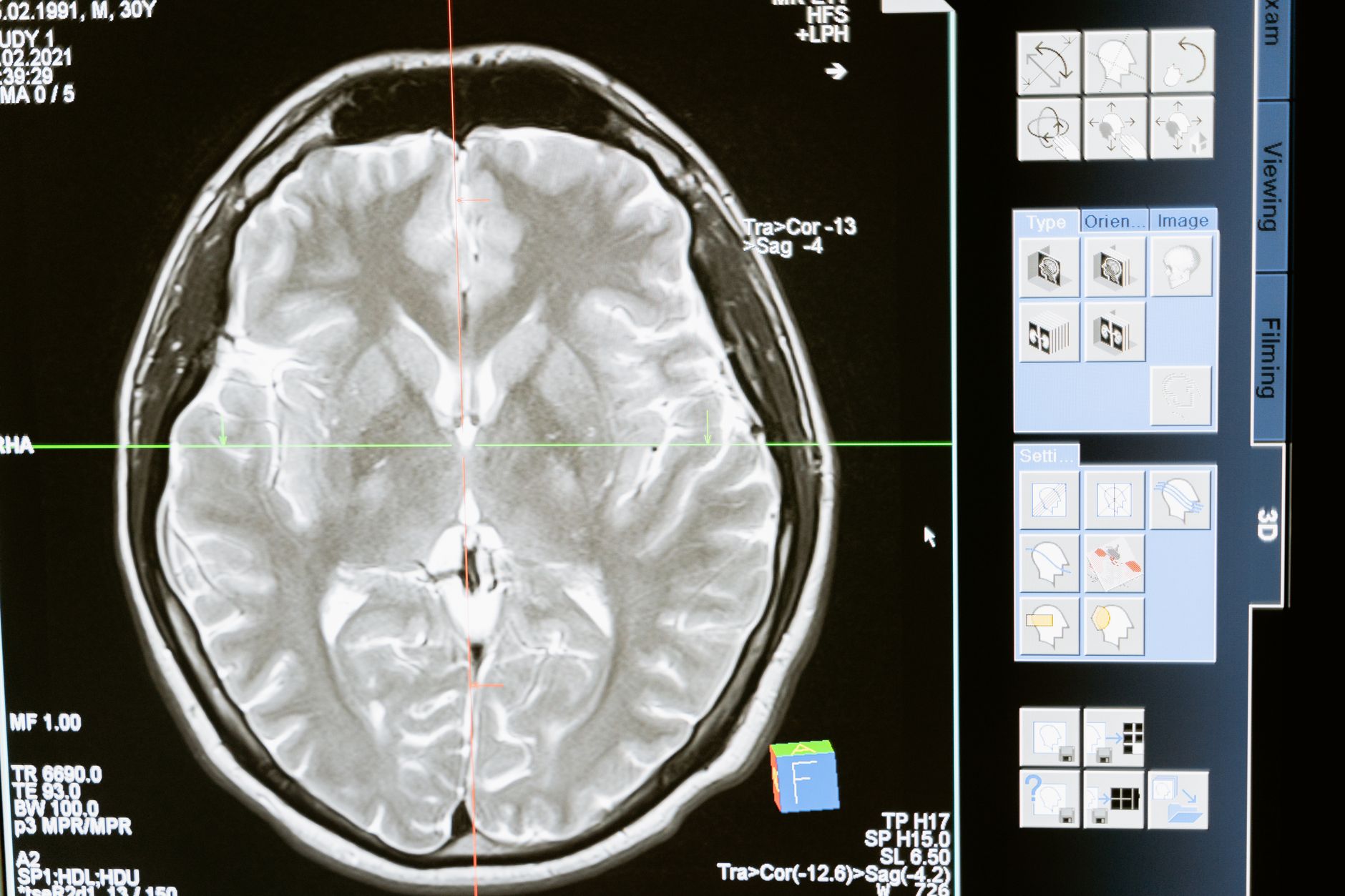
In the intricate theatre of the human brain, a new actor has taken centre stage: light. The 2026 Nobel Prize in Physiology or Medicine has been awarded to three visionary scientists whose work in optogenetics has illuminated the once shadowy world of neuronal circuits. This innovative technique, which involves manipulating neurons using light, could revolutionise our understanding and treatment of neurological conditions such as dementia, depression, and even blindness.
Optogenetics is a blend of optics and genetics, drawing inspiration from the humble algae. These aquatic organisms exhibit phototaxis, a movement in response to light, which scientists have ingeniously harnessed to activate or inhibit specific neurons in the brain. By inserting light-sensitive genes into neurons, researchers can now use flashes of light to control the activity of these nerve cells with remarkable precision.
From Light-Seeking Algae to Nobel-Worthy Discovery
The journey from algae to Nobel Prize began with the discovery of channelrhodopsins, proteins that enable light detection. By embedding these proteins into neurons, researchers can control the firing of these cells as easily as flicking a light switch. This has opened up unprecedented avenues for mapping brain circuits and understanding the neural basis of behaviour and memory.
For instance, by selectively activating neurons involved in memory formation, scientists can observe how memories are constructed and altered. This could lead to breakthroughs in treating memory-related disorders, providing new hope for millions worldwide.
A Bright Future for Neuroscience
The potential applications of optogenetics extend well beyond basic science. In the realm of medicine, this technique holds promise for developing new therapies for conditions that have long eluded effective treatment. By understanding and manipulating the neural circuits involved in depression, for example, researchers hope to design interventions that can restore normal function without the side effects of traditional medications.
Similarly, in the case of visual impairment, optogenetics offers the tantalising possibility of restoring sight by reactivating dormant retinal cells. As these techniques continue to evolve, the line between science fiction and reality blurs ever more compellingly.
As we look to the future, the Nobel Committee's recognition of optogenetics underscores the transformative power of this approach. By unravelling the mysteries of the brain with the precision of light, scientists are not just illuminating the neural underpinnings of behaviour but also paving the way for a new era of personalised medicine.


