Shipping's Unseen Turbulence: More Volatile Than Stocks
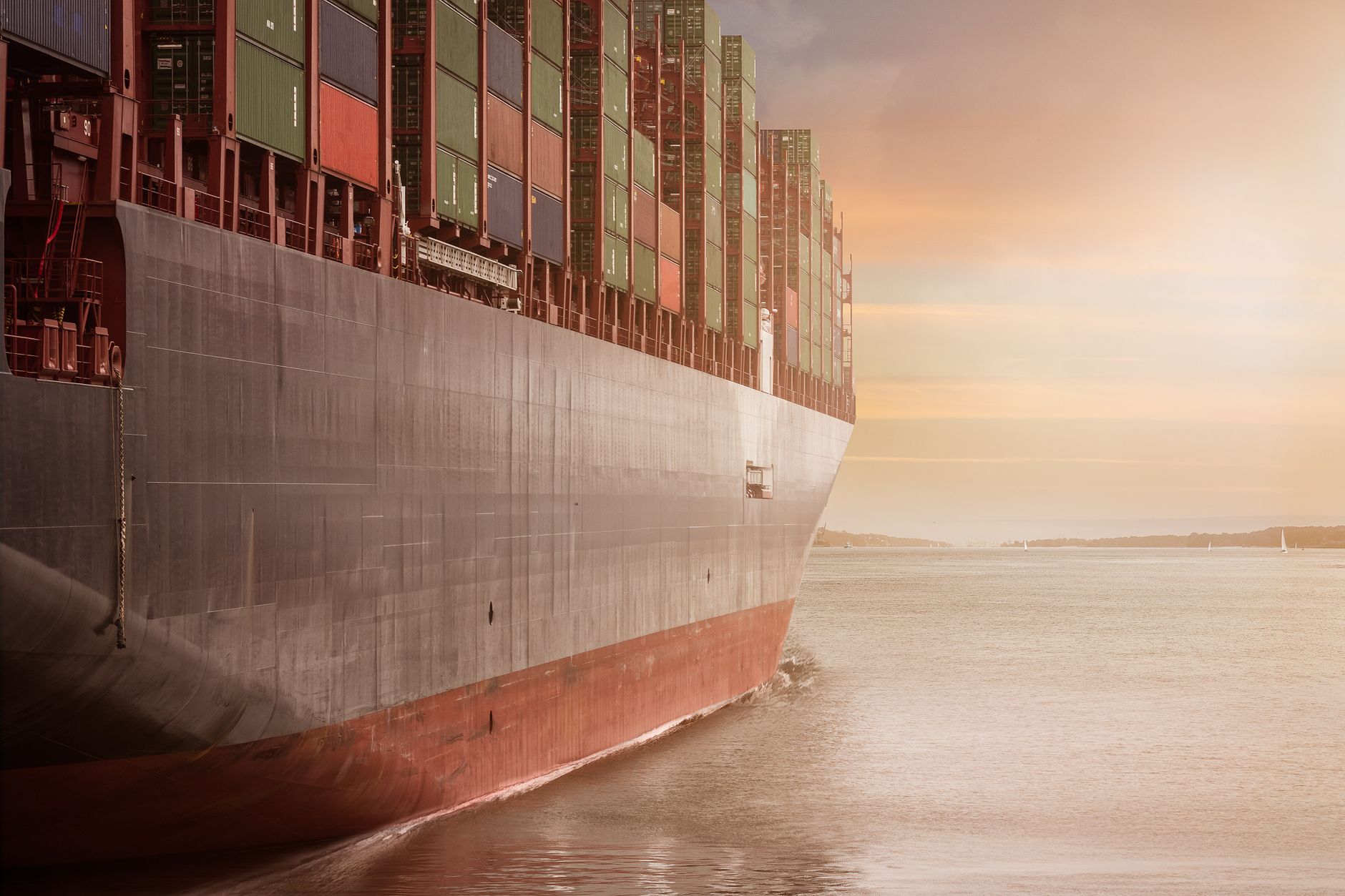
In an era where stock market fluctuations capture headlines, the volatility lurking beneath the surface of global shipping often remains overlooked. Yet, as Myrto Kalouptsidi, a Harvard professor of international economics, points out, the shipping industry, which is responsible for moving 80% of the world’s trade, is subject to fluctuations that make stock market tremors seem almost pedestrian by comparison.
Kalouptsidi highlights that disruptions at critical maritime chokepoints, such as the Suez Canal, the Strait of Hormuz, and the ongoing tensions surrounding Ukraine, can sharply reduce effective fleet capacity. These disruptions lead to erratic freight rates and can cause a ripple effect on goods prices worldwide. The fragility of these routes, which are vital arteries of global commerce, underscores a dependency that is often ignored until a crisis hits.
Such volatility was starkly illustrated by the 2021 blockage of the Suez Canal, which halted billions in trade and sent shockwaves through supply chains. The incident demonstrated how a single point of failure could impact global shipping routes, raising freight costs and, consequently, consumer prices.
Unlike stock markets, which are heavily analysed and predicted, the shipping sector’s volatility is less predictable, driven by geopolitical tensions, environmental challenges, and infrastructural limitations. While stock traders might hedge against risks, shipping companies must navigate through literal and figurative storms.
The Wider Implications
The implications of shipping volatility extend beyond economics. As freight rates soar, the cost of raw materials and finished goods follows suit, impacting everything from the cost of construction materials to consumer electronics. Developing economies, heavily reliant on imports, are disproportionately affected, exacerbating existing inequalities.
Kalouptsidi’s analysis serves as a reminder of the interconnectedness of modern trade and the potential for disruption. As globalisation continues to bind disparate markets, the need for resilient supply chains becomes ever more pressing. Policymakers and industry leaders must consider strategies to mitigate these risks, perhaps by diversifying transit routes or investing in alternative transport infrastructures.
Ultimately, while the stock market remains a barometer of economic sentiment, the shipping industry’s volatility is a humbling testament to the complexity and fragility of global trade. As nations grapple with these challenges, the stakes are high for maintaining the flow of goods that underpin our daily lives.