Silicon Valley Ignores Vatican's AI Concerns
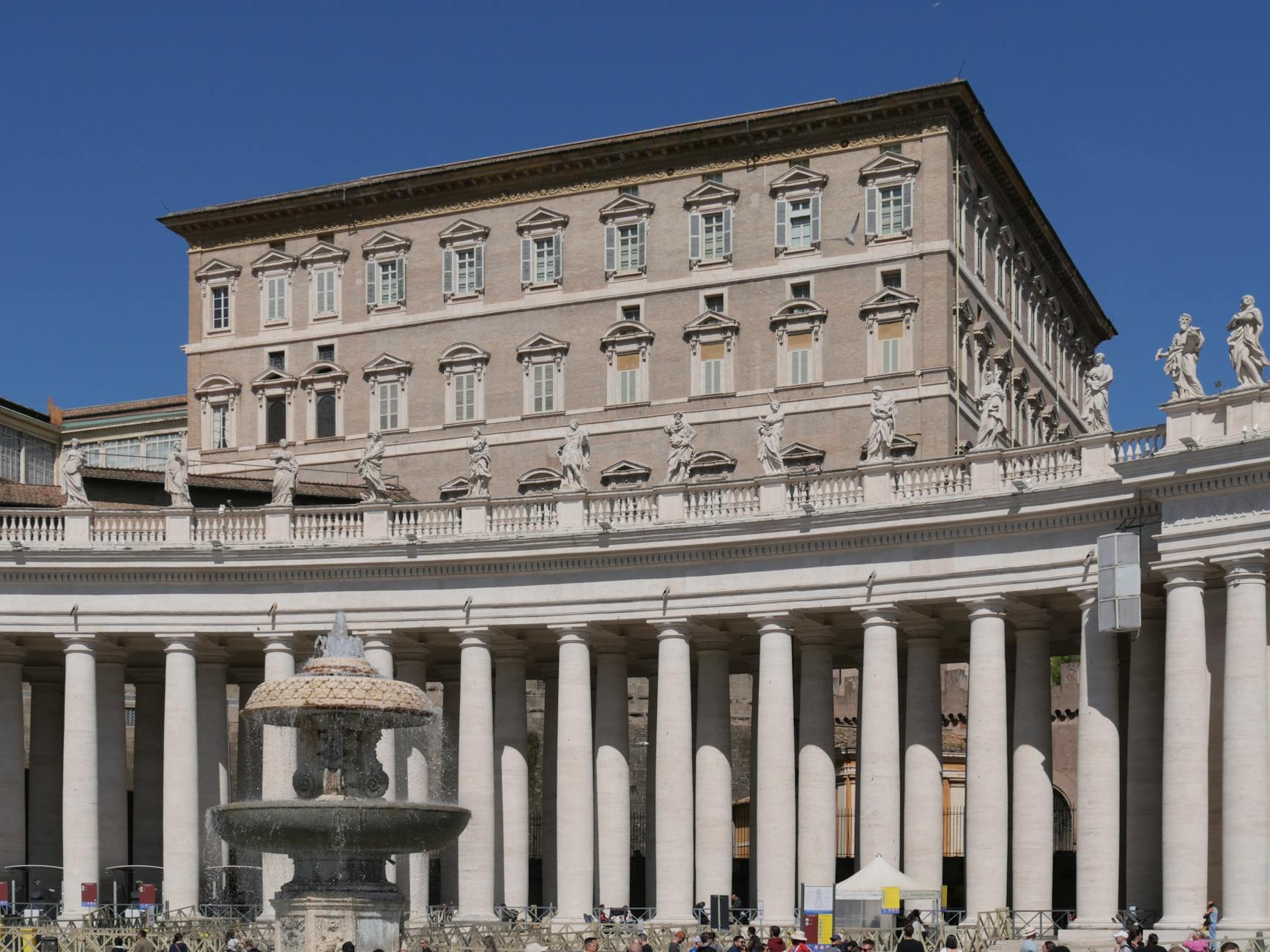
As the sun dipped below the horizon, casting long shadows across the Vatican's cobbled streets, a gathering of minds took place that seemed more like a clash of titans than a meeting of dialogue. Pope Leo XIV, with his characteristic humility, called upon leaders to heed his warnings about the unchecked advances of artificial intelligence. Yet, within the grand halls of the Vatican, the echoes of his words met with a mixture of polite nods and thinly veiled scepticism from some of the world's foremost tech innovators.
Leo XIV's address was not without precedent. The Pope has long been a vocal advocate for ethical considerations in technological progress, frequently reminding the world of the moral imperatives that should guide such innovations. His recent remarks, however, struck a particularly poignant chord, suggesting that AI, if left to its own devices, could become a tool of 'domination, exclusion and death'. Such words, however, seemed to fall on deaf ears among the technologists present.
Jeremy Nixon, a prominent figure in the AI community, was among those attending. He seemed unfazed by the Pope's cautionary tone. "While I respect the Pope's concerns, I believe AI will democratise power rather than concentrate it," he remarked with a hint of incredulity. Nixon's views were echoed by Pedro Domingos, another leading AI researcher, who argued that AI's potential to spread power is akin to the way the internet has broadened access to information.
Despite the apparent disconnect, the Pope's efforts to engage with the tech industry are not without merit. By inviting figures like Christopher Olah, co-founder of a notable AI company, Leo XIV aims to foster a dialogue between seemingly disparate worlds. Yet, whether this dialogue can bridge the ideological chasm remains an open question.
In Silicon Valley, the pursuit of technology often borders on the spiritual. Many technologists view their work as a form of transcendence, a way to push the boundaries of human capability. This starkly contrasts with the Vatican's more cautious approach, rooted in centuries of theological reflection and moral philosophy.
Ultimately, the meeting at the Vatican underscores a broader debate about the future of AI. While some see it as a panacea for society's ills, others, like Pope Leo XIV, caution against placing too much faith in a technology that is still in its infancy. As these worlds continue to collide, the question remains: can technology and spirituality find common ground, or are they destined to remain at odds?