Singapore's Air Quality Reaches Hazardous Levels Amidst Regional Haze
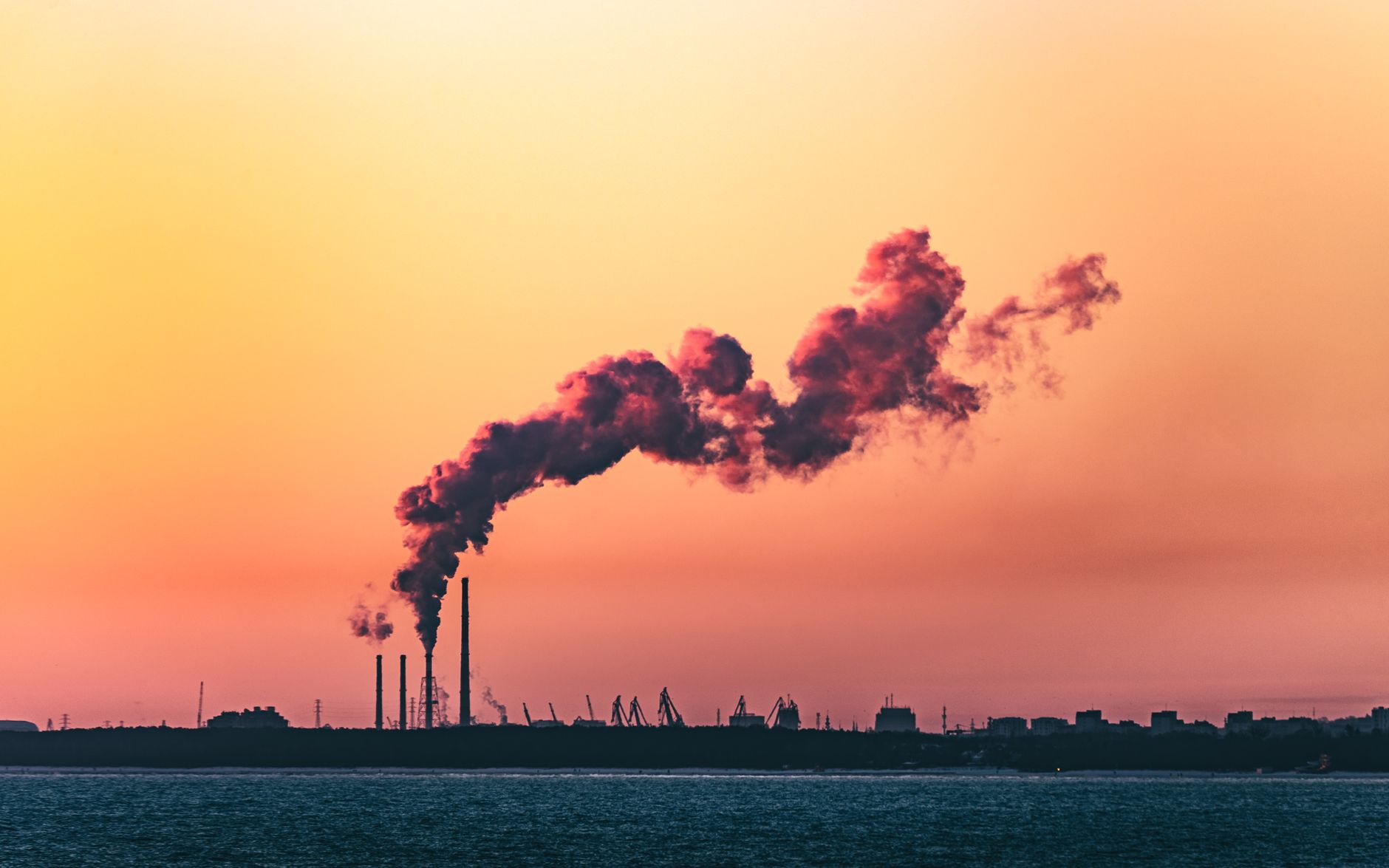
In a city renowned for its stringent environmental standards and pristine urban spaces, Singapore's air quality has taken a dramatic nosedive. The Pollution Standard Index (PSI), a barometer for measuring air quality, has reached a hazardous level, soaring to heights previously uncharted this year. The PSI touched 170 in the central region, an alarming figure for a nation accustomed to cleaner air.
The principal culprit behind this decline is the persistent haze emanating from neighbouring Sumatra. Every year, fires set to clear land for agriculture in Indonesia envelop the region, causing air quality to plummet across Southeast Asia. This year's haze is particularly severe, with smoke from peat and forest fires contributing to the perilous conditions.
Health Concerns and Precautions
The very high PSI levels have prompted health advisories urging Singaporeans to minimise outdoor activities, especially for sensitive groups such as the elderly, children, and those with respiratory conditions. The Ministry of Health has reiterated the importance of taking precautionary measures, including wearing masks and using air purifiers indoors.
While the PSI index is a familiar tool for Singaporeans, its spike is a stark reminder of the broader environmental challenges facing the region. The haze not only affects visibility but also poses substantial health risks. Particulate matter, especially PM2.5, can penetrate deep into the lungs, exacerbating pre-existing health issues and potentially leading to long-term health implications.
Regional Cooperation and Solutions
The recurring haze crisis underscores the need for regional cooperation. ASEAN nations have long discussed transboundary pollution as a shared concern, yet tangible solutions remain elusive. Singapore continues to engage with its neighbours, promoting sustainable practices and offering technological assistance to mitigate the fires at their source.
As Singaporeans endure yet another bout of haze, the episode serves as a potent call to action for both local and international stakeholders. The environment knows no borders, and collective efforts are paramount to safeguard the health of millions across the region.