Singapore's Smog Crisis: The Cost of Neighbourly Fires
Singapore's skyline, typically a testament to human achievement, now sits shrouded in an ominous haze. The city, renowned for its affluence and meticulous urban planning, is currently battling what can only be described as an environmental nightmare. A thick, toxic smog has descended upon the island, earning it the unwelcome title of the world's most polluted city.
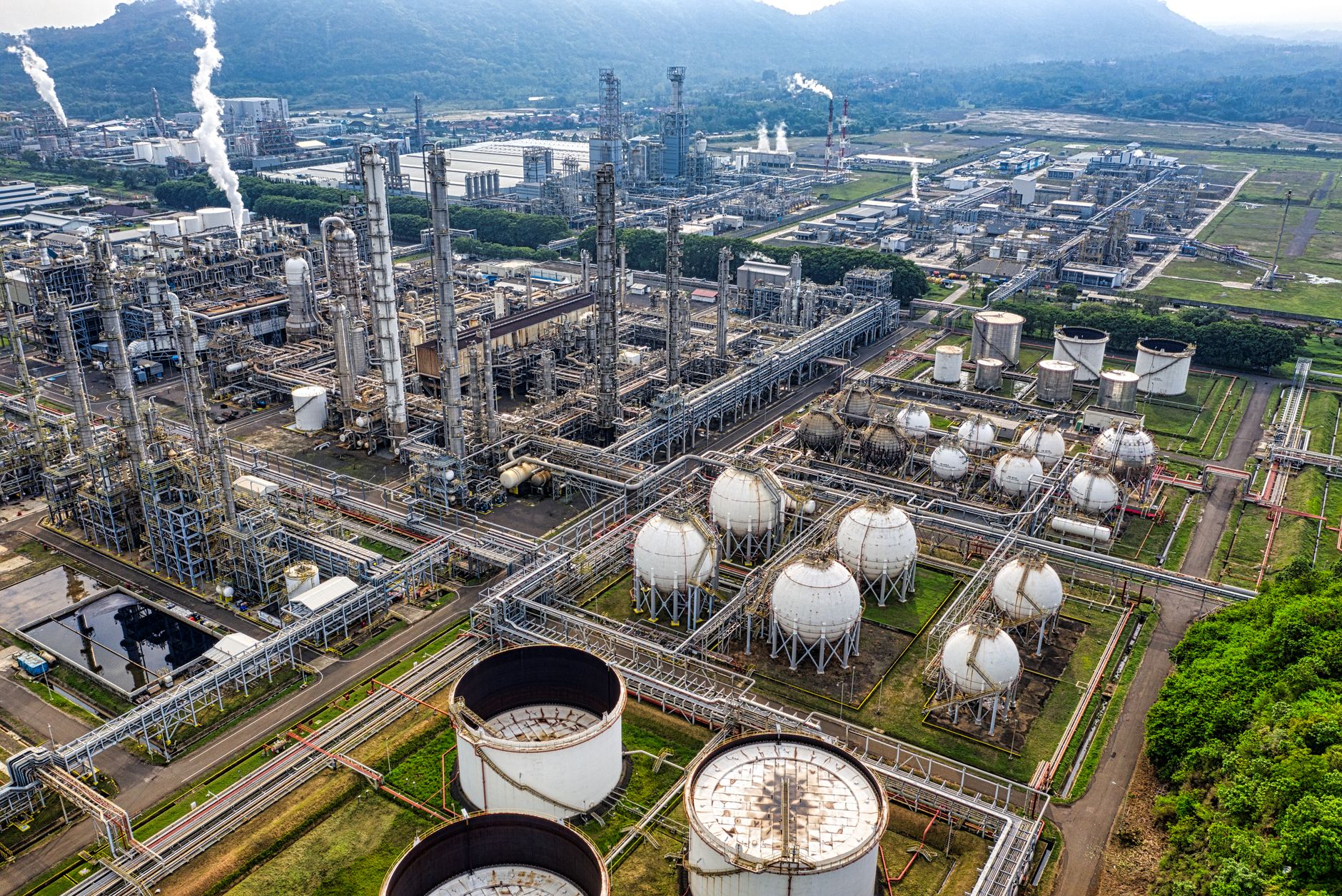
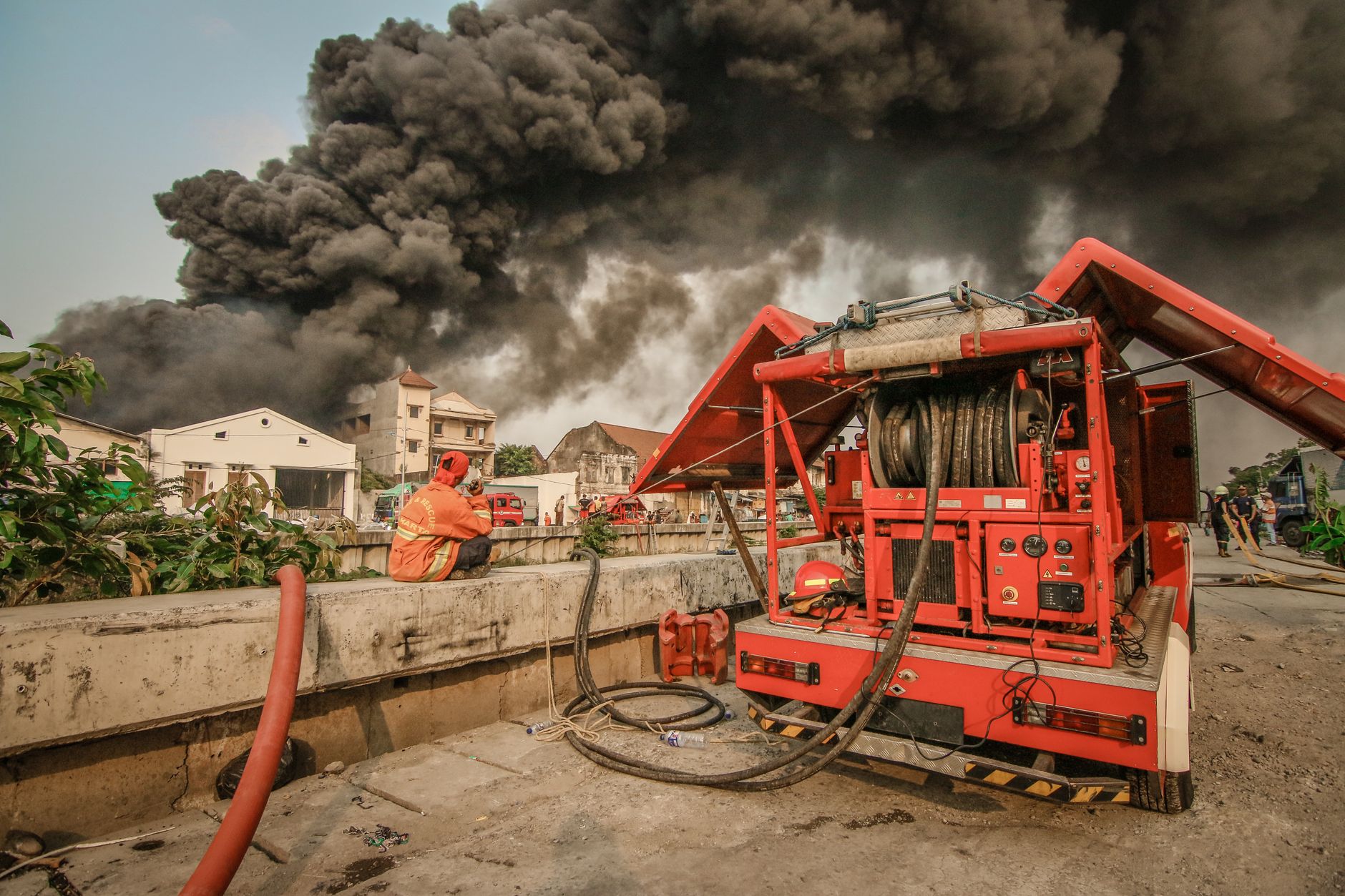
The culprit behind this alarming transformation is not within Singapore's borders. Instead, it lies across the Strait of Malacca, in Indonesia. Each year, during the dry season, fires are deliberately set in Indonesia to clear land for agriculture. This practice, while economically beneficial to some, has dire consequences for the environment and neighbouring regions. The smoke from these fires drifts across the sea, blanketing Singapore in a murky cloud of pollutants.
The Health and Economic Toll
The impact on Singapore's residents is profound. Air quality indices have soared to hazardous levels, prompting health advisories and disrupting daily life. Schools have shut their doors, outdoor activities have been curtailed, and the healthcare system braces itself for an influx of pollution-related ailments.
Economically, the smog spells trouble too. Singapore, a hub of global commerce, faces disruptions in trade and tourism. Flights are delayed, and businesses report a slowdown as the thick smog engulfs the city.
Regional Implications and the Path Forward
This crisis underscores a larger issue: the environmental interdependence of Southeast Asia. Singapore's predicament is a stark reminder that air pollution knows no borders. The fires in Indonesia highlight the need for regional cooperation and sustainable practices to mitigate such transboundary pollution.
Efforts are underway to address the situation. Both Singaporean and Indonesian authorities are in dialogue, but solutions require commitment and change at multiple levels. While Singapore can implement policies to combat the immediate effects, the root cause demands cooperation with its neighbour.
As the smog persists, Singapore's resilience is put to the test. The city-state, known for its innovation and efficiency, must navigate this environmental crisis with the same determination that has defined its economic success.