Somali President Firmly Rejects Israeli Presence Amidst Regional Tensions
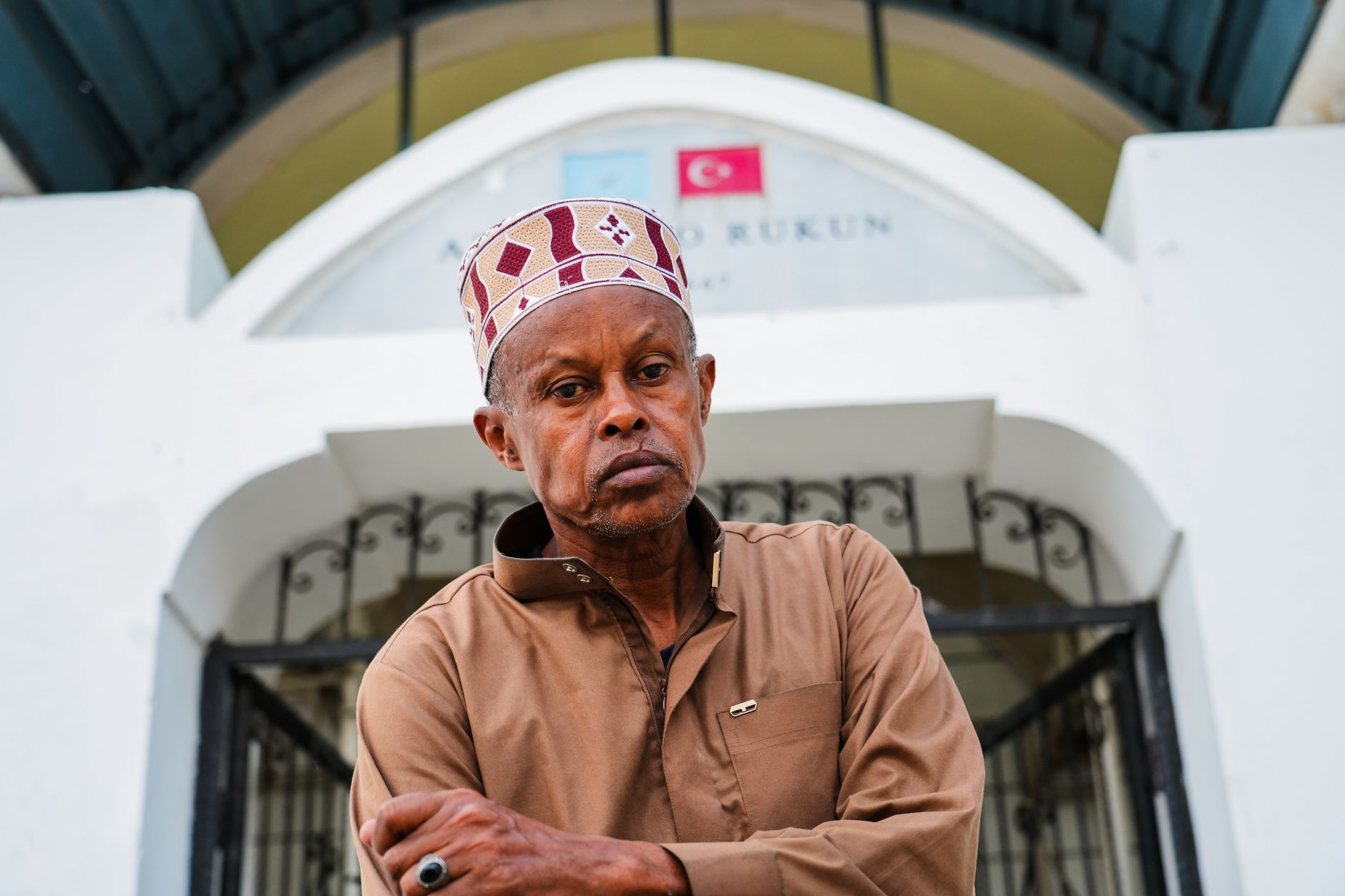
In a world where diplomatic allegiances can pivot rapidly, Somali President Hassan Sheikh Mohamud's latest declaration comes as a bold assertion of national policy. Speaking to Al Jazeera, President Mohamud made it unequivocally clear that Somalia would not permit any form of Israeli presence within its borders, come what may.
The president's statement arrives at a time of escalating tensions in the Middle East, where geopolitical dynamics often spill over into neighbouring regions. However, Somalia appears determined to keep such crises at bay, staunchly refusing to be drawn into the fray.
Maintaining Sovereignty
President Mohamud's remarks underscore a broader strategy of maintaining sovereignty and stability in a region all too familiar with turmoil. His reference to resisting efforts to establish an Israeli naval base in Berbera, a strategic port city on the Gulf of Aden, highlights Somalia's vigilance in preserving its territorial integrity.
Though Somalia's political landscape is complex and often fraught, its leadership remains steadfast in safeguarding national interests. This latest pronouncement is a reminder of the Somali government's cautious approach to foreign involvement, particularly in the context of Middle Eastern affairs.
Historical Context
Somalia's diplomatic posture towards Israel has been historically cautious. Given the country's internal challenges and its geopolitical position, the government has often prioritised regional alliances over distant diplomatic engagements. The president's statement thus reaffirms a longstanding policy rather than marking a shift.
As the Middle East continues to grapple with its myriad conflicts, nations like Somalia find themselves at a crossroads, balancing regional pressures with national priorities. By taking a clear stance, President Mohamud aims to insulate Somalia from external crises while focusing on domestic stability.
In this era of shifting alliances, Somalia's resolute position serves as a reminder of the delicate balance smaller nations must maintain amidst global and regional power plays.