Sonam Wangchuk and the CJP: Politics of Paranoia Unravelled
Sonam Wangchuk, a name once synonymous with innovation in the icy reaches of Ladakh, now finds himself at the heart of a political maelstrom. His latest venture, however, is not in education or environmentalism, but in the murky waters of Indian politics, courtesy of the Cockroach Janata Party (CJP).
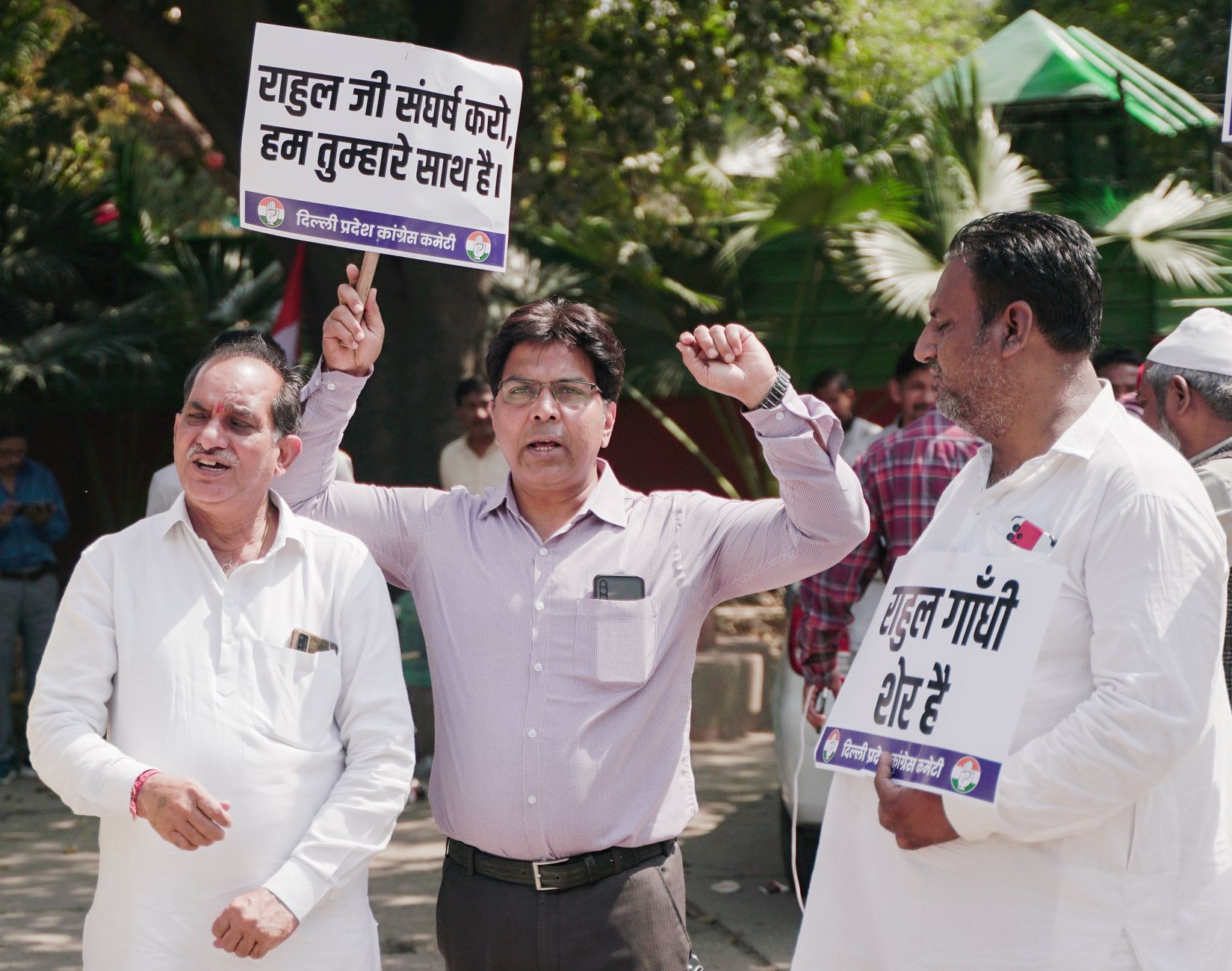
The CJP, a youth-driven political movement, emerged in reaction to alleged leaks and irregularities in India's highly competitive college entrance examinations. Their demands are as audacious as they are clear: accountability from the Union Education Minister and systemic reforms to ensure fairness in exams. At the forefront of this charge is Wangchuk, currently on a hunger strike at the iconic Jantar Mantar.
The Paranoia Paradigm
In the high-stakes game of Indian politics, paranoia seems to be the newest currency. Wangchuk himself has been labelled a Chinese sympathiser by some and a government puppet by others. Such labels, while contradictory, serve a singular purpose: to delegitimise and distract. The CJP’s rise and Wangchuk’s involvement have been met with scepticism, not least because they challenge entrenched narratives and question powerful institutions.
What makes this political theatre particularly captivating is its absurdity. How can Wangchuk be both a stooge of the state and its critic? This duality reflects a deeper issue within India's political discourse: a reluctance to engage with substantive issues, opting instead for character assassination and hyperbole.
Student Voices and Realities
For the students rallying behind the CJP, the stakes are decidedly real. The NEET exam paper leak scandal, which sparked the movement, is not merely an academic matter but a question of integrity and future prospects. For them, Wangchuk represents a beacon of credibility, a seasoned activist lending his voice to their fledgling cause.
As Wangchuk’s hunger strike enters its third week, the pressure on authorities grows. Yet, the response remains tepid, with official denials and promises of investigation. Meanwhile, the CJP continues to galvanise support, both online and offline, illustrating the power of grassroots mobilisation in the digital age.
The saga of Sonam Wangchuk and the CJP is a testament to the fragility of truth in contemporary politics. It underscores a larger narrative where paranoia is weaponised, and genuine grievances are often lost in the din of accusations and counter-accusations.