Sonam Wangchuk Champions Environmental Justice in Pune
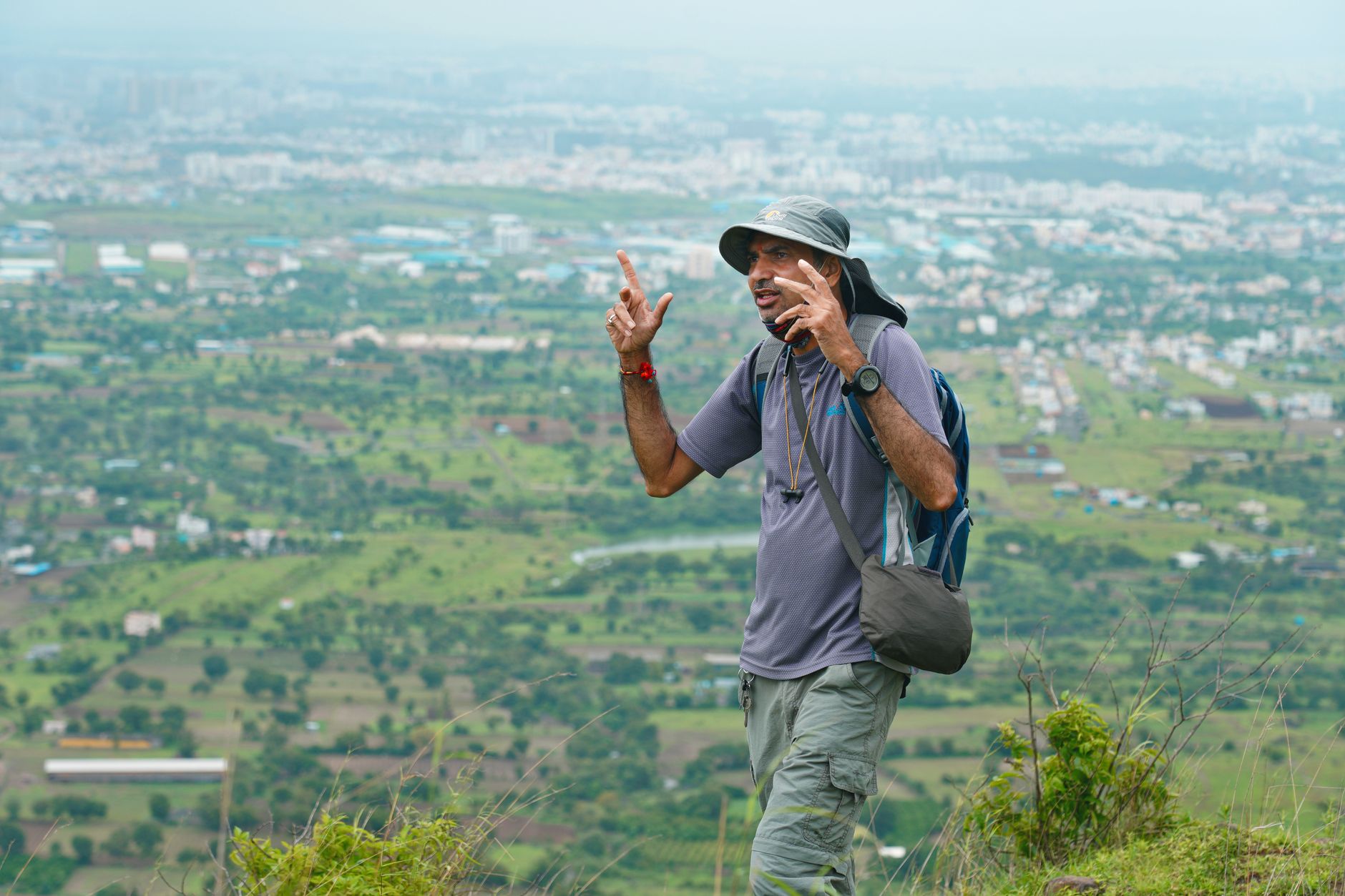
In the bustling metropolis of Pune, where the clatter of development often drowns out cries for sustainability, a new voice has emerged to champion environmental causes. Sonam Wangchuk, celebrated for his transformative work in education, has taken up the mantle of environmental advocacy in a city grappling with rapid urbanisation and its ecological toll.
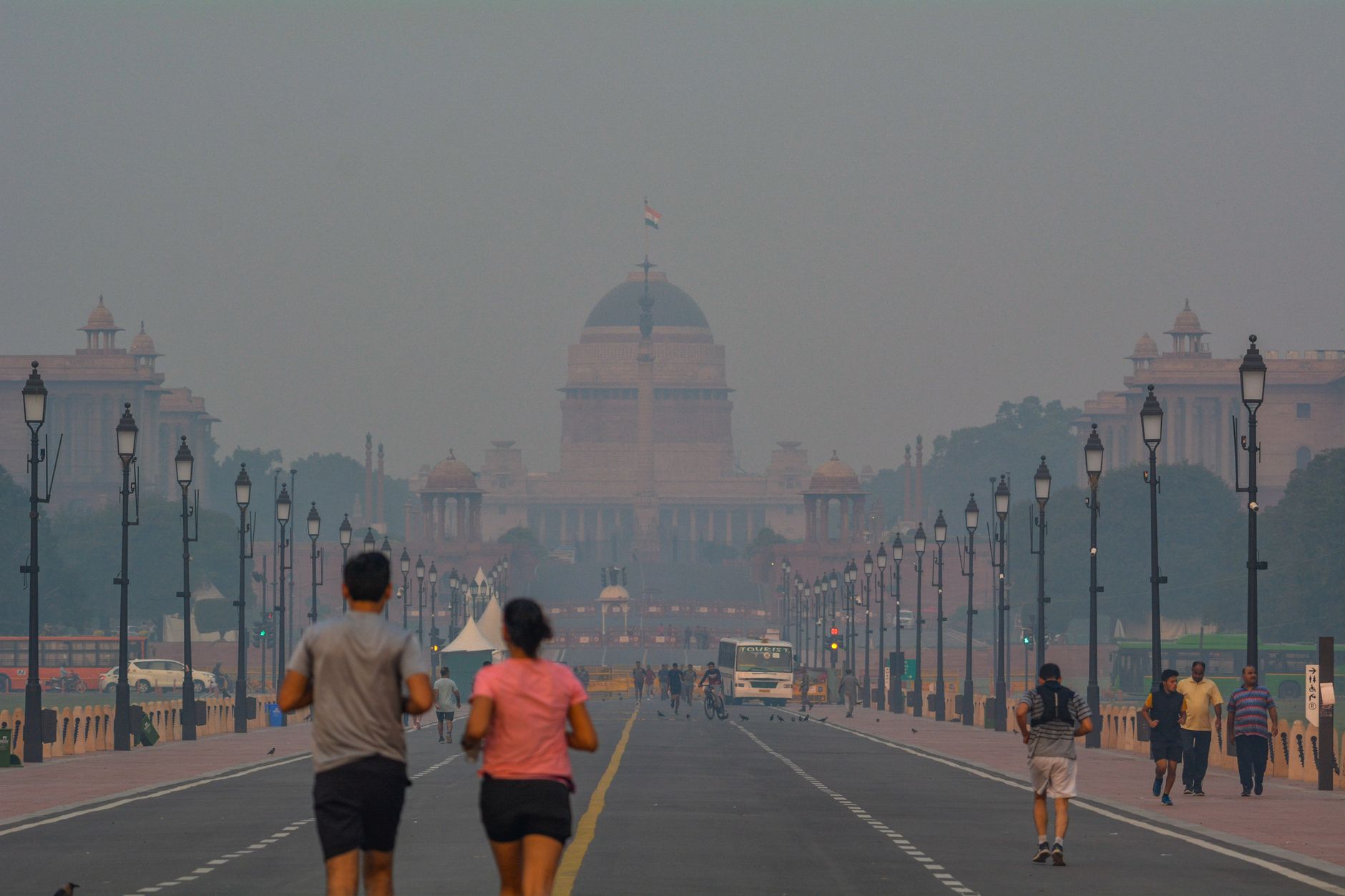
Wangchuk, whose efforts in Ladakh have long inspired activists worldwide, recently turned his attention to Pune, a city facing its own environmental challenges. His intervention comes at a critical time when the city's air quality and green spaces are under strain from burgeoning development projects.
In a bid to raise awareness, Wangchuk has employed the Gandhian tactic of fasting, a method he famously used in Leh to demand constitutional and environmental protections for Ladakh. This time, his fast aims to draw attention to the need for sustainable urban planning and the preservation of Pune's natural resources.
A Call for Sustainable Development
Wangchuk's involvement has invigorated local environmental movements that have been striving for sustainable policy changes. His presence has lent a significant boost to the campaigns urging the government to integrate ecological considerations into the city's development plans.
"We need to rethink how we grow," Wangchuk stated in a recent public address, emphasising the importance of balancing development with environmental preservation. His message resonates in a city where infrastructure expansion often comes at the expense of nature.
Galvanising Local Activism
The response to Wangchuk's campaign has been robust. Local activists report increased public engagement and support, with many citizens participating in environmental workshops and clean-up drives inspired by his example.
Wangchuk's approach is not merely about protest; it's about fostering a broader understanding of ecological justice. By highlighting Pune's environmental issues, he has sparked a dialogue that transcends the city, touching on broader themes of urban sustainability across India.
As Pune grapples with its environmental future, Wangchuk's advocacy offers a beacon of hope. His actions serve as a reminder that even in the face of relentless urban sprawl, the call for sustainable development can no longer be ignored.