Sonam Wangchuk: From Ice Stupas to Educational Pioneer
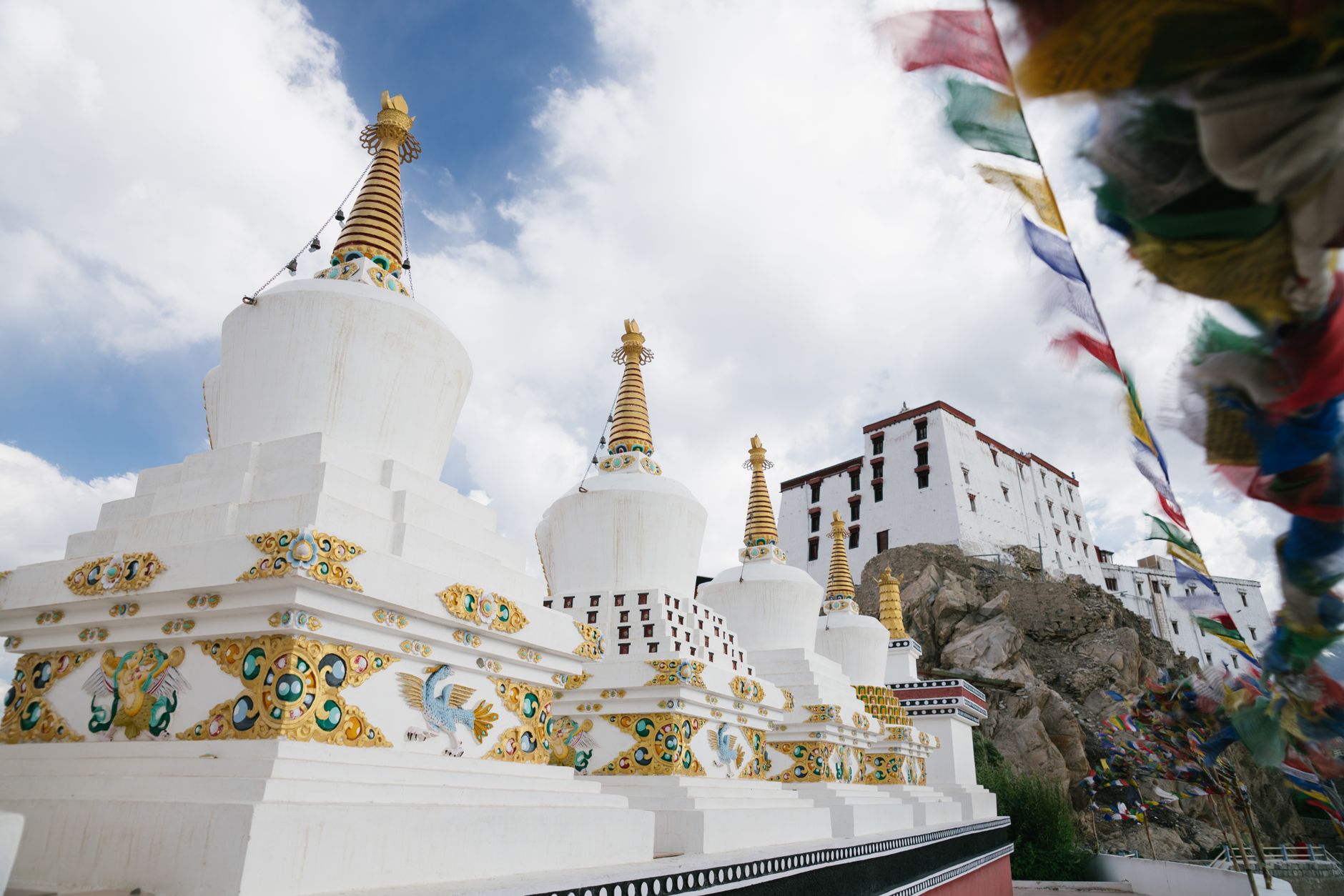
Perched amidst the stark, majestic Himalayas, Sonam Wangchuk has been nothing short of a force of nature himself. Not content with mere engineering feats, Wangchuk has woven his life's work into the very fabric of Ladakh's society, advocating for both environmental conservation and educational reform.
Wangchuk first gained global attention for his ingenious ice stupas. These artificial glaciers, designed to conserve water in arid, high-altitude regions, have been celebrated as a revolutionary approach to combatting water scarcity. Yet, the ice stupas were merely the tip of the iceberg in Wangchuk's broader vision for Ladakh.
An Education Revolution
His establishment of the Students' Educational and Cultural Movement of Ladakh (SECMOL) set the stage for transforming the educational landscape. Dissatisfied with rote learning and outdated curricula, Wangchuk championed a hands-on, experiential approach to education, tailored to the unique needs of Ladakhi students. The Himalayan Institute of Alternatives, Ladakh (HIAL) further expanded this vision, promoting sustainable development and innovation.
In 2024, Wangchuk made headlines with his dramatic 21-day hunger strike in Ladakh, subsisting only on water and salt. His protest was a call to action, demanding legal protections for Ladakh's fragile ecosystem. Fast forward to 2026, and the activist found himself once again in the spotlight, forcibly removed to Safdarjung Hospital after another prolonged hunger strike at Delhi's Jantar Mantar. Such acts underscore his relentless pursuit of justice for his region.
National Impact and Legacy
Wangchuk's efforts have resonated far beyond the mountains of Ladakh. His calls for reform have captured national attention, with many viewing him as a symbol of resistance against environmental degradation and educational stagnation. His story is one of transformation—of landscapes, minds, and policies.
As Wangchuk continues his advocacy, the question remains: will the nation heed his call? His legacy, already substantial, continues to grow, inspiring a generation to think creatively about the challenges of today and tomorrow.