Spain's Parliament Opens Path to Citizenship for Western Saharans
In an era where historical grievances and geopolitical tensions frequently intersect, Spain's parliament has taken a bold step by approving a law granting citizenship to Western Saharans born during its colonial rule of the territory. This significant move, passed by 168 votes to 31, signals Spain's attempt to right historical wrongs while potentially igniting diplomatic tensions with Morocco.
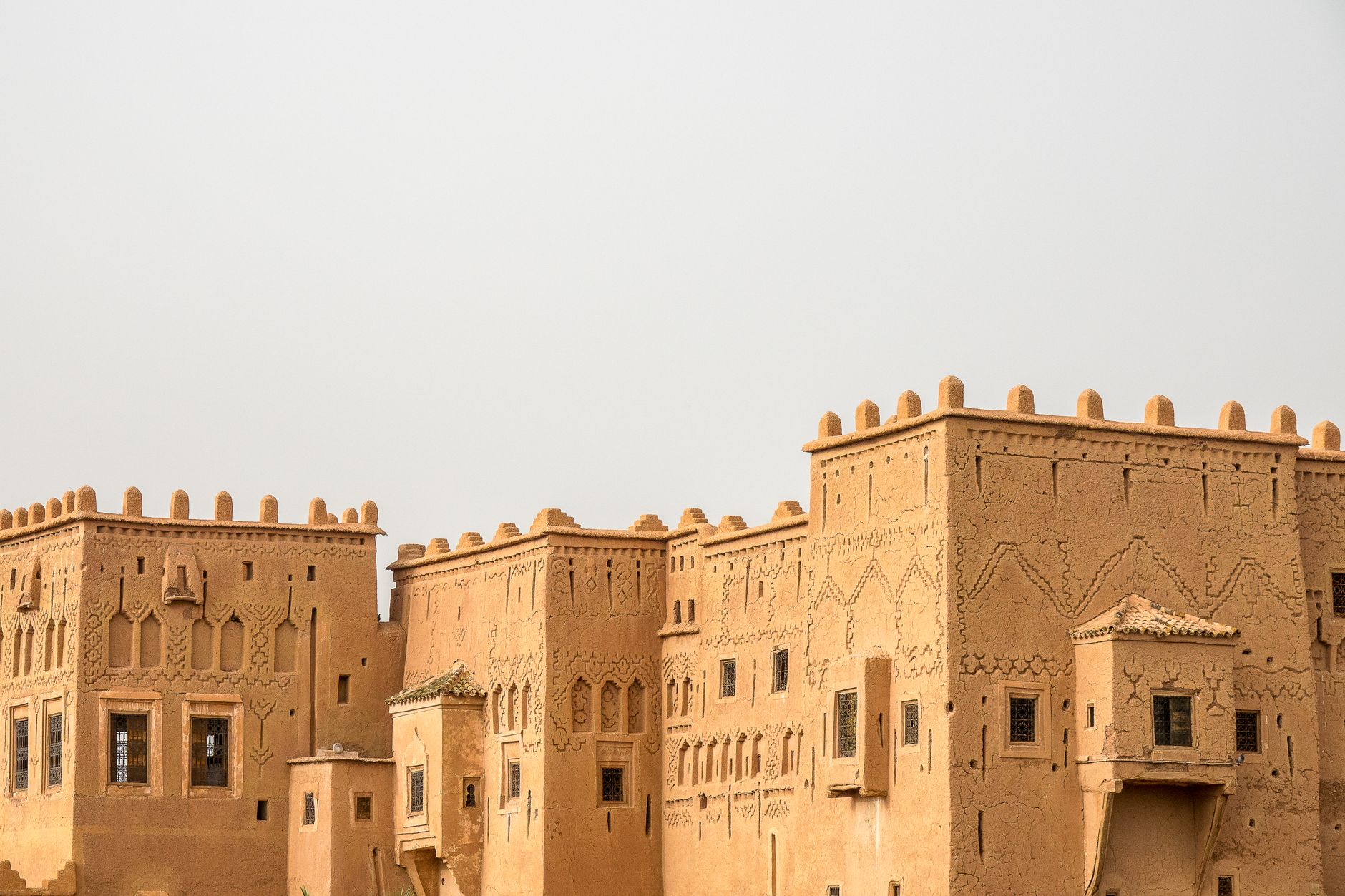
The legislation, which extends citizenship rights to those born before 1977 and their descendants, is a momentous gesture towards the Sahrawi people, whose homeland has been the epicentre of a protracted territorial dispute. Western Sahara, rich in phosphates and with strategic Atlantic coastline, has been largely under Moroccan control since Spain withdrew in 1975, leading to decades of conflict and displacement.
A Complex Legacy
Spain's decision is rooted in its colonial legacy, as Western Sahara was under Spanish administration until the mid-1970s. The move to grant citizenship acknowledges the historical ties and responsibilities Spain has towards the Sahrawi people. However, this decision might complicate Spain's relations with Morocco, which considers Western Sahara as part of its sovereign territory. The border crisis in Ceuta earlier this year highlighted the fragility of these diplomatic ties.
For the Sahrawi people, many of whom live in refugee camps in Algeria or in the disputed territories, this legislation offers a glimmer of hope. Spanish citizenship could provide access to European Union rights and opportunities, a significant shift for a population that has long been stateless.
Diplomatic Implications
The decision arrives at a delicate time in Spain-Morocco relations, underscored by recent tensions over migration and territorial claims. While Spain's move is celebrated by Sahrawis and human rights advocates, it risks escalating diplomatic friction with Rabat, which has historically resisted any recognition of Sahrawi claims. Observers note that while the legislation is a humanitarian gesture, it may inadvertently stir political complexities in the region.
As the world watches, Spain's path to reconciliation with its colonial past may serve as a precedent for other nations grappling with similar historical legacies. However, the true impact of this decision will unfold in the coming months, as both Spain and Morocco navigate the intricate dance of diplomacy.