Sports Barrister Criticises Delay in Man City Legal Proceedings
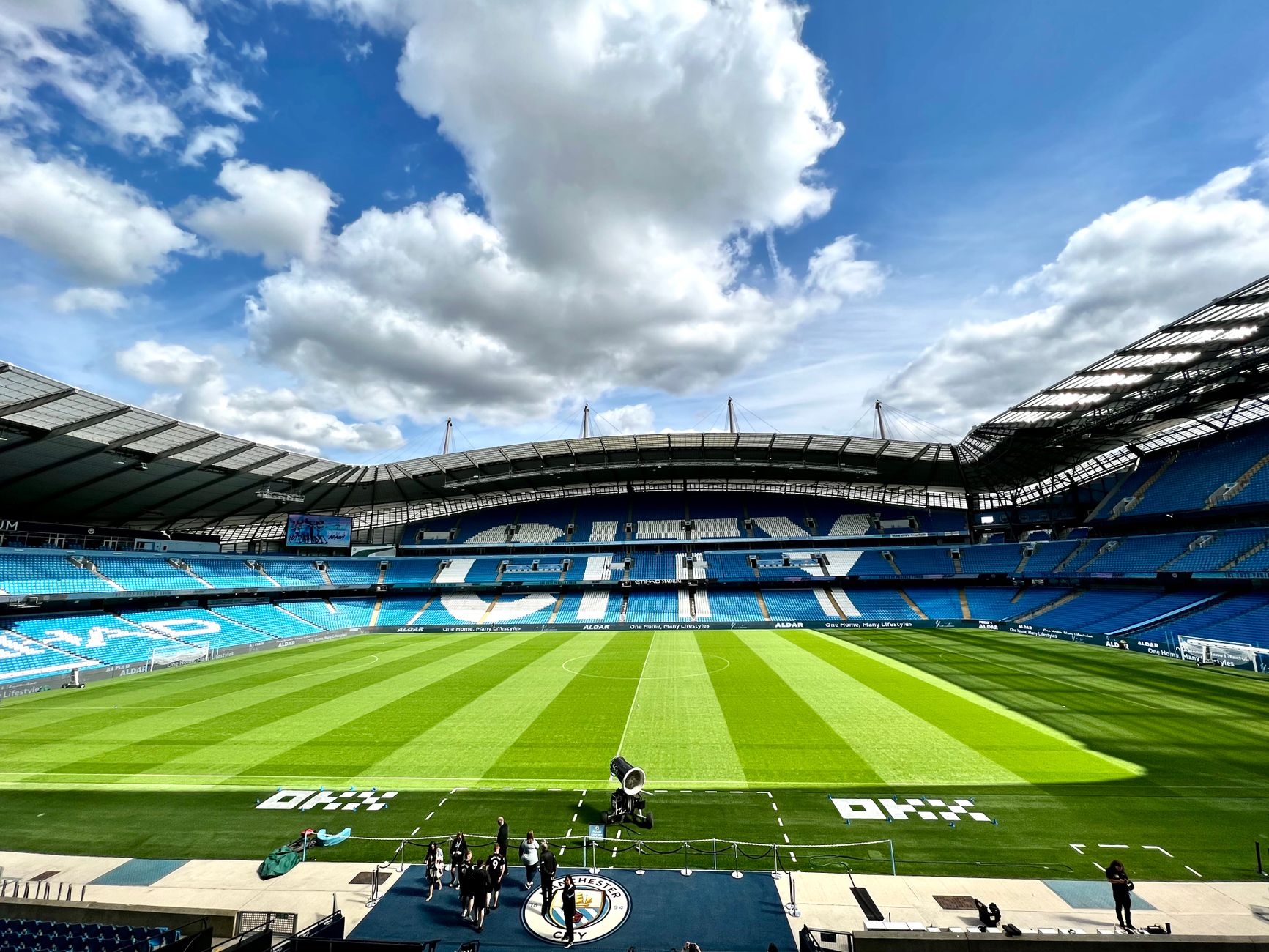
In an era where efficiency is often equated with justice, the Manchester City legal saga has become a glaring exception. Two years have elapsed since the proceedings began, yet the end remains elusive. The case, which has been dubbed 'the trial of the century', scrutinises Manchester City's alleged breaches of the Premier League's financial rules, particularly the associated party transaction (APT) regulations.
Nick De Marco, a leading sports barrister renowned for his acumen in sports law, has publicly criticised the protracted nature of the case. Speaking with characteristic candour, De Marco described the delay as the 'most incredible' he has witnessed in his illustrious career. The case's complexity, he noted, could not justify the inertia that has gripped the proceedings.
The Stakes and the Scrutiny
As the legal wrangling continues, Manchester City remains under intense scrutiny. The club, which has consistently maintained its innocence, faces allegations that could have severe repercussions, not just for its standing in the Premier League but also for its reputation globally. The stakes are high, and the delay only serves to heighten the tension surrounding the outcome.
The case centres on whether Manchester City contravened financial regulations by misrepresenting its sponsorship revenues. Such allegations, if proven, could result in hefty fines or even expulsion from the league. For a club of City's stature, the implications are profound, not least because of the club's significant investments in both players and infrastructure.
The Broader Implications
The delay in reaching a verdict extends beyond Manchester City. It raises broader questions about the efficiency of legal processes in football, especially when financial fair play is at stake. As De Marco pointedly observes, a swift resolution is essential to maintain the integrity of the sport. The current impasse, he argues, risks undermining public confidence in the regulatory frameworks that govern football.
For now, the legal limbo continues. Manchester City, its fans, and indeed the wider footballing community must wait, with anticipation mingled with frustration, for the eventual ruling that could reshape the contours of English football.