Sri Lankan Delegation Explores Delhi's Tech-Driven Education Innovations
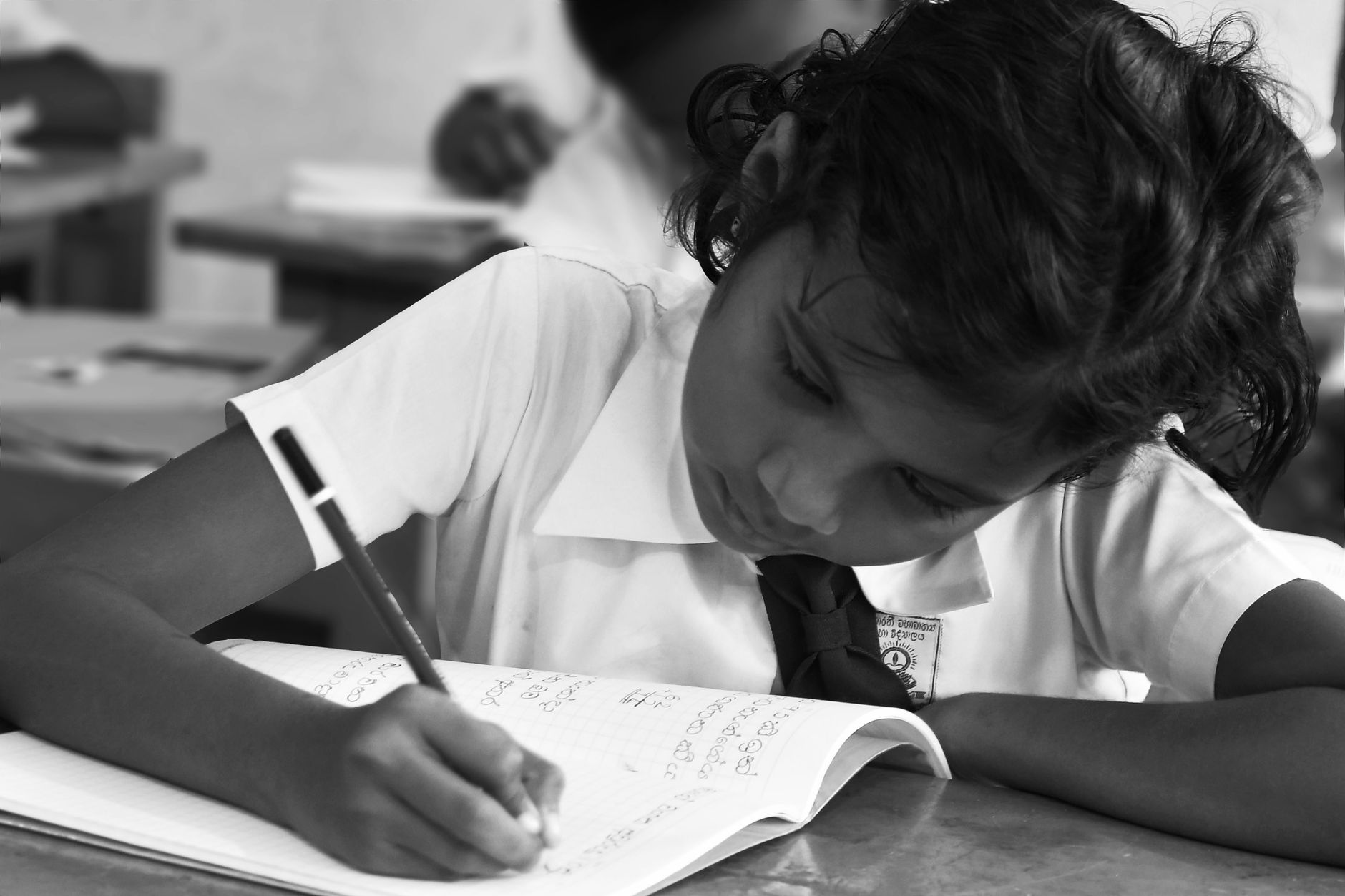
In the bustling heart of New Delhi, amidst the organised chaos of Sarojini Nagar, a significant exchange of educational philosophies unfolded. A five-member delegation from Sri Lanka, led by their Prime Minister, embarked on a mission to delve into the technology-driven educational environment of the CM Shri school. The visit, part of a broader tour of Delhi's educational facilities, sought to glean insights into how technology is seamlessly woven into the fabric of learning and teaching.
The delegation was treated to a firsthand experience of Delhi's modern educational infrastructure. The CM Shri school, known for its state-of-the-art classrooms, provided a vivid demonstration of how digital tools and artificial intelligence are redefining the classroom experience. From interactive whiteboards to AI-driven learning analytics, the school exemplifies a shift towards an education system that embraces both tradition and innovation.
Learning from Delhi
The dialogue between the Sri Lankan delegation and Delhi's educational practitioners was a meeting of minds, focused on mutual growth. As Sood, a senior official, guided the visitors through the school's facilities, discussions veered towards the broader implications of such innovations. "It's not just about technology," Sood remarked. "It's about creating an environment where students are at the centre of learning."
The Sri Lankan officials, in turn, shared their experiences in quality assurance and mentoring programmes, offering a perspective that enriched this cross-cultural dialogue. Their insights into zonal-level administration highlighted the importance of robust frameworks in ensuring educational quality, a lesson that resonated well with Delhi's educators.
Strengthening Bilateral Ties
Beyond the immediate focus on education, this visit dovetailed with broader diplomatic efforts to strengthen Indo-Sri Lankan ties. Prime Minister Modi's recent meeting with his Sri Lankan counterpart reaffirmed a commitment to collaborate across education, technology, and innovation sectors. Such visits, while primarily educational, serve a dual purpose of fostering international goodwill and cooperation.
As the delegation concluded their tour, it was evident that the exchange had been mutually beneficial. For Delhi, it was a chance to showcase its educational advancements and for Sri Lanka, an opportunity to explore new paradigms in education that could be adapted to their context. This visit underscored the shared vision of both nations to leverage technology for educational excellence, paving the way for future collaborations.