Stadiums Evolve into Thriving Entertainment Hubs
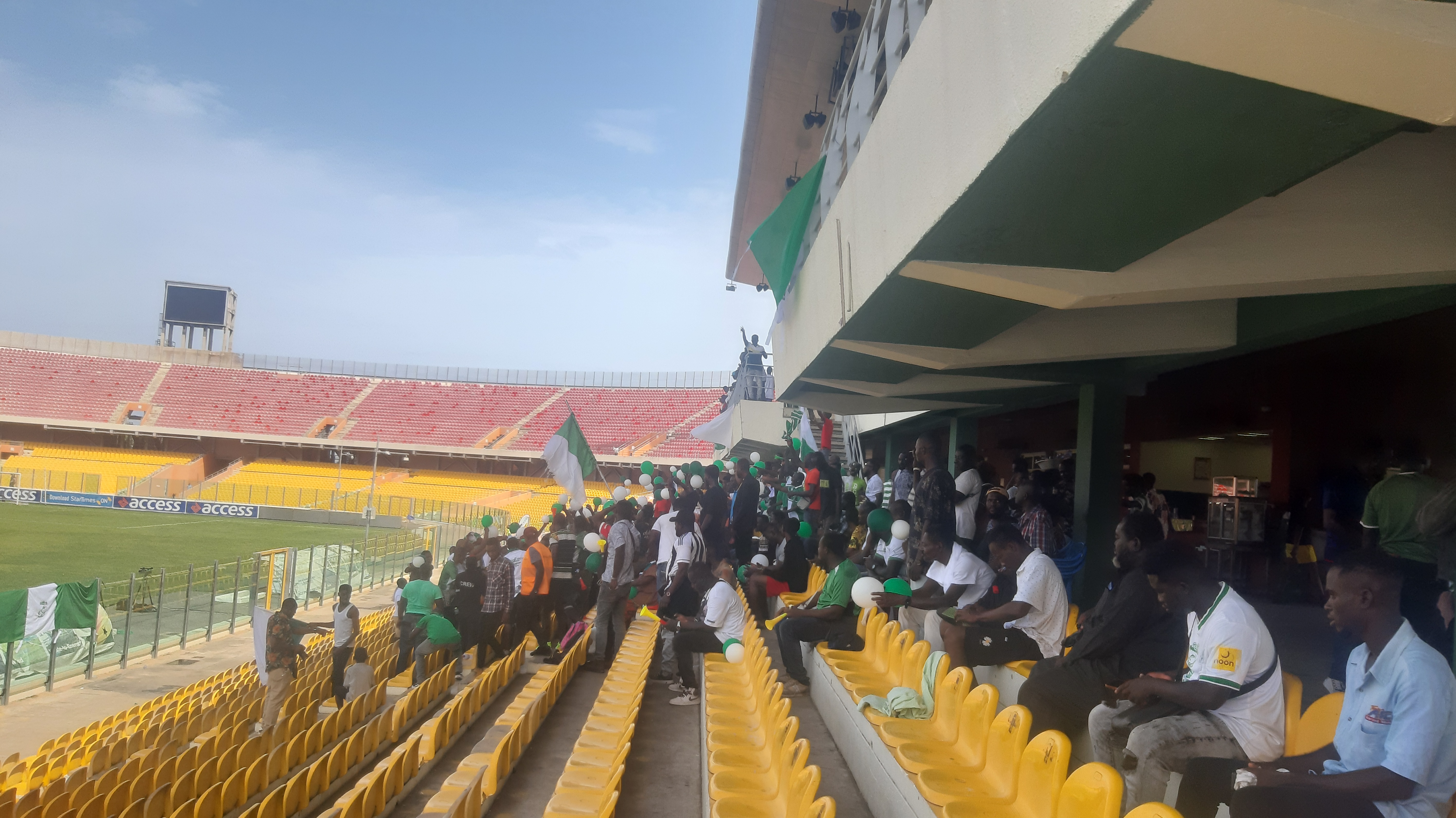
It was once a simple matter: stadiums were for sports, a place to cheer on your local team or witness a concert or two. Today, however, they have metamorphosed into vibrant entertainment districts, bustling with activity all year round. This transformation is not merely a facelift but a strategic reimagining of what these vast spaces can offer.
Consider the iconic Santiago Bernabéu Stadium, home of Real Madrid. Its recent redevelopment has turned it into a year-round destination, complete with retail outlets, dining establishments, and entertainment offerings. This evolution is emblematic of a broader trend, where stadiums are becoming multifaceted hubs, attracting visitors even when the players are off the field.
The Rise of Entertainment Districts
The notion of transforming underutilised areas into premium spaces is gaining traction. Field-level seating and modular hospitality concepts are just the beginning. Stadiums now feature creator-friendly experiences, tech-driven attractions, and even rooftop gardens. These additions not only enhance the visitor experience but also significantly boost revenue streams.
In the United States, NFL and NBA stadiums are pioneering this trend, hosting diverse events beyond sports. From music festivals to corporate events, these venues have become magnets for various forms of entertainment, ensuring a steady flow of income.
Community and Economic Impact
This shift has profound implications for local communities. Stadiums are becoming economic engines, generating jobs and revitalising surrounding areas. They are no longer isolated structures but integral parts of urban life, contributing to the cultural and economic vitality of cities.
Moreover, this evolution is redefining the fan experience. Visitors can now enjoy a day-long outing, combining sports with shopping, dining, and entertainment, making these venues more family-friendly and accessible.
In conclusion, the stadium of the future is not just a place for athletic prowess but a dynamic centre for entertainment, community engagement, and economic growth. As more venues embrace this model, the lines between sports and entertainment continue to blur, offering new opportunities for fans and businesses alike.