Stranded Hormuz Ships Pose Global Bioinvasion Threat
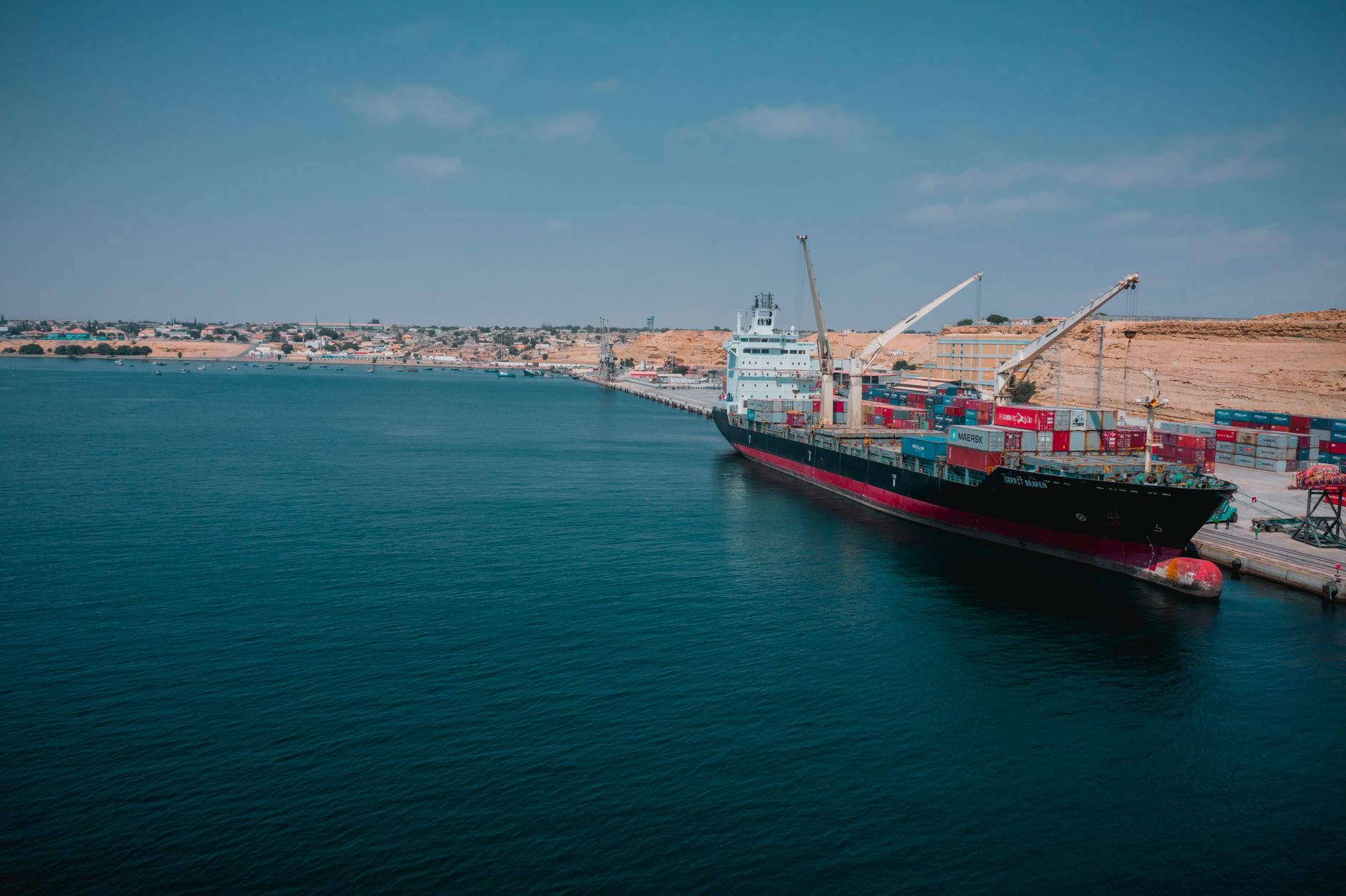
Like silent sentinels, over 1,500 ships have been quietly anchored in the Strait of Hormuz, a critical artery for global oil supply, yet now these vessels represent a looming ecological dilemma. Researchers are sounding the alarm over the potential bioinvasion these ships could trigger as they prepare to resume operations.
Stranded for months, these ships have inadvertently become floating nurseries for a diverse array of marine organisms, all thanks to a phenomenon known as biofouling. Barnacles, algae, and other creatures have clung to the hulls, thriving in the warm, saline waters of the Gulf. Now, scientists warn that these stowaways could hitch a ride to ports around the world, potentially wreaking havoc on local ecosystems.
The Super-Spreader Potential
The concern is not merely academic. Invasive species have a notorious history of destabilising environments, outcompeting native species, and causing substantial economic damage. The ships in the Strait of Hormuz are particularly concerning because the organisms on their hulls are already adapted to harsh marine conditions, increasing their chances of survival in new locales.
Dr. Eliza Morton, a marine biologist, explained the gravity of the situation, stating, "These ships could effectively act as super-spreaders, introducing resilient species into vulnerable ecosystems." The first ports of call for these vessels are especially at risk, as new arrivals could establish themselves quickly before spreading further.
Mitigation Measures
In response, scientists have recommended a rigorous cleaning of ship hulls before they leave the Gulf. This, however, is easier said than done. The logistical challenge and cost of cleaning such a vast number of vessels are significant, and there is no global mandate enforcing such measures.
Yet, the cost of inaction could be far greater. Past instances of invasive species introduction, such as the zebra mussel in North America, have shown how quickly and dramatically ecosystems and economies can be affected.
As the world waits to see how this situation unfolds, the stranded ships of Hormuz serve as a stark reminder of the interconnectedness of our global ecosystem—and the delicate balance that must be maintained within it.