Striking a Balance: Groundwater Use in Agriculture and the Environment
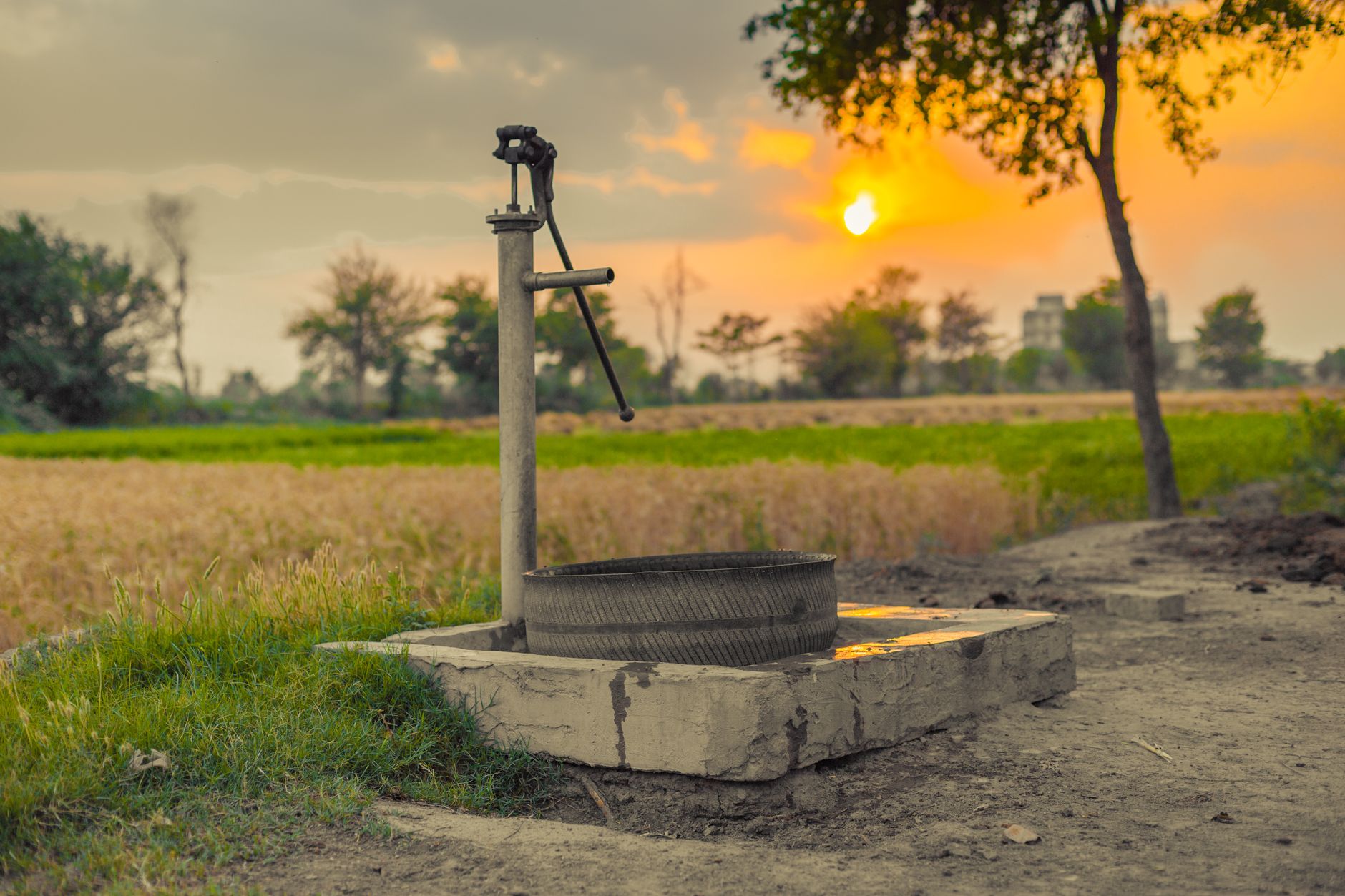
In the arid heartlands of Spain, farmers are grappling with a challenge as old as agriculture itself: how to quench the thirst of their crops without draining the life out of the earth. Groundwater, a precious yet finite resource, is disappearing at an alarming rate, and the consequences stretch far beyond the farmers' fields.
Groundwater depletion is not merely a local issue confined to a few parched regions. It is a global crisis, exacerbated by the demands of irrigated agriculture, which, while highly productive, is also an insatiable consumer of water. The dilemma is stark: how to sustain crop yields essential for food security while preserving the ecosystems that rely on these same water sources?
Efficient Water Management: A Global Necessity
Experts argue that the key lies in efficient water management. By adopting sustainable practices such as canal-well conjunctive irrigation, regions can balance agricultural needs with environmental conservation. This involves using both surface and groundwater resources judiciously, ensuring that the water extracted is not more than what the ecosystem can replenish.
Spain's central arid regions have become a testing ground for such strategies. Here, water and salt balance modelling in root zone soils is being utilised to optimise water use while mitigating soil degradation. Similarly, in North China, changes in water management practices have shown tangible impacts on local hydrology and environment, highlighting a path forward for other regions.
The Greater Implications
But why does this matter? Beyond the immediate benefits of sustaining agriculture and curbing environmental degradation, efficient groundwater management has broader implications for global food security and ecosystem health. As climate change intensifies and populations grow, the pressure on water resources will only increase. Thus, the lessons learned from these regional efforts could prove invaluable globally.
The path towards balancing groundwater use for crop production and environmental sustainability is fraught with challenges. However, with concerted effort and innovative strategies, there is hope that we can navigate these waters wisely.