Striking a Balance: Groundwater Use in Agriculture and Environmental Health
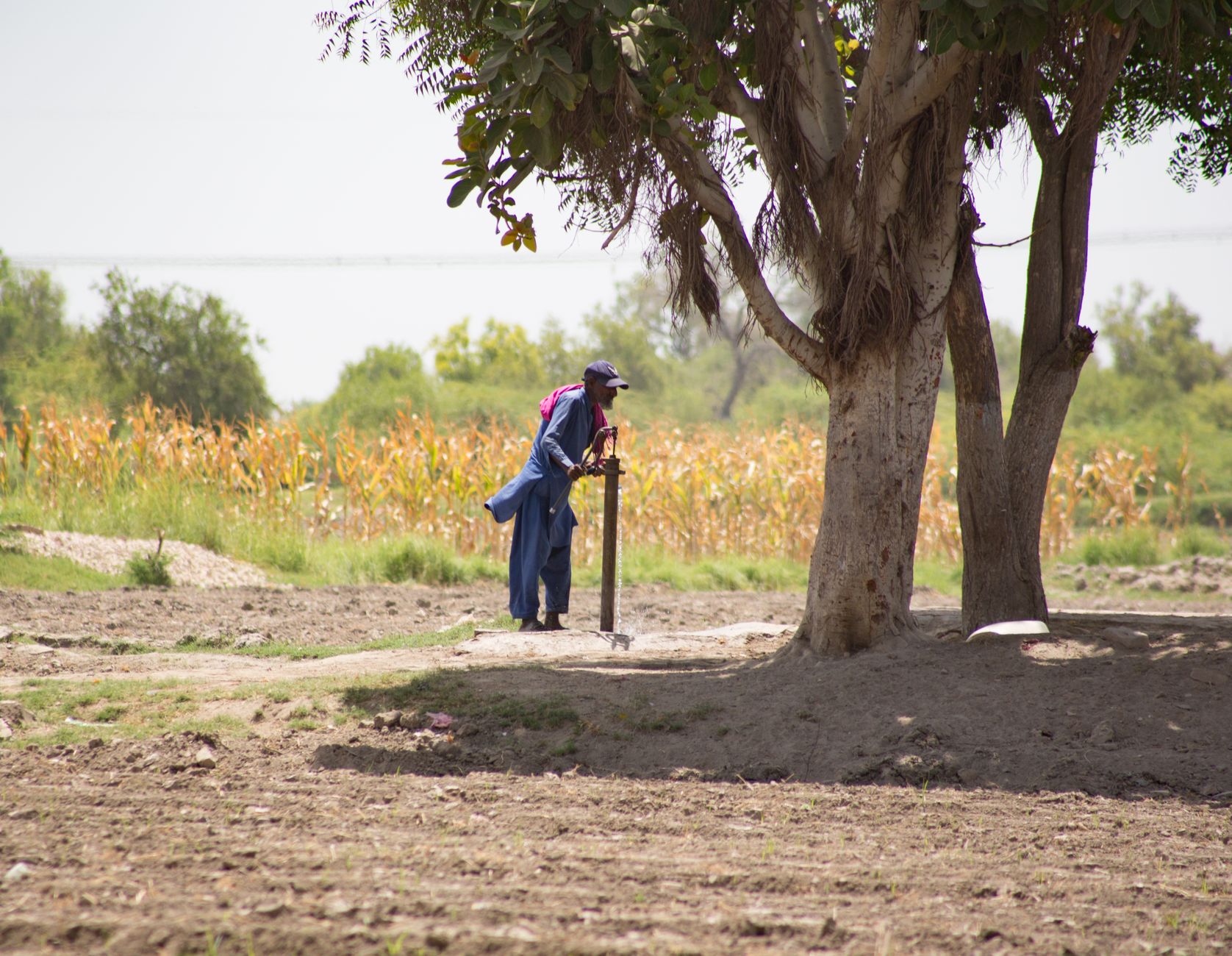
In an arid corner of Spain, the earth is parched and cracked, a visual testament to the relentless demands placed upon it. Here, farmers have long relied on groundwater to coax life from the soil, driven by the promise of lucrative Common Agricultural Policy (CAP) payments. Yet, as the aquifers are pushed beyond their natural limits, the question arises: can agriculture thrive without compromising the very resources it depends upon?
The dilemma is not unique to Spain. Across the globe, regions are grappling with the twin challenges of ensuring food security and conserving groundwater. The crux of the issue lies in the fact that many irrigation projects withdraw more water than is actually consumed by the crops. This imbalance not only threatens the sustainability of agricultural practices but also endangers the ecosystems that are sustained by these vital water reserves.
Experts are now advocating for a shift towards more sustainable water management practices. One promising approach is the integration of canal-well conjunctive use strategies. By combining surface water and groundwater, this method aims to optimise water use, ensuring that aquifers are not depleted faster than they can be replenished.
Modelling and Policy Interventions
Recent advancements in groundwater and crop water modelling have provided valuable insights, particularly in data-scarce environments. These models can predict the impact of different irrigation strategies on water tables and agricultural yield, offering a roadmap for future policy interventions.
Incorporating these models into agricultural policy could pave the way for more informed decision-making. For instance, by tailoring water use to the specific needs of crops and local hydrological conditions, it is possible to maximise yield while safeguarding groundwater reserves.
The Path Forward
While the challenges are considerable, the potential rewards are significant. By adopting sustainable practices, communities can ensure the longevity of their agricultural industries while protecting the environment. This delicate balancing act requires cooperation between farmers, policymakers, and researchers to align the interests of food production with environmental conservation.
Ultimately, the success of these efforts will hinge on the willingness of stakeholders to embrace change and prioritise sustainability over short-term gains. As the world faces increasing pressure on its natural resources, the lessons learned from these initiatives could offer a blueprint for other regions seeking to balance the demands of agriculture and the environment.