Student Protests Ignite Fierce Political Battle Over Pellet Gun Use
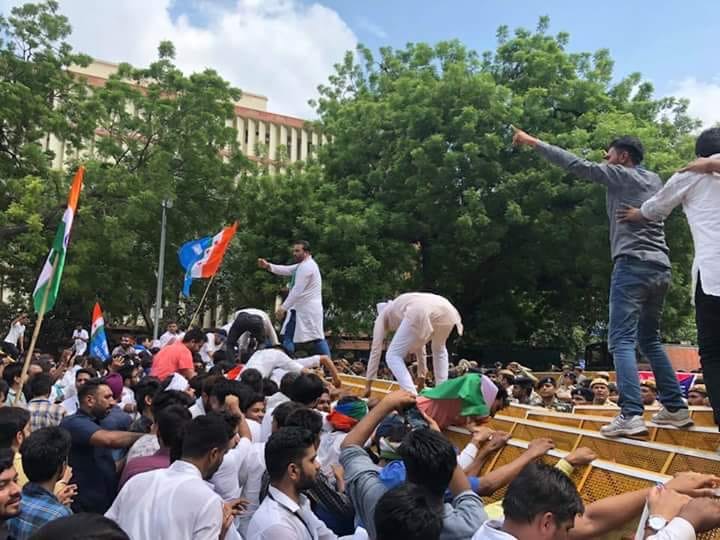
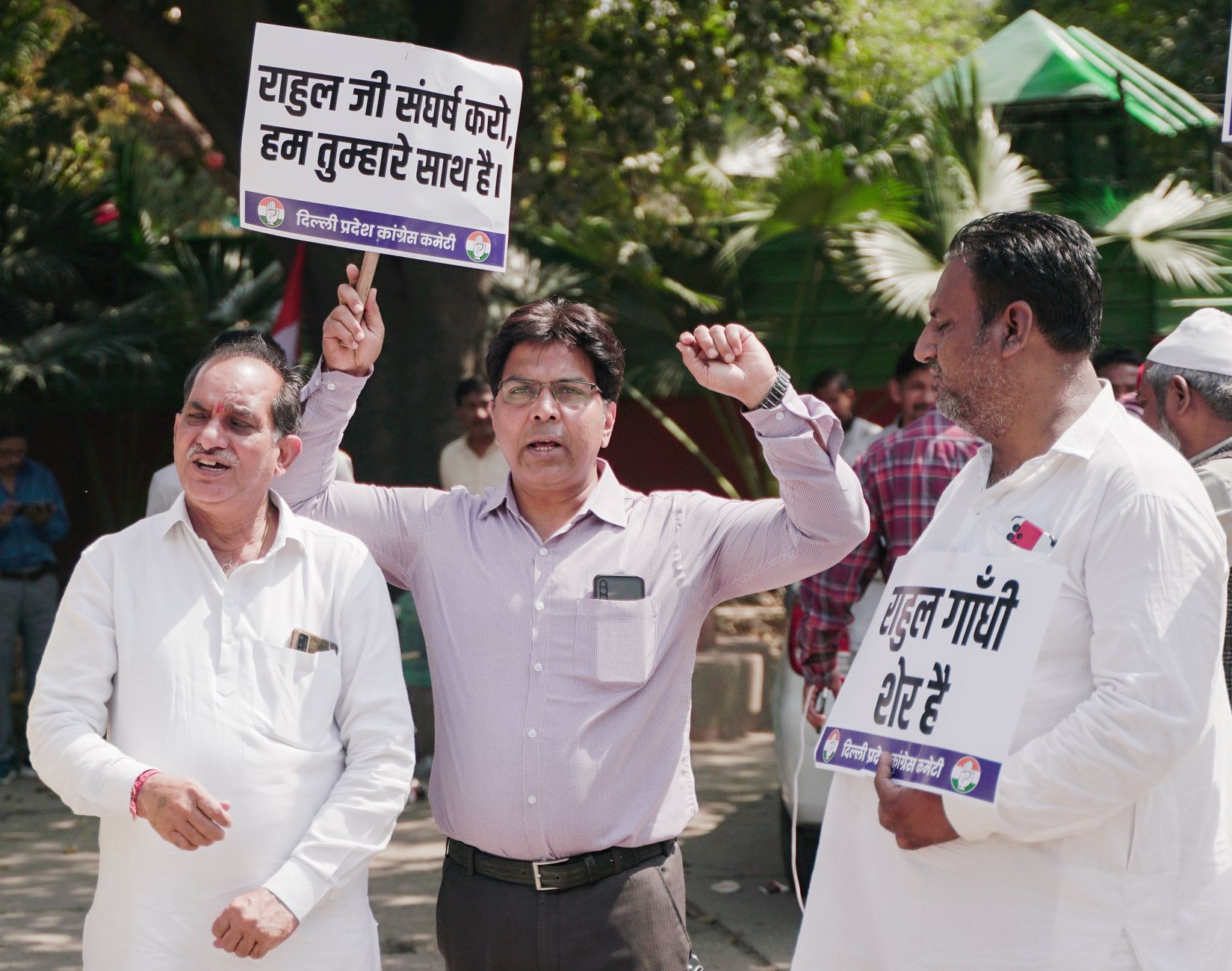
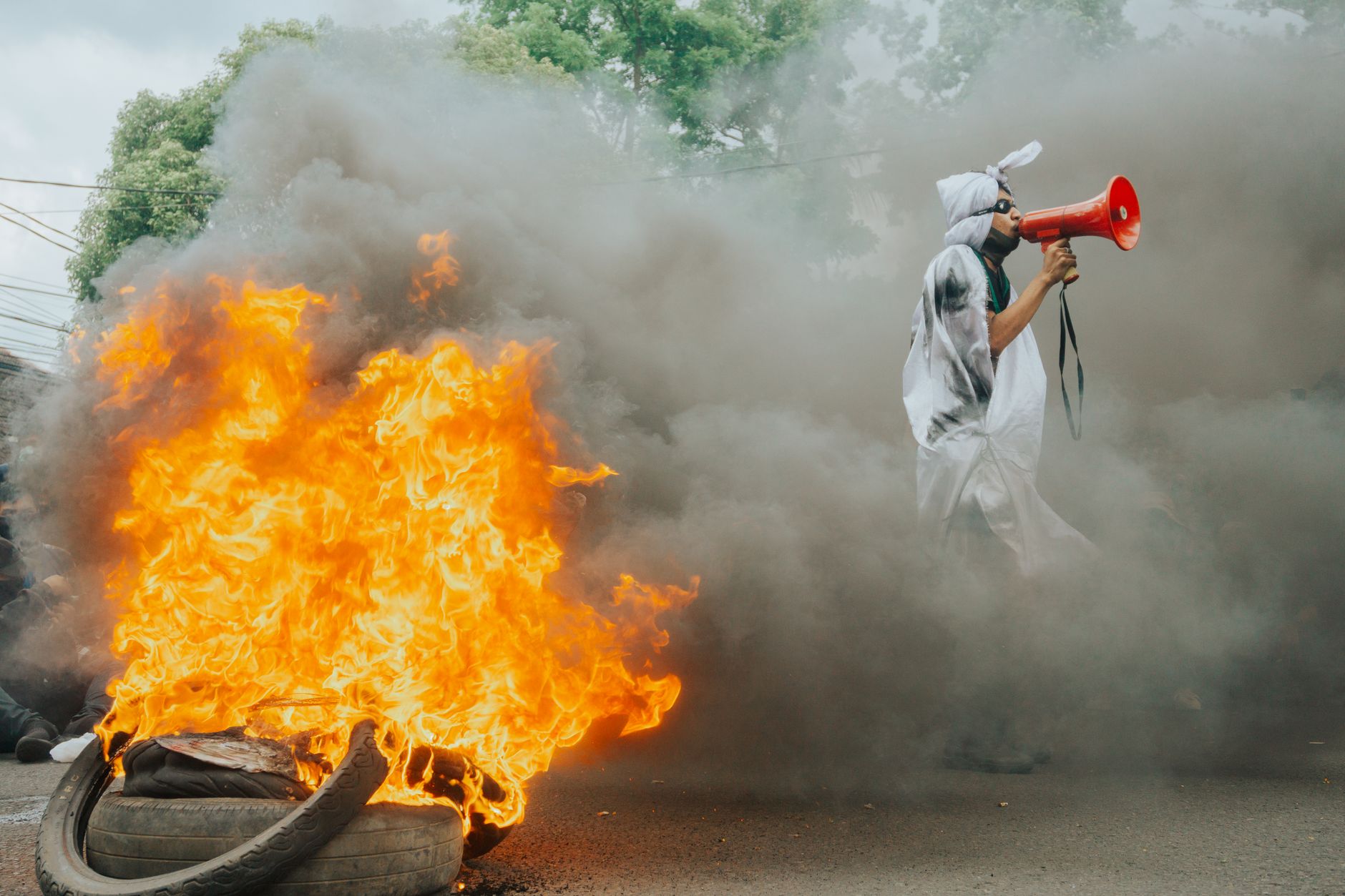
Amidst the charged atmosphere of Indian politics, the alleged use of pellet guns during student protests has become a flashpoint, igniting a fierce debate that resonates beyond the corridors of power. On 20th July, what began as a demonstration against a contentious NEET paper leak spiralled into a national controversy, with both the government and opposition locked in an acrimonious exchange.
The opposition, armed with police records and medical claims, has mounted a vigorous challenge to the government's denial of the use of pellet guns. A General Diary entry, cited by opposition leaders, purportedly mentions their deployment, adding fuel to the fire. This evidence stands in stark contrast to the official narrative, further complicating the discourse.
In the Lok Sabha, Rahul Gandhi's allegations that Home Minister Amit Shah had ordered police actions against students have set off a storm. The opposition's demand for a statement and an apology from Shah has led to a parliamentary deadlock, with Speaker Om Birla intervening to facilitate a discussion on the anti-paper leak bill.
The Battle for Narrative
At the heart of this row lies a battle for narrative control. The government, keen to project an image of stability and control, finds itself on the defensive. Meanwhile, the opposition sees an opportunity to galvanise public opinion against what they depict as authoritarian overreach.
For many students and civil rights advocates, the core issue is not just the alleged use of force, but the broader implications for democratic dissent. The use of pellet guns, if proven, signifies a troubling escalation in the state's response to civic unrest, reminiscent of tactics seen in more troubled regions.
As the debates continue, the nation watches, aware that the outcome may set a precedent for future engagements between state power and civilian protest. In a democracy as vibrant and contentious as India’s, the implications are profound.