Submerged Spruce: Finnish Experiment Reveals Aquatic Impact
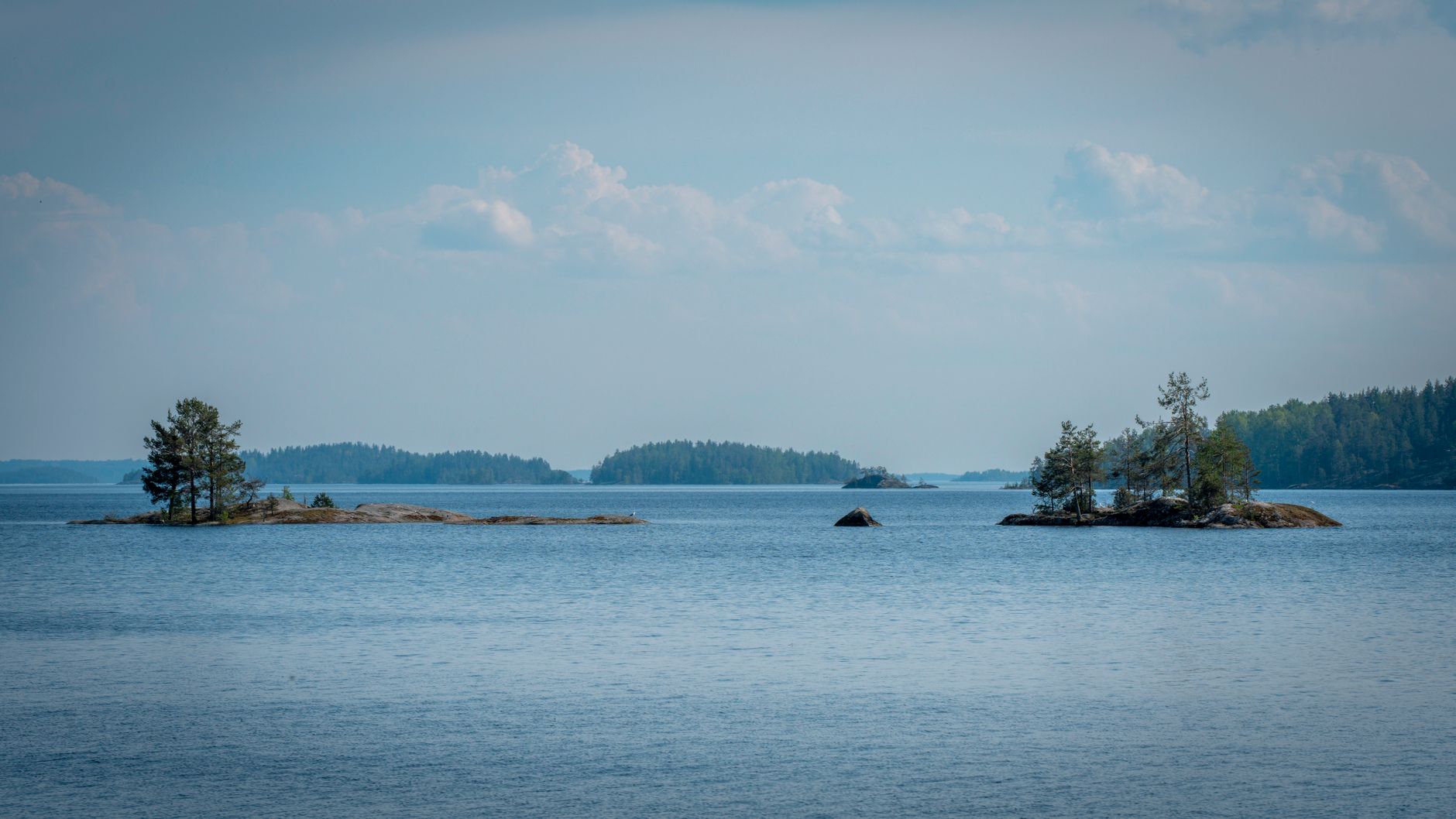
In the tranquil waters of Lake Saimaa, southeastern Finland, an experiment of unusual proportions has been quietly unfolding over the past three years. In 2021, scientists, driven by a curiosity about the interplay between forests and aquatic life, embarked on a venture that involved submerging 1,500 Christmas trees beneath the lake's surface.
The reason? To study how organic materials, typically considered terrestrial, interact with underwater ecosystems. The decision to use spruce trees was not arbitrary; their structure and composition were thought to potentially foster habitats for various aquatic species.
Unveiling the Findings
Three years on, researchers have retrieved the trees and embarked on an analysis of the ecosystem shifts they have wrought. Initial data suggest that the submerged trees have created new shelters and feeding grounds for fish and invertebrates. This, in turn, has led to an increase in local biodiversity, a promising development for conservationists.
Dr. Anniina Salonen, the project's lead researcher, noted, "The submerged trees provided an unexpected boon to the lake's ecosystem, serving as a kind of underwater reef. The increased complexity of habitats has allowed for a more diverse range of species to thrive."
Environmental Implications
While the notion of dumping trees into a lake might initially raise eyebrows, the experiment underscores the potential of using natural materials to enhance aquatic environments. As global concerns about biodiversity loss intensify, such innovative approaches could play a crucial role in habitat restoration.
The researchers caution, however, that the application of such methods must be carefully managed to avoid unintended ecological consequences. Yet the project's success offers a tantalising glimpse into how natural resources can be harnessed for the benefit of both terrestrial and aquatic realms.
As the world grapples with environmental challenges, the findings from Lake Saimaa may inspire further exploration into the symbiotic relationship between land and water ecosystems. Whether this could lead to a broader adoption of similar strategies remains to be seen, but the experiment has certainly opened a new avenue for ecological research.