Supreme Court Clarifies Tax Status of Cruise Ship Operations
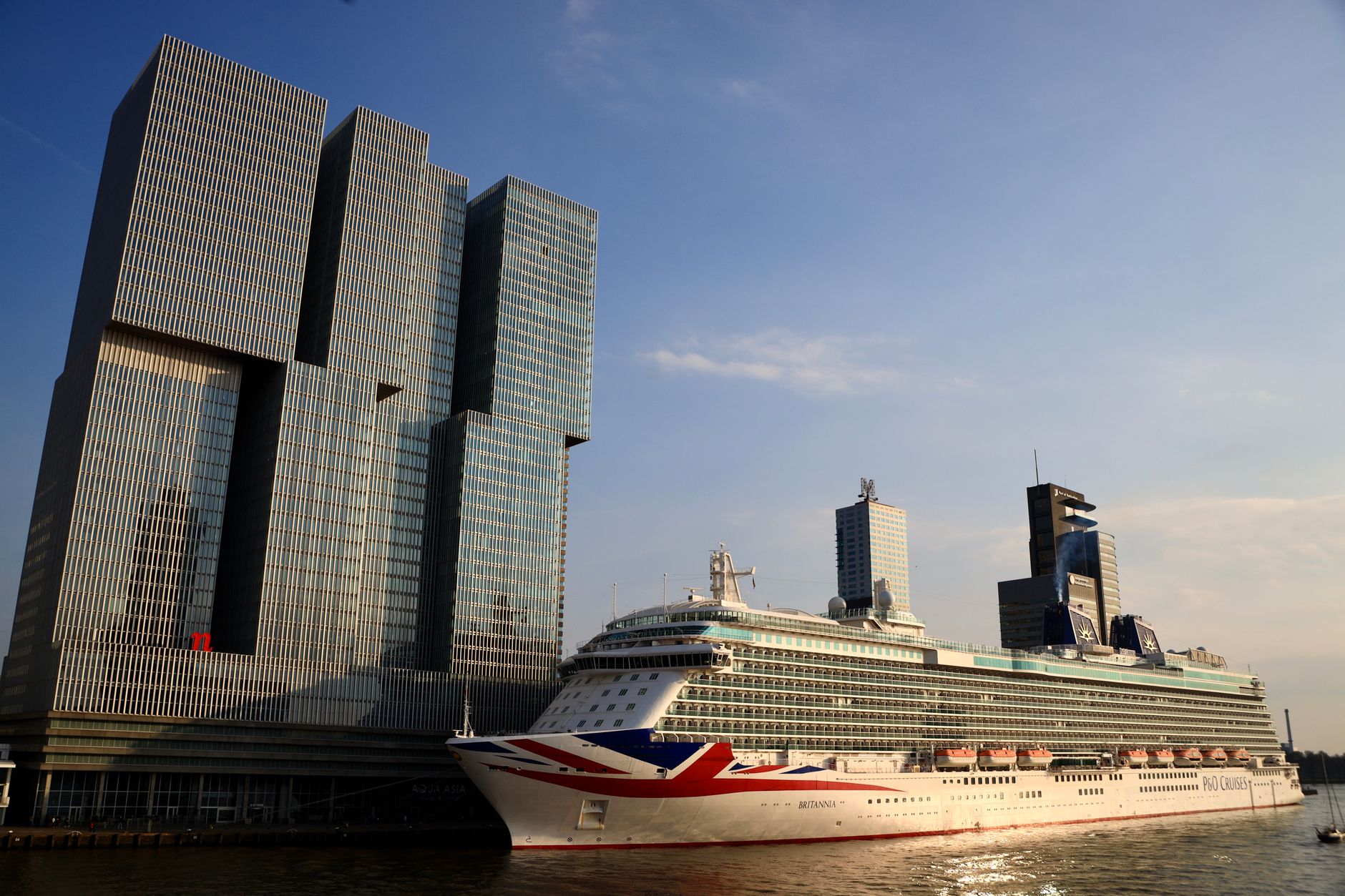
The Indian Supreme Court has delivered a seminal judgement affirming that foreign cruise operators providing entertainment and hospitality services are to be regarded as shipping businesses under Section 44B of the Income Tax Act. This decision comes as a relief to the cruise industry, ensuring that they remain under the tax provisions intended for traditional shipping operations.
At the heart of the matter lies the interpretation of Section 44B, which was originally designed to provide a special tax provision for non-resident entities engaged in shipping. The court's judgement clarifies that despite the entertainment and leisure aspects of cruise operations, the core activity still pertains to maritime transport.
This ruling is significant for several reasons. First, it provides much-needed clarity in the application of tax laws to the burgeoning cruise industry, which has been left in a state of uncertainty. Secondly, it underscores the importance of the shipping sector in the Indian economy, which is vital given the country's 7,517 km coastline and its reliance on maritime trade.
India's ports are bustling hubs of economic activity, and the clarity brought about by this decision is expected to encourage further investments in the cruise sector. By aligning cruise operations with the broader shipping industry, the court ensures uniformity in taxation, fostering an environment conducive to growth.
Legal experts have lauded the decision, noting that it reflects a nuanced understanding of modern shipping operations. While the hospitality and entertainment services are integral to the cruise experience, they do not detract from the primary function of transporting passengers across the seas.
This judgement is a testament to the evolving nature of tax laws, which must adapt to encompass new business models while maintaining fairness and clarity. As the cruise industry continues to expand, this decision will likely serve as a cornerstone for future legislation in the maritime sector.