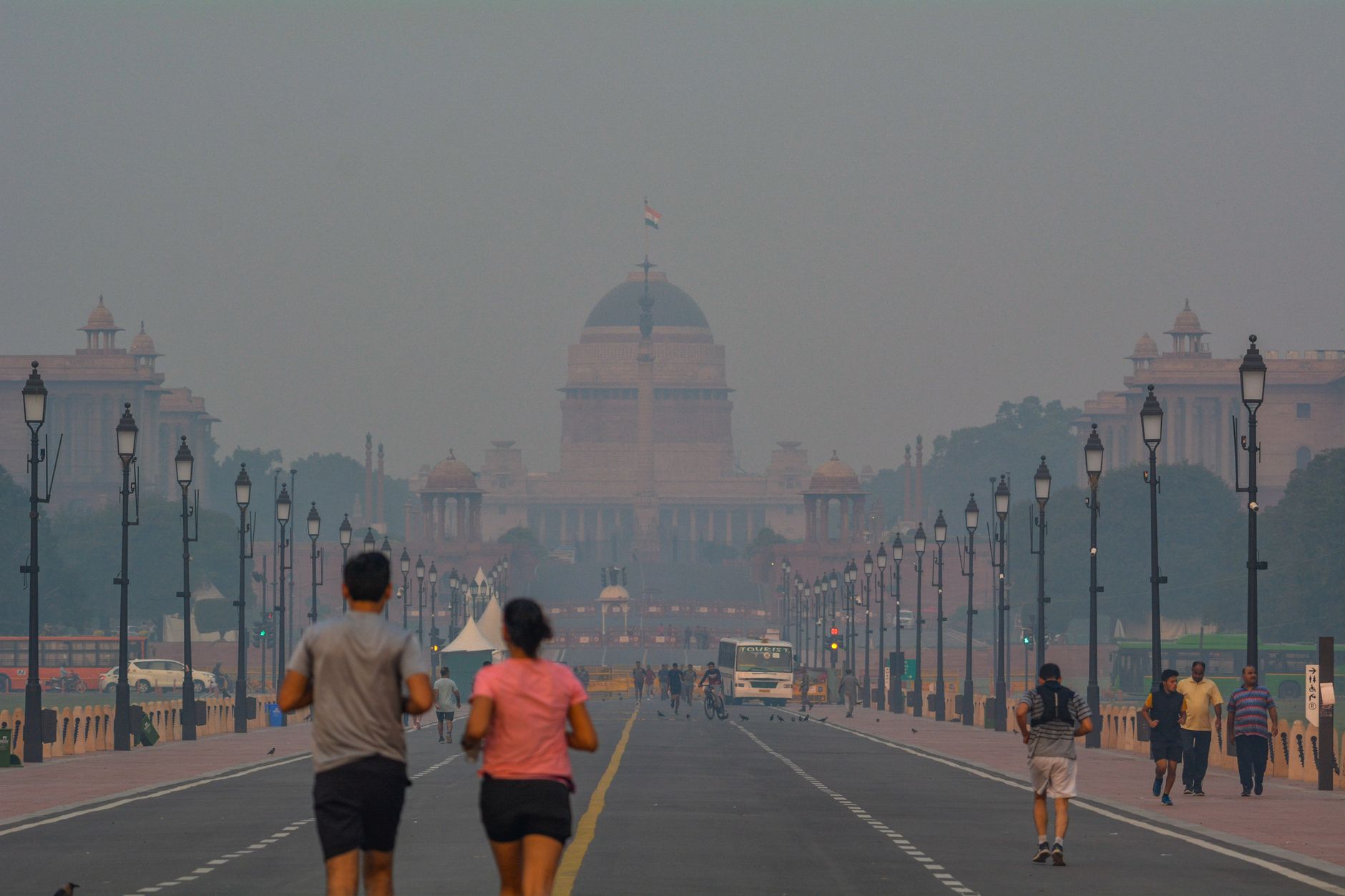
Supreme Court Curtails Centre's Post-Facto Environmental Clearances
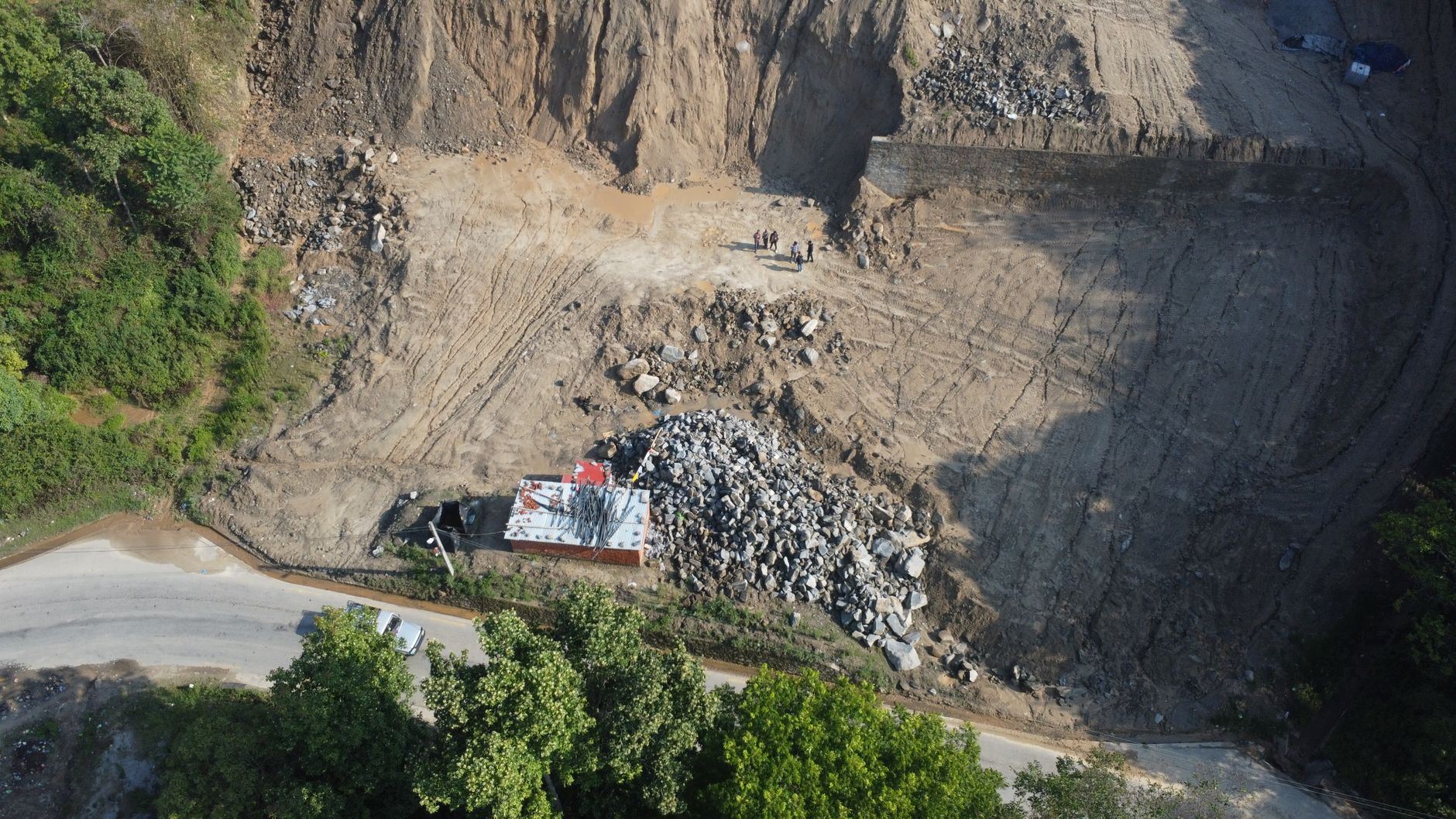
In a significant ruling, the Supreme Court of India has clarified the legal pathway for post-facto environmental clearances, insisting that such approvals must be anchored in statutory notifications rather than administrative decrees. This decision arose from the court's quashing of a controversial 2021 Office Memorandum which had sought to legitimise infrastructure projects that commenced without prior environmental clearance.
Delivering its verdict, the court emphasised that the Central Government indeed possesses the legislative authority to structure a mechanism for post-facto clearances. However, such a framework must adhere strictly to the Environment (Protection) Act, 1986. Specifically, Section 3 of the Act mandates that any significant alterations in environmental clearance protocols must be executed through statutory notifications.
The Importance of Prior Clearances
The ruling is a stark reminder of the necessity for prospective environmental checks. By ensuring that projects do not bypass initial assessments, the court aims to safeguard ecological balance and prevent potential environmental degradation. This decision reflects a judicial commitment to uphold stringent environmental standards, despite economic and infrastructural pressures.
The 2021 memorandum had attempted to introduce a more lenient approach by allowing projects to seek approval post-initiation. Critics argued that such a move could lead to irreversible environmental harm, as projects might proceed without proper scrutiny.
Repercussions of the Ruling
Existing projects that had been granted clearances under the now-invalidated memorandum will remain protected, providing some relief to developers. However, going forward, the requirement for statutory notification adds an additional layer of oversight and compliance.
This verdict not only reinforces legal protocols but also sends a clear message to both governmental bodies and developers: environmental integrity cannot be compromised for expedient development. As India grapples with its development-environment dichotomy, the Supreme Court's ruling underscores the judiciary's pivotal role in mediating this balance.