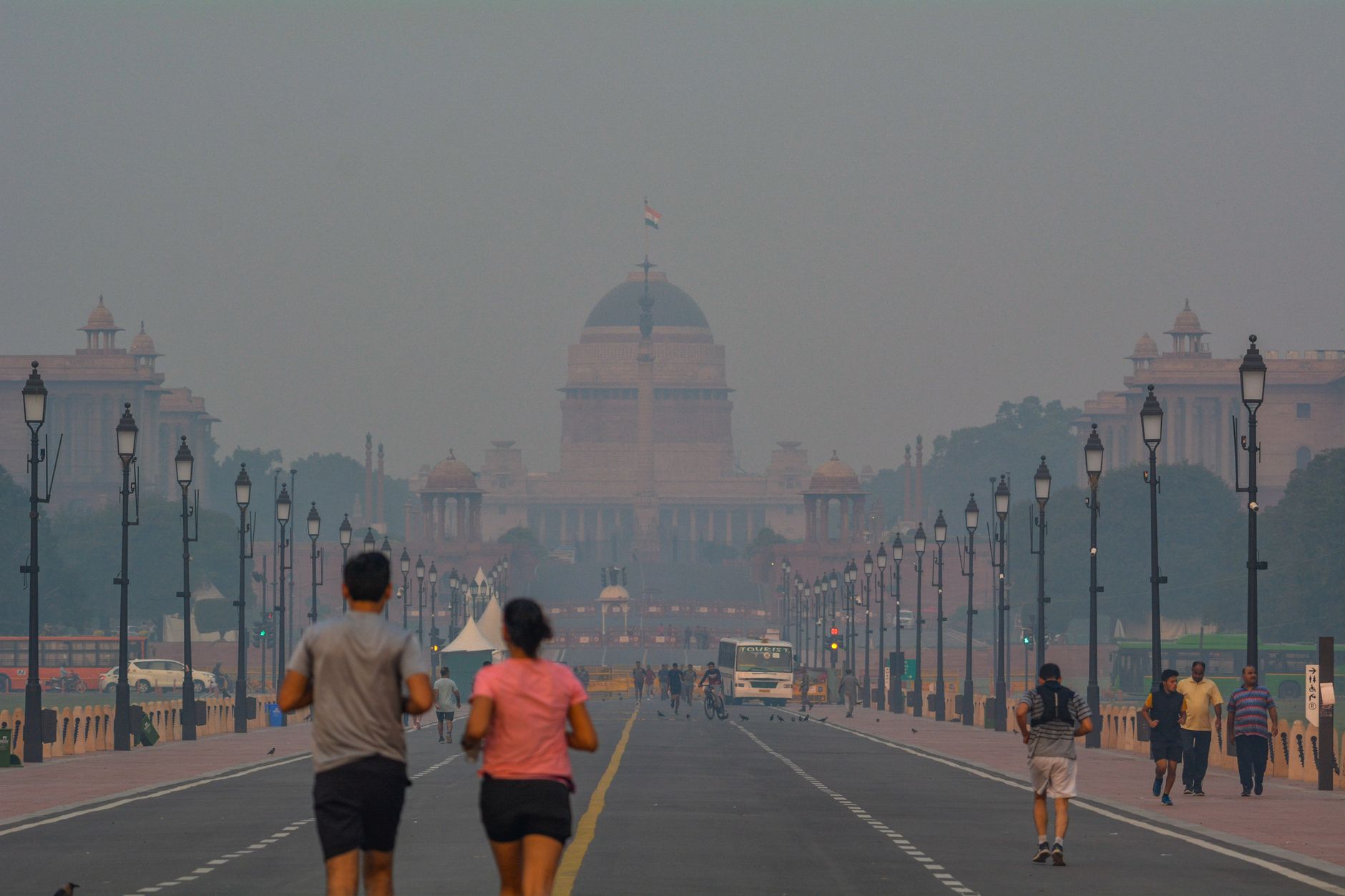
Supreme Court Demands Clarity on Environment Relief Fund Usage
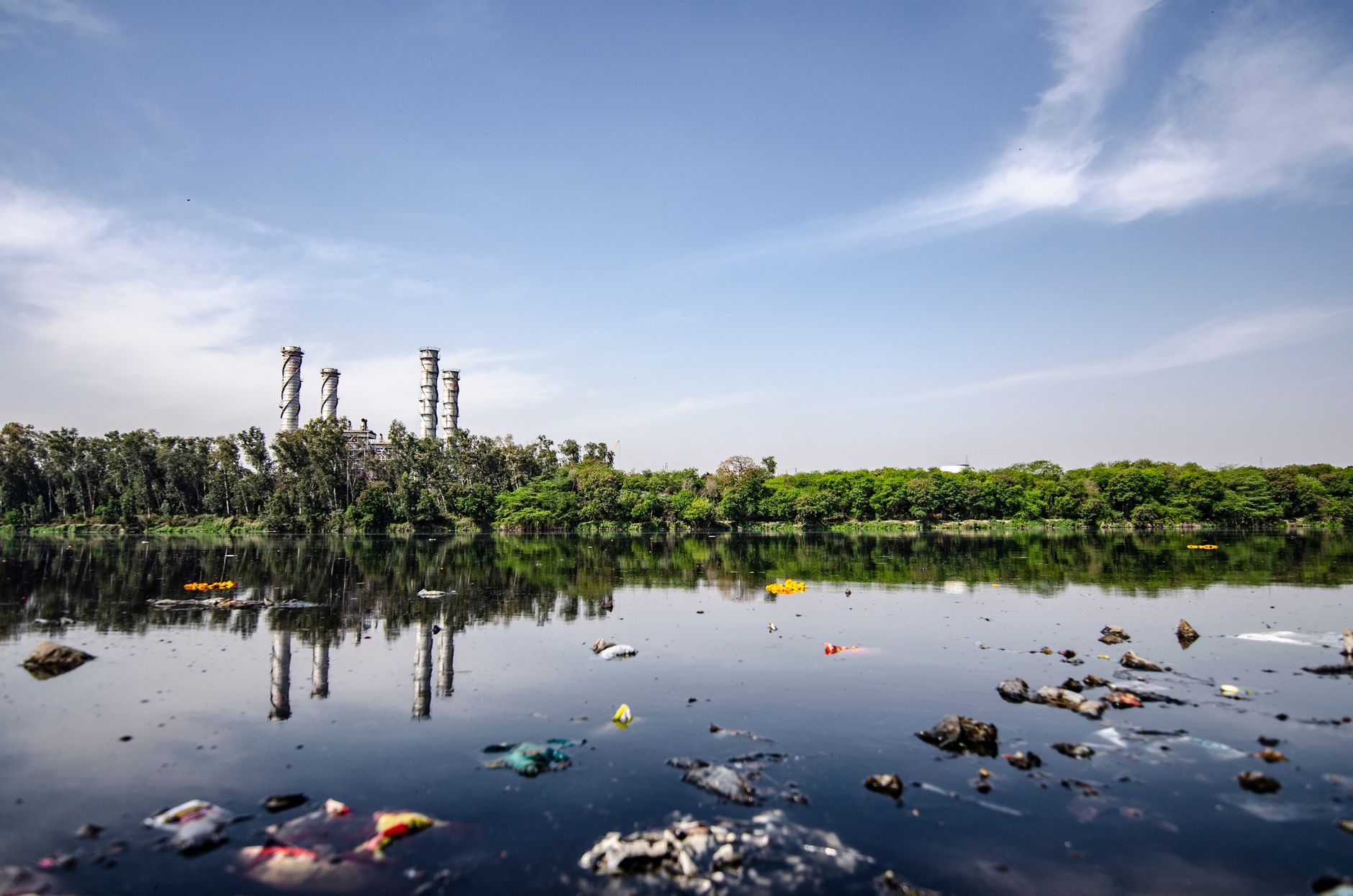
In a move that underscores the judiciary's role in environmental governance, the Supreme Court of India has directed the Union government and the Central Pollution Control Board (CPCB) to provide a comprehensive affidavit on the utilisation of the Environment Relief Fund (ERF). This fund, established over two decades ago, was designed to assist victims of accidents involving hazardous substances. However, its substantial corpus, reportedly exceeding Rs 1,000 crore, remains largely unutilised.
The directive comes in response to a Public Interest Litigation (PIL) that questions the apparent inaction in deploying these funds for their intended purpose. Claiming that the victims of industrial accidents have seen little to no relief, the PIL has catalysed a judicial inquiry into whether a procedural framework exists for disbursing the funds.
Unanswered Questions
Justice has long been a slow process in India, particularly concerning environmental issues. The Court's demand for clarity reflects broader concerns about accountability and governance. The ERF's creation under the Public Liability Insurance Act was heralded as a significant step towards ensuring that those affected by hazardous incidents receive timely compensation. Yet, the silence over its deployment speaks volumes.
Legal experts suggest that the lack of a robust mechanism for administering the fund is symptomatic of a larger bureaucratic inertia. The Court's insistence on a detailed affidavit is a step towards resolving this inertia, seeking answers on how the funds are to be managed and the reasons behind their non-disbursal.
A Call for Transparency
The Supreme Court's intervention may well serve as a catalyst for change, compelling the authorities to establish clear guidelines for the fund’s utilisation. As environmental hazards continue to pose significant risks, the need for a proactive approach becomes ever more pressing. The Centre and the CPCB are now on notice to provide concrete answers, potentially setting a precedent for future cases concerning environmental and public safety funds.
While the Court's intervention is promising, the ultimate test will be in the execution of any proposed solutions. The coming months will reveal whether this judicial nudge translates into real-world accountability and support for those who need it most.