Supreme Court Demands Explanation from Education Secretary
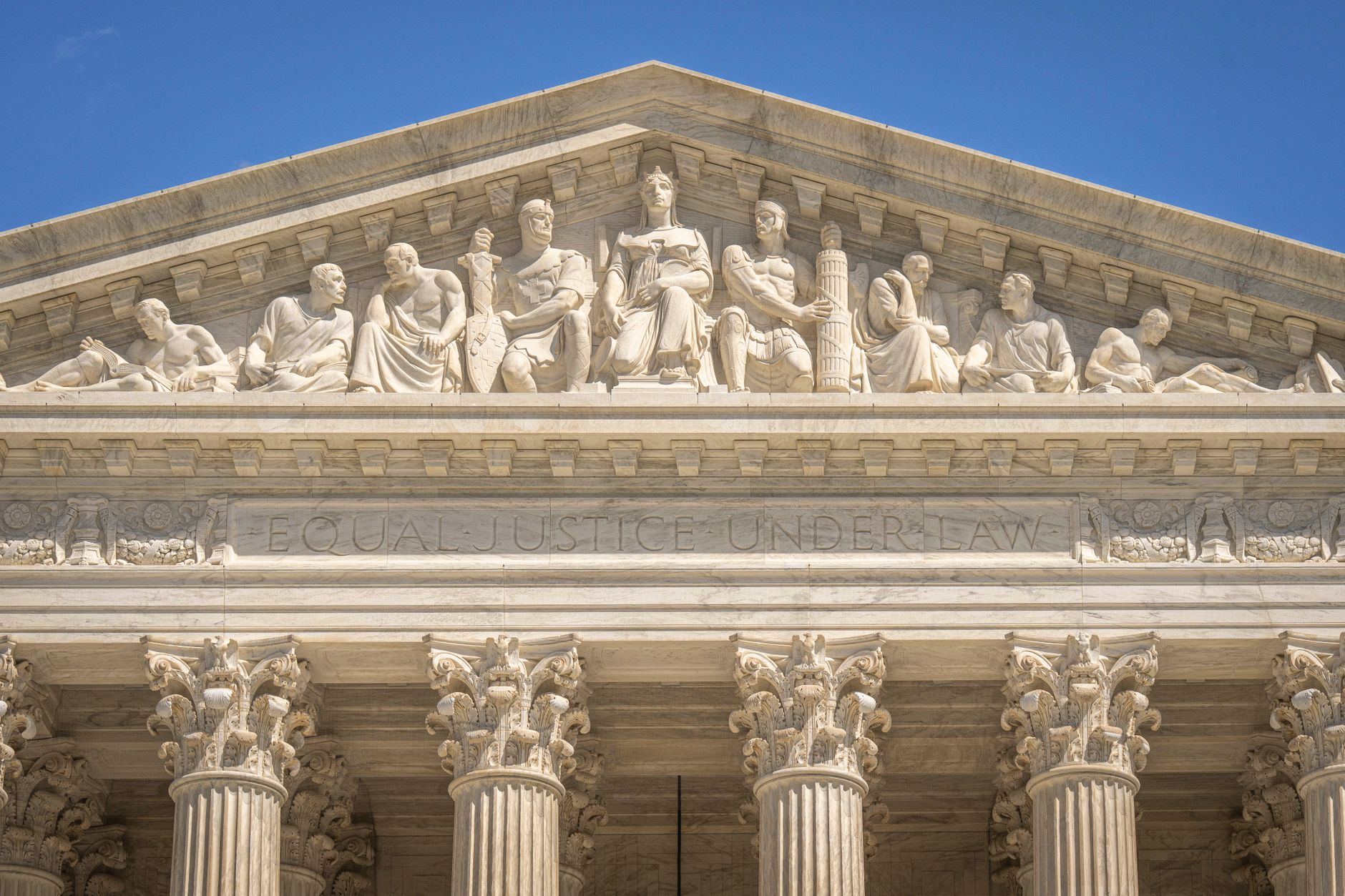
The Supreme Court of India, in a noteworthy development, has issued a contempt notice to T.K. Anil Kumar, the Union School Education Secretary. This action stems from an alleged failure to act on a court directive concerning the regulation of educational institutions imparting secular and religious education to children below the age of 14.
The controversy hinges on a plea submitted by advocate Ashwini Upadhyay, which calls for the mandatory registration and monitoring of all educational establishments catering to this young demographic. Upadhyay's plea argues that such measures are essential to ensure that educational standards are met across the board, preventing misuse under the guise of religious instruction.
In its notice, the Supreme Court has sought an explanation for the apparent inaction, highlighting the gravity of the situation given the potential impact on a significant portion of the nation's youth. The court's involvement is a stark reminder of the judicial system's role in ensuring governmental compliance with legal mandates.
Education, a cornerstone of societal progress, remains a contentious sphere in India, where secular and religious instruction often intersect with legal, ethical, and cultural considerations. The current case underscores the delicate balance required to uphold educational integrity while respecting religious freedoms.
Failure to regulate these institutions, as per Upadhyay's plea, could lead to disparities in educational quality and accessibility, ultimately affecting children's development. The Supreme Court's intervention may thus set a precedent, prompting stricter oversight and accountability in the educational sector.
As the Union Education Secretary prepares a response, the nation watches closely, aware that the outcomes of this legal tussle could have far-reaching implications for the future of education in India.