Supreme Court Halts Ex Post Facto Environmental Clearances
In a striking blow to bureaucratic expediency, the Supreme Court of India has invalidated the practice of granting ex post facto environmental clearances. The landmark ruling, delivered on 29th July 2026, nullifies the 2021 Office Memorandum by the Union Ministry of Environment, Forest, and Climate Change, which had allowed projects to retroactively seek environmental approvals.
This ruling is poised to reshape the regulatory framework surrounding environmental clearances in India. The court's decision comes at a time when environmental governance is under intense scrutiny, particularly with regards to the management of over Rs 1,000 crore in the Environmental Relief Fund. The court has demanded a detailed affidavit from the central government and the Central Pollution Control Board (CPCB) on the utilisation of these funds.
Environmental Governance in Question
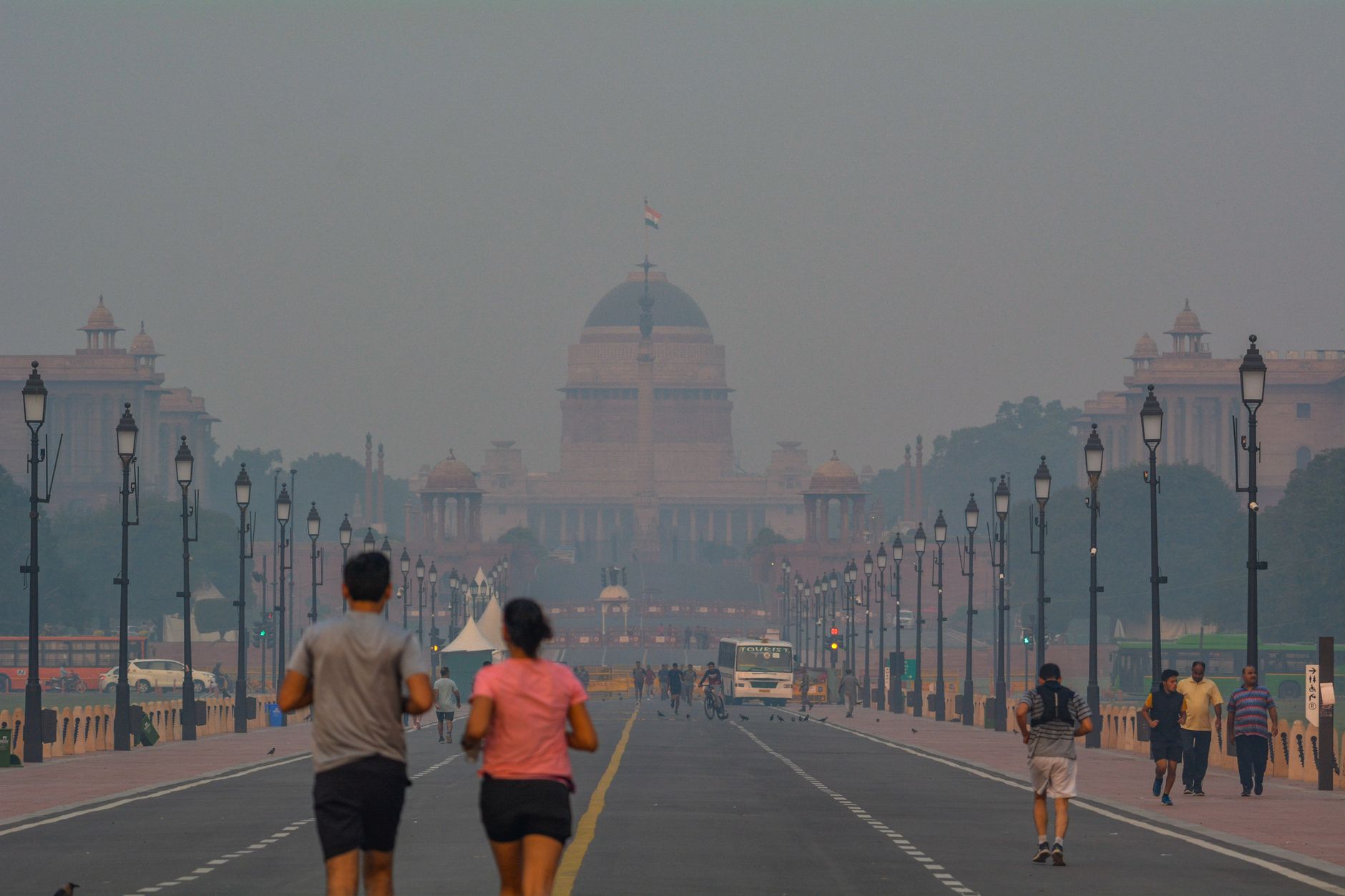
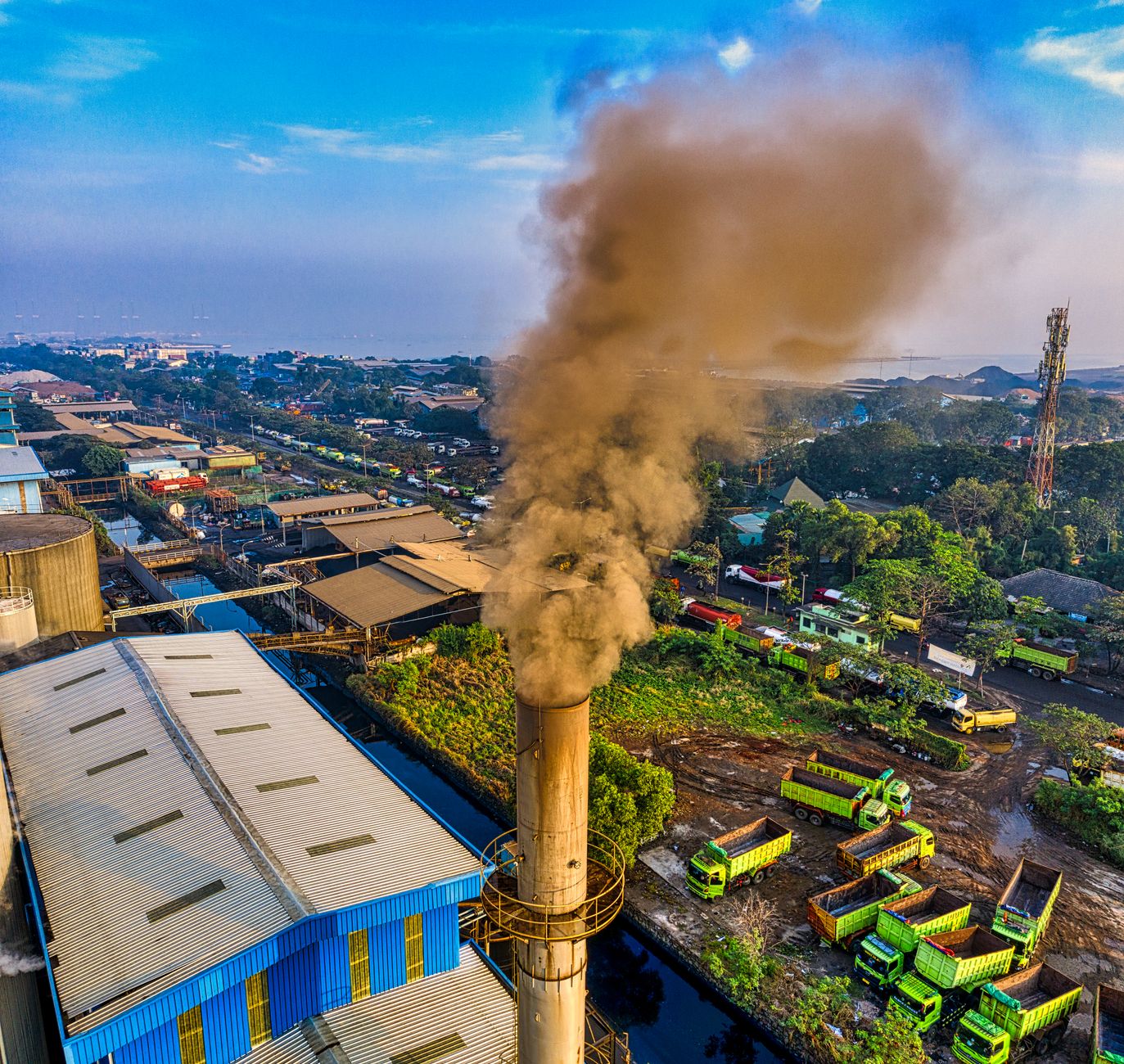
Meanwhile, the National Green Tribunal has taken action against the mismanagement of waste at Amritsar's Bhagtanwala dump, which has been a persistent source of pollution and public health concern. The tribunal has issued orders addressing the severe air pollution emanating from a cement mixing plant near a residential complex in Kolkata, highlighting the need for stringent regulatory oversight.
The Supreme Court's judgement is expected to have far-reaching implications, compelling industries to comply with environmental norms before commencing operations. This decisive move underscores the judiciary's role in upholding environmental integrity and enforcing accountability. As India grapples with its environmental challenges, this ruling could serve as a catalyst for more robust policy reforms.
Looking Ahead
While the court's decision is a step towards more responsible environmental governance, the effectiveness of its implementation remains a point of concern. Authorities must now ensure that regulatory frameworks are not only strengthened but also enforced with rigour. As the nation navigates these environmental challenges, the judiciary's proactive stance may well steer India towards a more sustainable future.