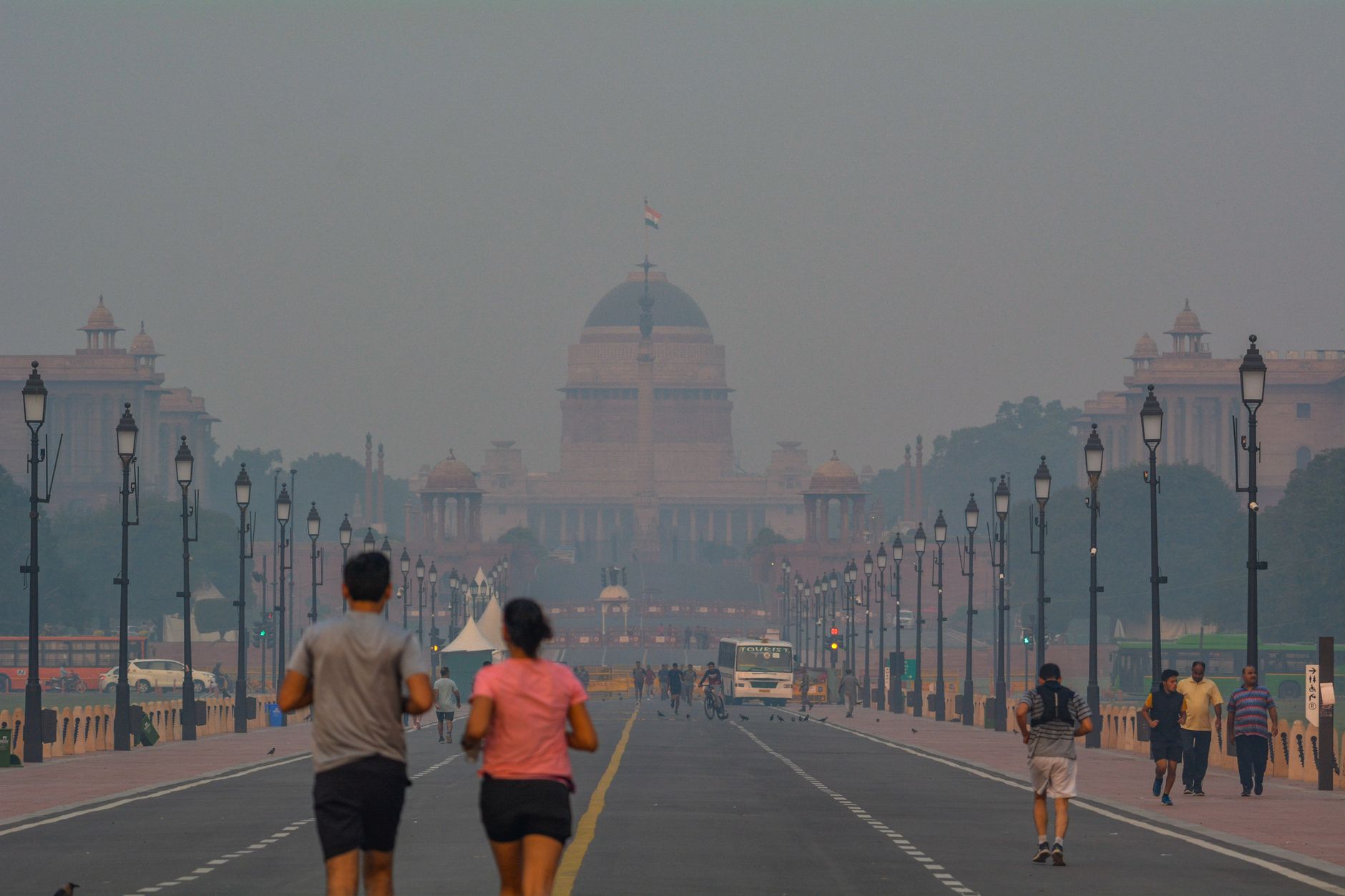
Supreme Court Halts Retrospective Environmental Clearances
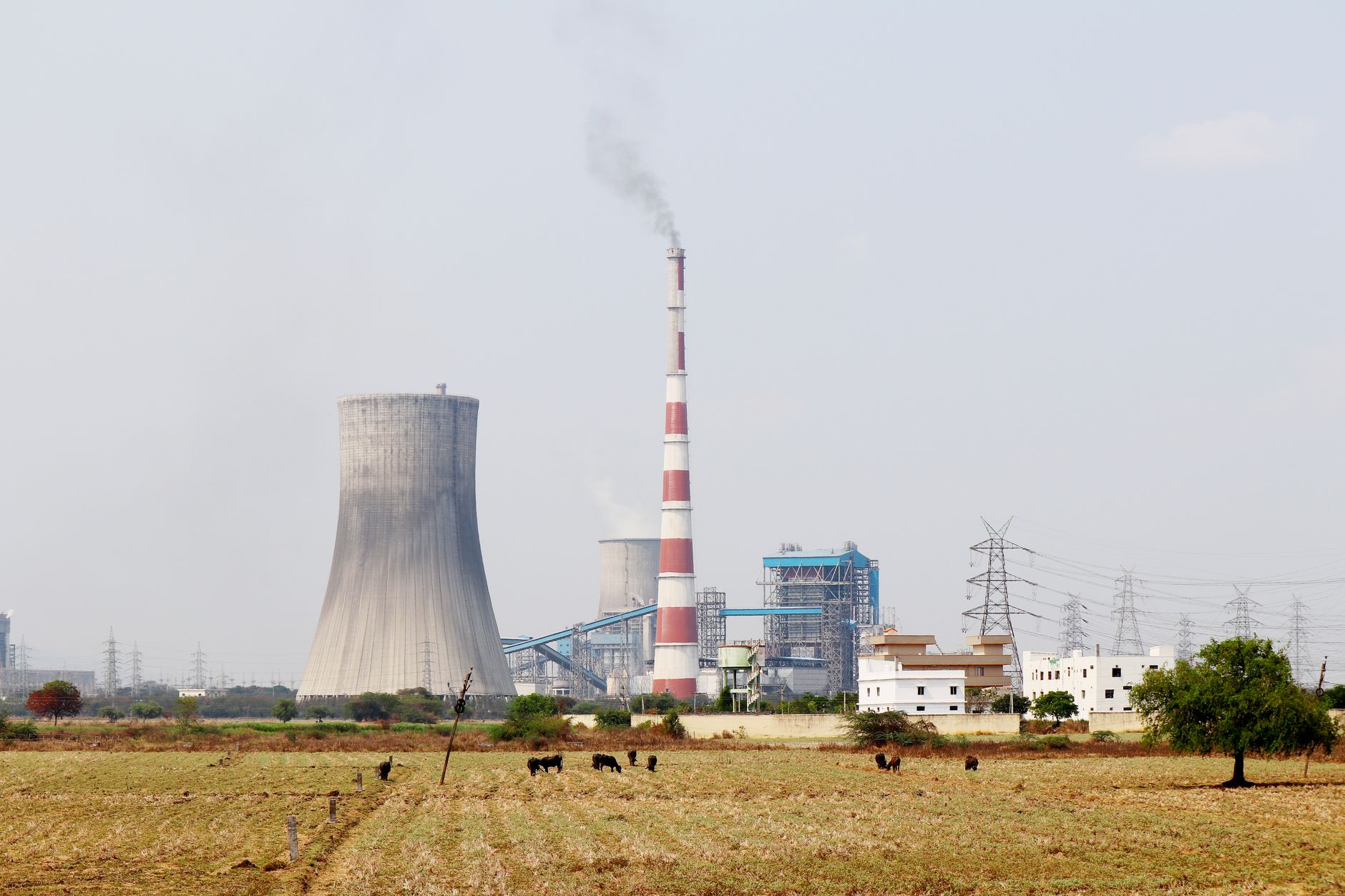
In a landmark judgement, the Supreme Court of India has decisively quashed the Centre’s 2021 Office Memorandum that allowed retrospective environmental clearances. The court declared the memorandum ultra vires the Environment (Protection) Act, 1986, effectively curbing the practice of granting post-facto approvals to projects that had commenced without prior environmental nods.
The ruling has sent a clear message: environmental assessments must precede project initiation, not follow it. The bench, led by Chief Justice N.V. Ramana, emphasised the need for stringent adherence to the Environment Impact Assessment (EIA) Notification, 2006, which mandates thorough evaluation before any project can break ground.
The Court's Reasoning
In its judgement, the court underscored the constitutional right to a pollution-free environment, asserting that retrospective clearances undermine this principle. It acknowledged, however, that there might be genuine cases of public interest where exceptions could be warranted. For such cases, the court suggested a carefully regulated, time-bound statutory framework, rather than a blanket allowance.
By invalidating the 2021 memorandum, the court has reaffirmed the balance between development and environmental stewardship. It held that any deviation from the established process threatens not only legal norms but also the ecological equilibrium.
Implications for Future Projects
This ruling is a pivotal moment for India's environmental governance. Developers must now ensure compliance with environmental norms from the onset, a move likely to enhance transparency and accountability. While the decision protects past clearances granted under the memorandum, future projects will face increased scrutiny.
Environmental advocates have hailed the decision as a victory for sustainable development. They argue that preemptive environmental checks are crucial for safeguarding natural resources and promoting responsible industrialisation.
In conclusion, the Supreme Court's judgement marks a significant step towards reinforcing the legal framework governing environmental protection in India. It serves as a stern reminder that economic progress cannot come at the expense of the environment, and underscores the judiciary's role as a guardian of ecological justice.