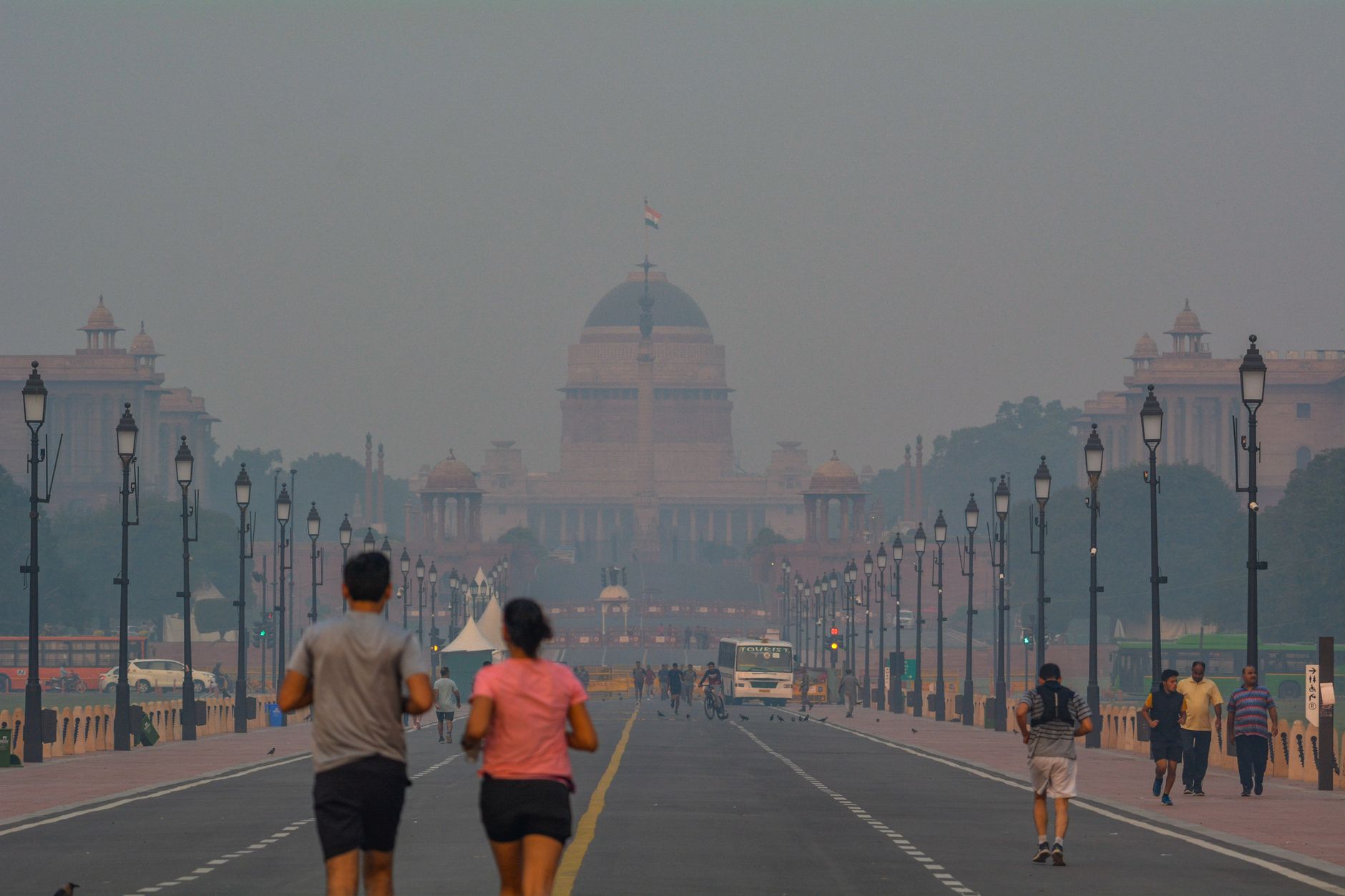
Supreme Court Overturns Retrospective Green Clearance Rule
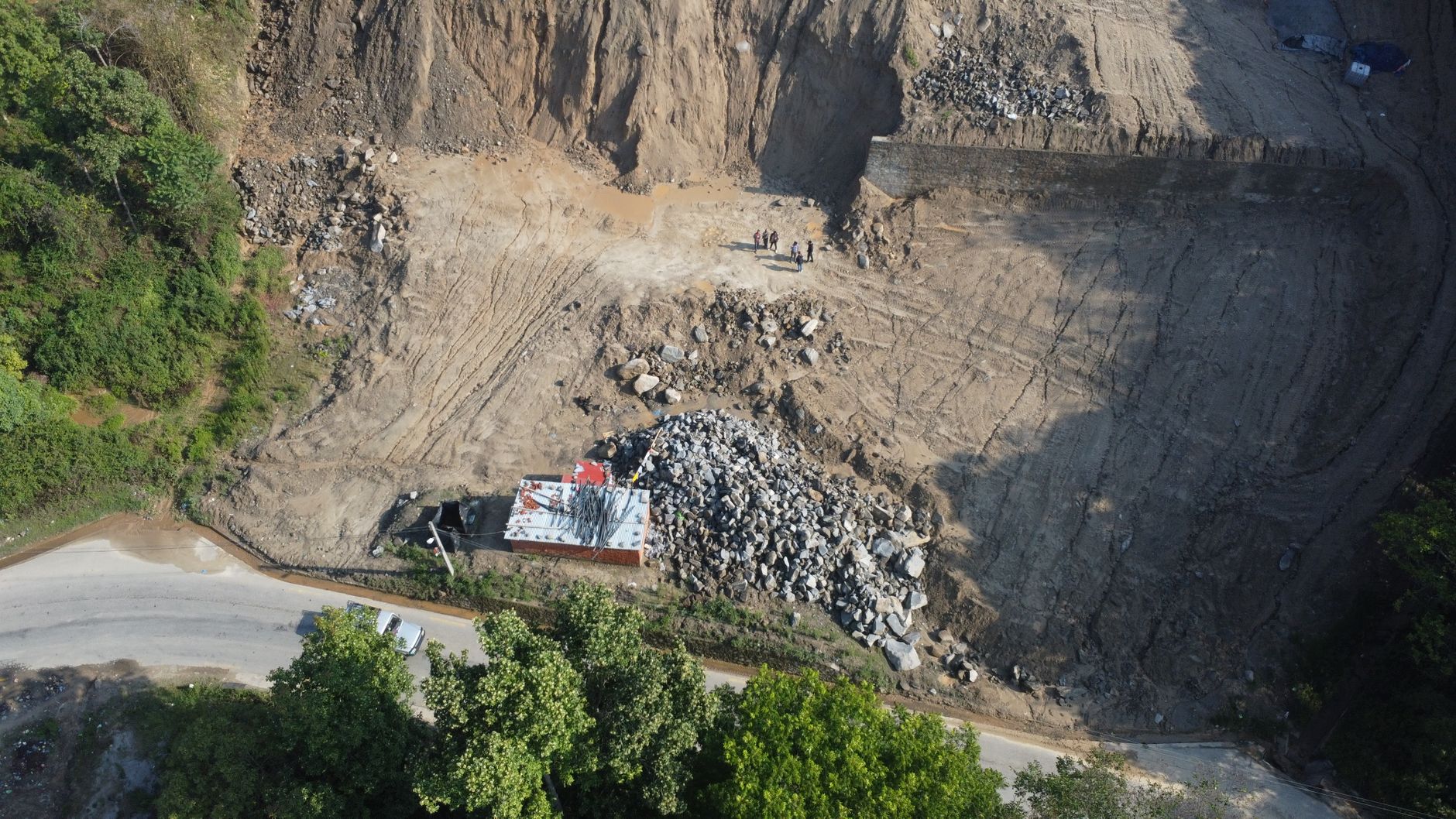
In a decision that underscores the judiciary's role in safeguarding environmental integrity, the Supreme Court has struck down the 2021 Office Memorandum issued by the Centre, which allowed for retrospective environmental clearances. This memorandum had provided a mechanism for projects that had commenced without initial environmental approvals to seek clearance after the fact.
The verdict, delivered on Wednesday, has been hailed as a reaffirmation of the rule of law, emphasising that environmental protection cannot be compromised by administrative expediency. By ruling the memorandum as illegal, the Supreme Court has signalled that environmental compliance is not merely a procedural formality but a fundamental requirement.
The Implications of the Ruling
The court's decision has far-reaching implications for both developers and environmentalists. For the former, it serves as a stark reminder of the necessity to secure environmental clearances before breaking ground. For the latter, it is a victory, reinforcing their long-standing argument that retrospective clearances undermine the very essence of environmental regulations designed to prevent harm before it occurs.
Justice is not served when projects that have already begun operations are given a free pass, the court observed. The Environment (Protection) Act, the court noted, allows for exceptions, but these must be narrowly tailored and enacted through statutory notifications, not mere office memos.
A Call for Stricter Environmental Governance
This landmark ruling may prompt a more stringent approach to environmental governance in India. By reinforcing the legal requirement for prior environmental clearances, the Supreme Court has effectively closed a loophole that many developers had exploited. The decision also highlights the importance of transparency and accountability in the approval processes for large-scale projects.
While the ruling does allow for retrospective clearances in genuine public-interest cases, it significantly narrows the scope for such exceptions, thus ensuring that the environment is not compromised for convenience. As India continues to balance development with sustainability, this decision serves as a crucial reminder of the environmental responsibilities that accompany economic progress.