Supreme Court's Contempt Notice to Education Secretary Sparks Debate
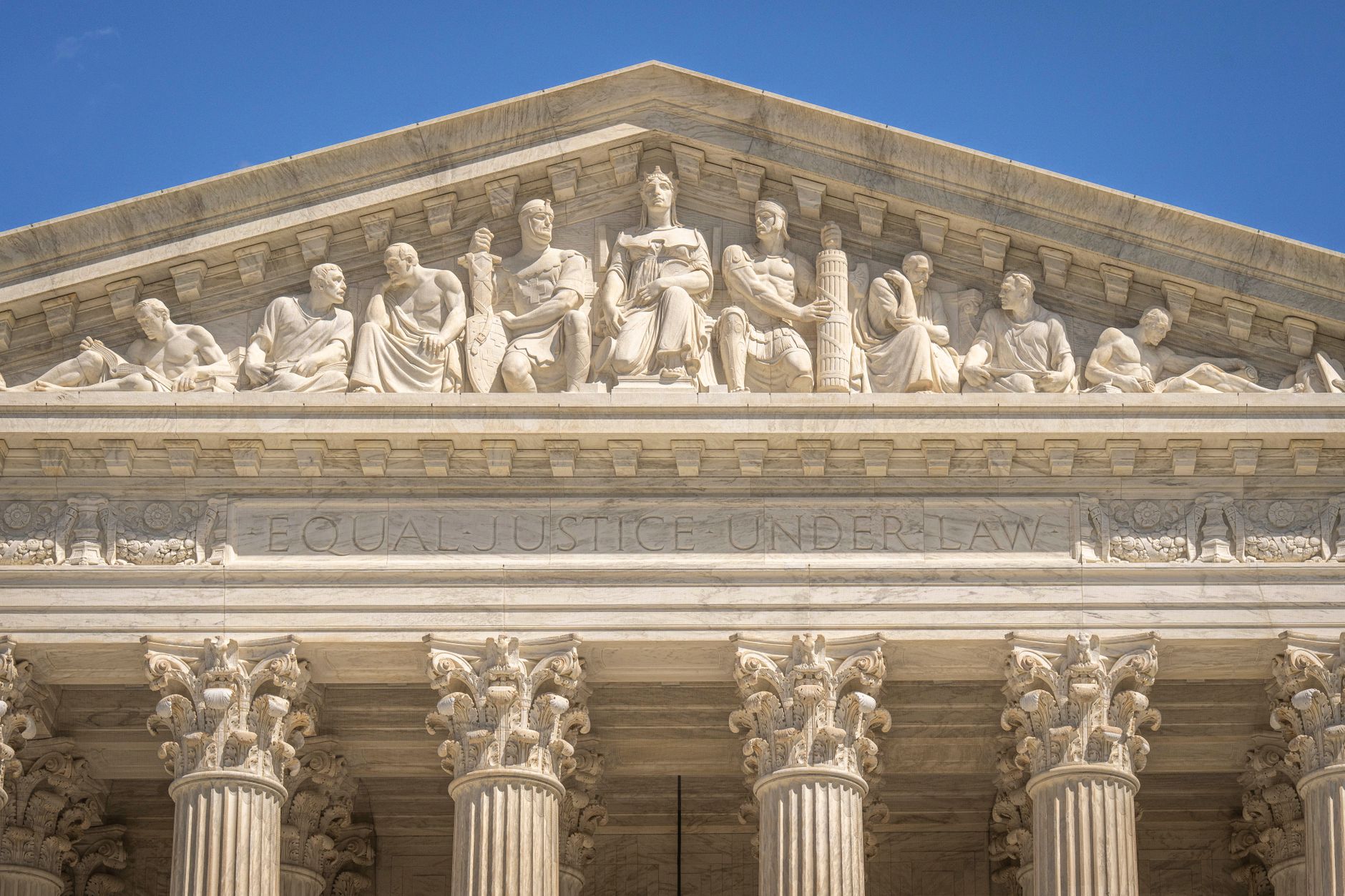
The Supreme Court of India has turned its gaze firmly upon the Union Education Secretary, T.K. Anil Kumar, issuing a contempt notice for alleged non-compliance with a directive aimed at regulating religious education institutions. This development springs from a petition by advocate Ashwini Kumar Upadhyay, who sought judicial intervention to ensure educational oversight.
The case centres around the registration and regulation of institutions imparting both secular and religious education to children under the age of 14—a mandate grounded in the constitutional right to education. Upadhyay's plea underscores the necessity for governmental accountability in adhering to judicial orders, especially those affecting the educational landscape.
Judicial Scrutiny and Governmental Responsibility
The Supreme Court's action raises pertinent questions about the balance of power between the judiciary and the executive branch. While the court's role is to interpret and enforce laws, it also relies on governmental agencies to operationalise its directives. In this instance, the court has sought to remind the Ministry of Education of its obligations, emphasising the critical nature of compliance.
The Broader Implications
This notice does not merely reflect on the individual case but serves as a wider commentary on the state's role in regulating educational quality. With the increasing proliferation of educational institutes, particularly those offering religious instruction, the need for a robust regulatory framework becomes ever more pressing.
The proceedings have sparked a debate on the autonomy of religious institutions versus the state's responsibility to ensure quality education for all children. As the situation unfolds, the outcome may well set a precedent for how similar cases are handled in the future, potentially reshaping the educational framework across India.
As the court awaits a response from the Education Secretary, observers are keenly watching for signals on how this interplay between the judiciary and the executive might influence policy and practice in the educational sector.