Surprising Impact of Organic Eggs on Climate Revealed
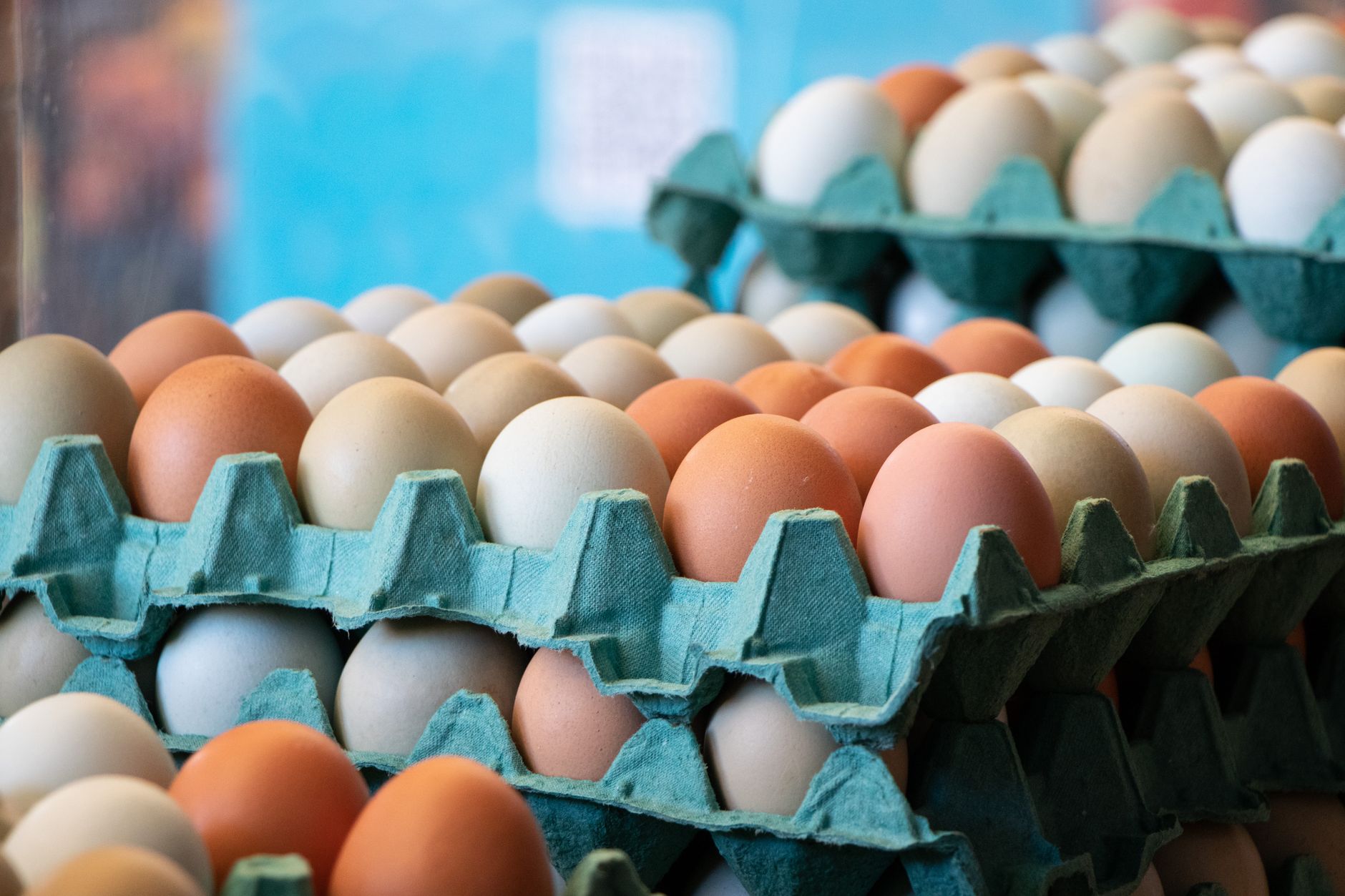
In the perennial debate over the environmental impact of food production, organic eggs have long been heralded as a more sustainable choice. Yet, a recent study has turned this notion on its head, suggesting that organic eggs might, in fact, be more detrimental to the climate than their caged counterparts.
The crux of the issue lies in efficiency. Caged chickens, often criticised for the conditions in which they are kept, are remarkably efficient at producing eggs. The study indicates that organic, free-range systems require significantly more chickens to produce the same number of eggs. This inefficiency translates to increased greenhouse gas emissions, with the study suggesting a potential rise of emissions equivalent to 2,316,000 tonnes of CO2 if the UK were to switch entirely to organic egg production.
The Sustainability Dilemma
Organic farming is traditionally viewed as more environmentally friendly, prioritising animal welfare and avoiding synthetic chemicals. However, the study's findings challenge this view. The increased emissions stem from the greater land use and resources needed for free-range chickens, which consume more feed and require more space.
This revelation complicates the narrative around sustainable food choices. While consumers may opt for organic eggs under the impression that they are supporting a healthier planet, the reality is not so straightforward. The study calls into question whether animal welfare and climate objectives can be aligned without compromise.
Consumer Choices and Environmental Impact
For the environmentally conscious consumer, this poses a dilemma. Is it better to support practices that prioritise animal welfare or those that minimise climate impact? The answer is not clear-cut. The study urges a reevaluation of what it means to make sustainable choices, suggesting that consumers should consider the broader implications of their purchasing decisions.
In the end, the research highlights the complexity of sustainability in food production. As the dialogue around climate change continues to evolve, so too must our understanding of how best to mitigate its effects. Whether this study will lead to a shift in consumer behaviour remains to be seen, but it undoubtedly adds a new layer to the ongoing conversation about food and the environment.