
Swiss Scientists Turn to Sheep's Wool to Preserve Glaciers
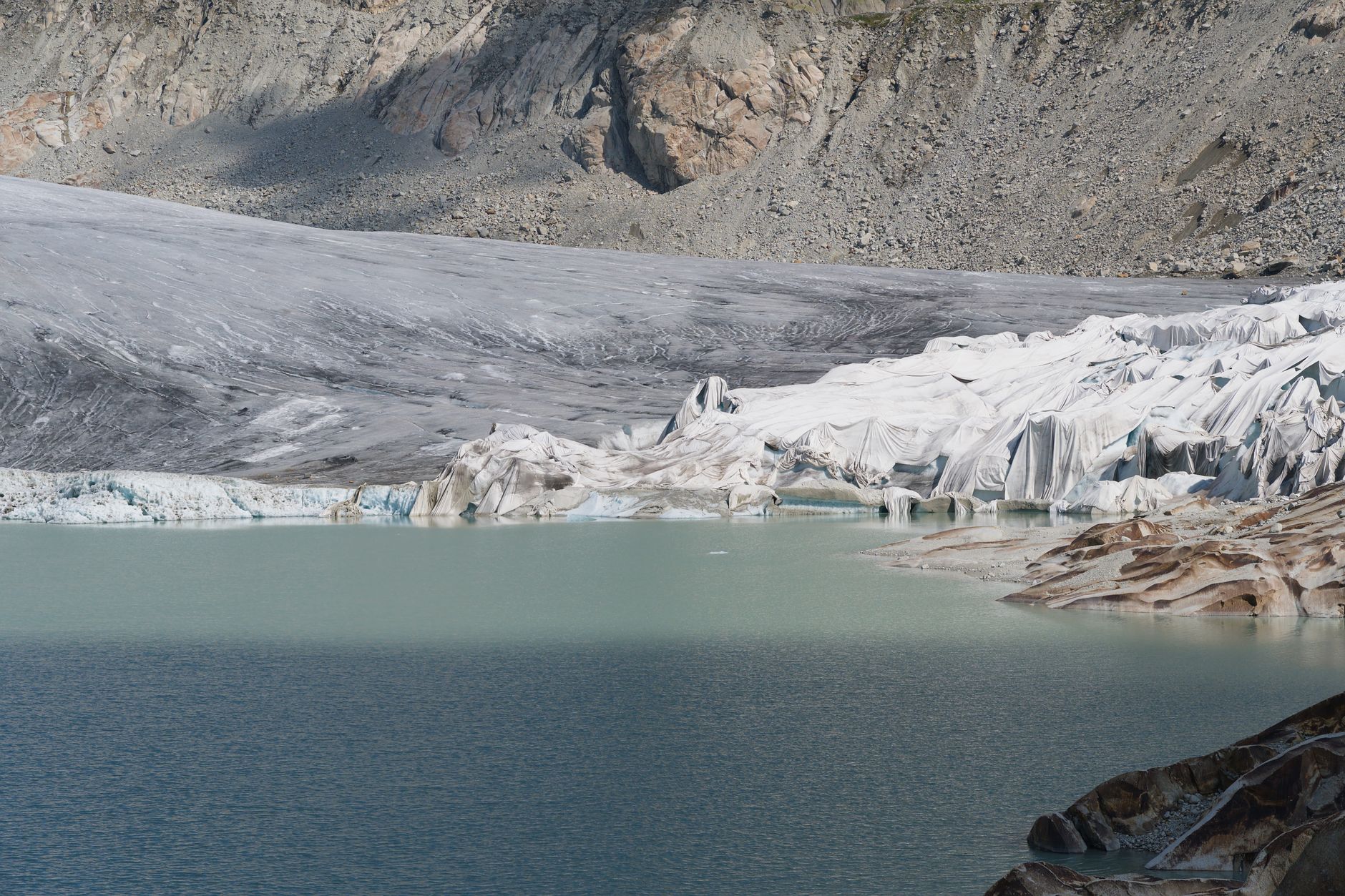
High above the Swiss Alps, where the air is thin and the ice ever in retreat, a team of scientists has embarked on an unusual experiment. Their mission: to cloak a portion of the Tsanfleuron Glacier in an unlikely material – sheep's wool. The aim is to determine whether this homespun solution can stave off the effects of a warming climate.
In a world where synthetic solutions often overshadow natural ones, the choice of wool is both surprising and ingenious. Covering 200 square metres of the glacier, these woollen blankets have shown early promise, proving as effective in slowing ice melt as the conventional plastic tarpaulins typically employed. This revelation could mark a significant shift in glacier preservation strategies.
A Local Resource with Global Implications
Switzerland, a nation known for its precision engineering and innovative spirit, is turning to one of its more humble resources. Sheep's wool, often discarded as a by-product of the sheep farming industry, has been repurposed in a bid to combat the dwindling ice reserves. The 'Keep It Wool' project, as it has been dubbed, could potentially offer a scalable and environmentally friendly alternative to the plastic covers that currently dominate glacier protection efforts.
While the initial results are encouraging, the broader implications are profound. Should wool prove viable on a larger scale, it might reduce the plastic footprint left by traditional methods, aligning glacier conservation with the global push towards sustainability.
Beyond the Alps
The success of this experiment could have rippling effects beyond the picturesque valleys of Switzerland. With glaciers melting at alarming rates worldwide, a sustainable, biodegradable solution could become a global standard. Countries with similar glacial landscapes might look to replicate this approach, harnessing local resources in their fight against climate change.
As scientists continue their work on the Tsanfleuron Glacier, the world watches with bated breath. This woollen experiment, born from necessity and innovation, could well become a beacon of hope in the ever-challenging quest to preserve our planet's natural wonders.


