
Swiss Scientists Use Sheep Wool to Guard Glaciers Against Melting
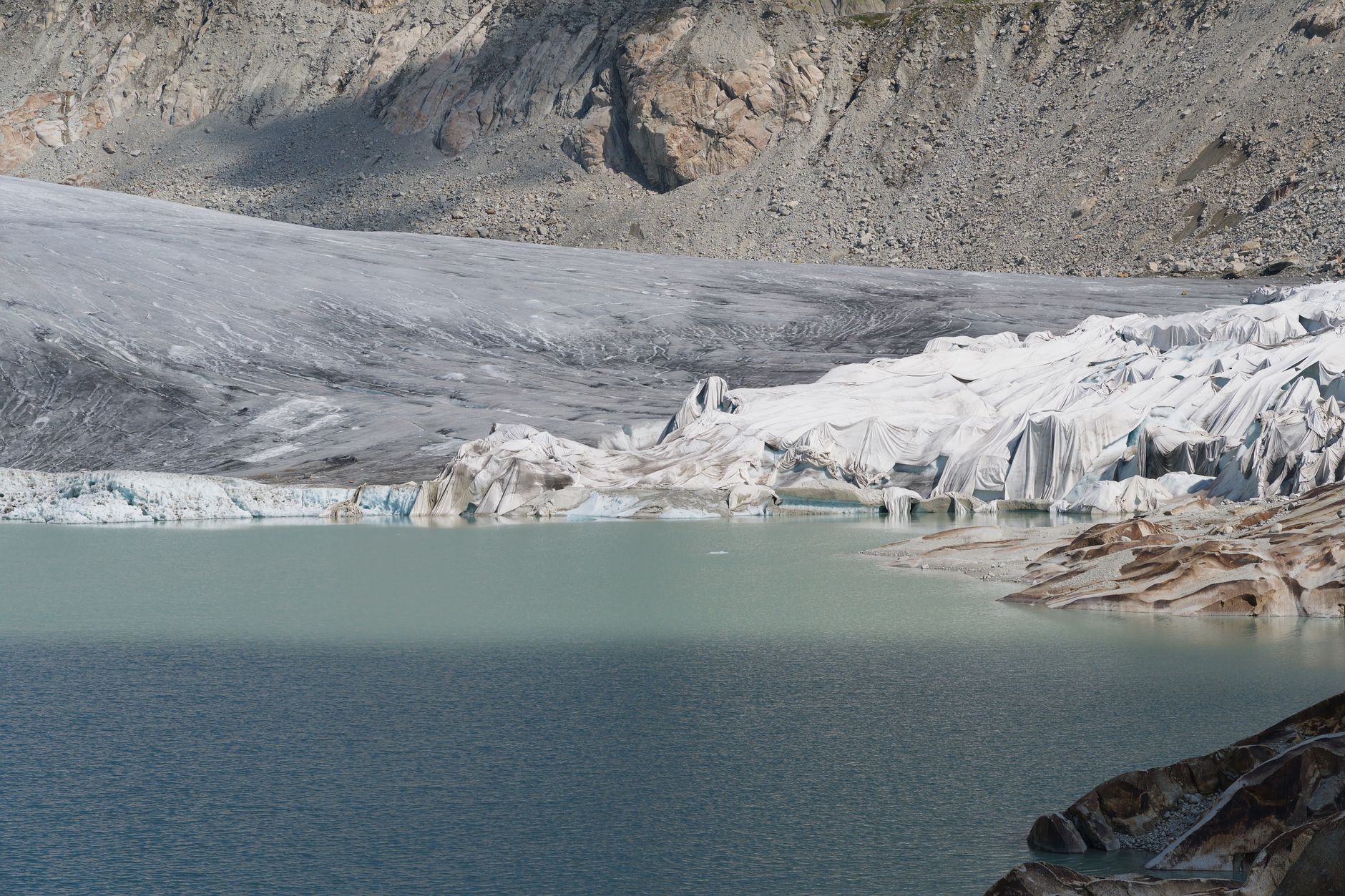
In the thin mountain air of Switzerland's Tsanfleuron Glacier, an unusual experiment is quietly unfolding. Swiss scientists, in a bid to combat the relentless retreat of their country's glaciers, have turned to an unexpected ally: sheep's wool.
Covering 200 square metres of the glacier with this natural material, researchers have discovered that the wool performs just as effectively as its synthetic counterparts in slowing summer melting. This revelation could herald a new, more sustainable approach to glacier preservation in the face of escalating climate change.
A Woollen Shield
The experiment, part of the 'Keep It Wool' initiative, aims to explore biodegradable alternatives to plastic sheets commonly used to protect glaciers. The findings so far have been promising. Early tests indicate that wool blankets can slow the melting process, providing a protective layer that is not only effective but also environmentally friendly.
Dr. Helga Müller, leading the research team, explained, "The idea was to utilise a resource that is abundant and often discarded. Sheep's wool, which is locally sourced, offers a practical and green solution to a pressing problem."
Potential Implications
While the experiment is still in its nascent stages, the implications of this discovery could be significant. If proven scalable, this method could offer a way to protect not only Swiss glaciers but also ice formations globally, which are crucial to regulating the Earth's climate.
Moreover, this approach highlights the potential of integrating traditional materials into modern environmental strategies. This innovative use of wool not only addresses the issue of glacier preservation but also supports local economies and reduces waste.
As the world continues to grapple with the effects of global warming, such inventive solutions may become increasingly vital. For now, the Swiss Alps serve as a testing ground, and the initial results are nothing short of encouraging.


