Syria and Russia: A Strategic Shift in the Middle East
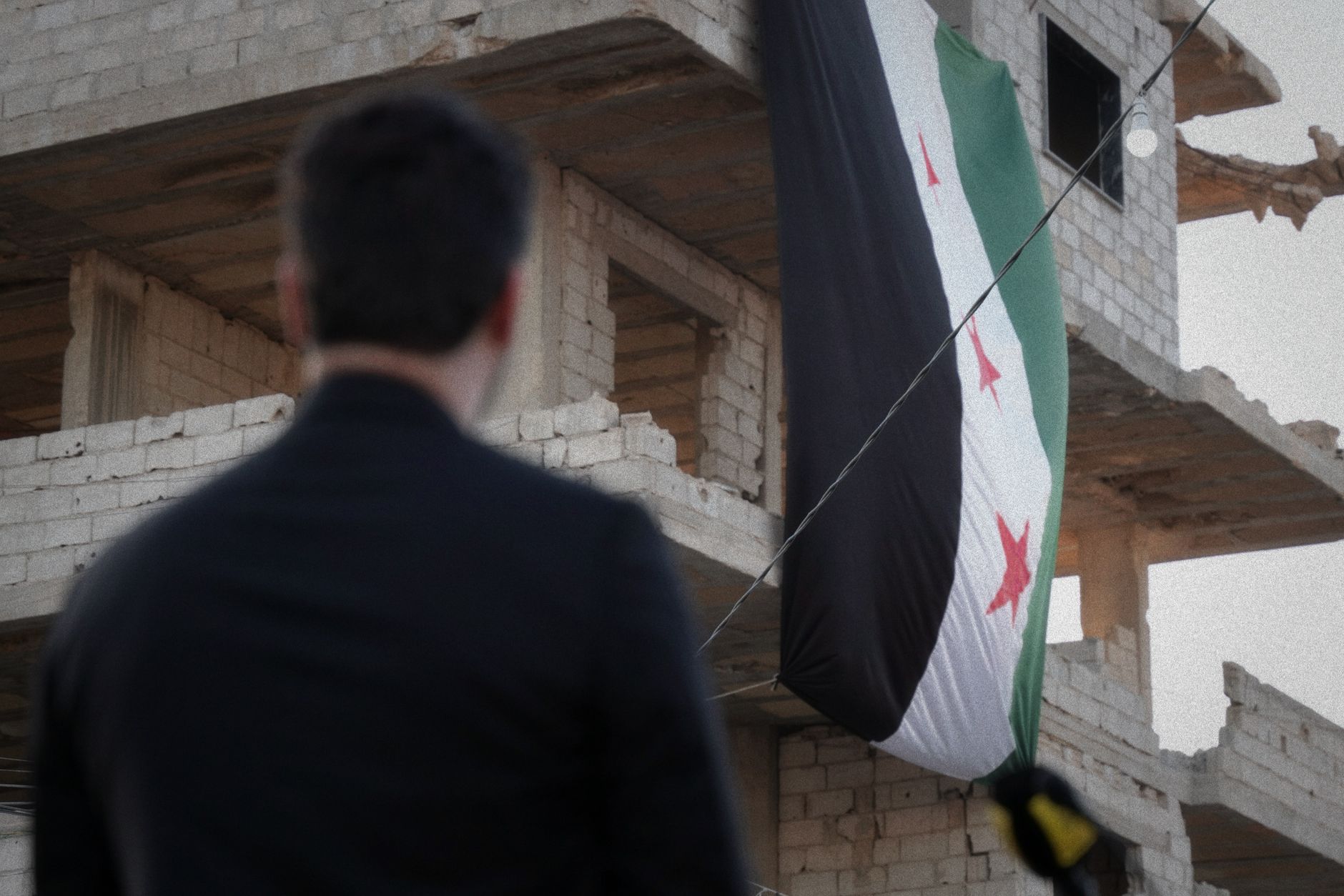
The ink is barely dry on a new accord between Syria and Russia, yet its implications are already rippling across the region. This recent understanding, reached after a marathon 18-month negotiation, revolves around the future of Russian military bases in Syria. A strategic reorganisation, if you will, that sees Syria taking the reins of control over the Hmeimim airbase and the commercial berth at Tartus port.
These developments follow the gradual drawdown of Russian troops post-Assad's ousting, leaving behind a skeletal force stationed at two key bases. The memorandum of understanding not only reshapes the military landscape but also signals a deeper integration of these sites into Syria's civil administration. Damascus will assume operational responsibilities, albeit with Moscow's continued strategic oversight.
Why now, one might ask? The timing is crucial. With global attention diverted, perhaps this is an opportune moment for both nations to recalibrate their military and diplomatic ties. For Syria, this accord represents a step towards asserting greater sovereignty and redefining its post-conflict identity. For Russia, it maintains its foothold in the Middle East, a region where it has long sought influence.
The Geopolitical Chessboard
In the ever-shifting sands of Middle Eastern politics, alliances and power plays are the name of the game. The Syrian-Russian accord is a testament to the intricate dance of diplomacy and strategy. While the world watches, the agreement could potentially alter regional dynamics, impacting relations with neighbouring countries and beyond.
Russia's continued presence in Syria underscores its commitment to preserving its strategic interests in the Mediterranean. This is not merely a military foothold; it's a statement of intent, a signal to both allies and adversaries alike. Syria, on the other hand, stands to benefit from increased autonomy while ensuring Russian support in rebuilding its war-torn infrastructure.
What Lies Ahead?
As the transition period unfolds, the world will watch closely to see how this accord manifests in practical terms. Will it herald a new era of stability in the region, or merely shift the chess pieces around? The answers may not be immediate, but the significance of this accord is undeniable.
In the grand tapestry of international relations, Syria and Russia's renewed pact is a thread worth unravelling, one that could weave a new pattern in the Middle Eastern fabric.