T. rex's Tiny Arms: A Giant Leap for Dinosaur Understanding
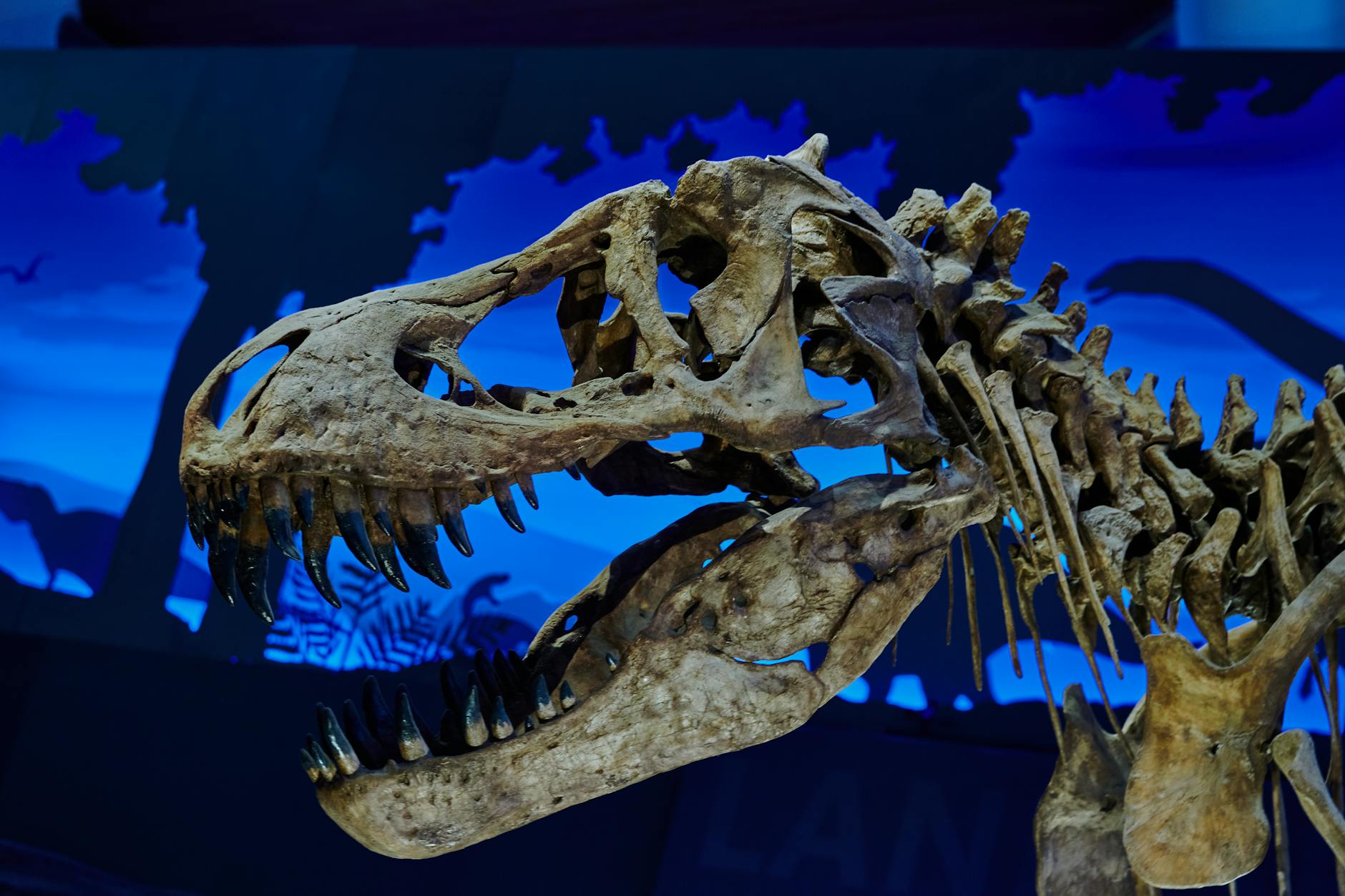
In the annals of palaeontology, few creatures capture the imagination quite like the Tyrannosaurus rex. Known for its fearsome appearance, this colossal predator's most baffling feature has long been its disproportionately small arms. However, a recent study published in the Proceedings of the Royal Society B might provide a long-awaited answer.
The research posits that the evolution of T. rex's tiny arms was not an evolutionary oversight but a calculated adaptation. As these ancient giants developed into formidable hunters, their heads and jaws evolved into the primary instruments of predation. The skulls of T. rex and similar theropods became increasingly robust, equipped with crushing jaws, reducing the reliance on their forelimbs.
For decades, the diminutive arms of the T. rex have provided fodder for humour and conjecture. Yet, the new findings suggest that these small limbs were far from useless appendages. Rather, they played a secondary role, allowing the dinosaur to focus its evolutionary prowess on refining its most effective weapon – its head.
Evolutionary Insights
The study shines a light not only on T. rex but also on the broader evolutionary trends amongst theropods. As these predators grew larger, their physical forms adapted to a specific niche. This adaptation underscores the importance of understanding evolution not merely as a random set of changes but as a series of strategic developments tailored to survival and efficiency.
While the T. rex's tiny arms might have been ridiculed, they serve as a reminder of evolution's intricate design. As scientists continue to uncover the layers of history embedded in the bones of these ancient creatures, each discovery adds a new chapter to our understanding of life on Earth.
Ultimately, the mystery of the tiny arms is more than a mere anatomical curiosity. It is a testament to the adaptability and ingenuity of life, even in forms that may initially seem perplexing to human eyes.