T. rex's Tiny Arms: A Palaeontological Puzzle Unravelled
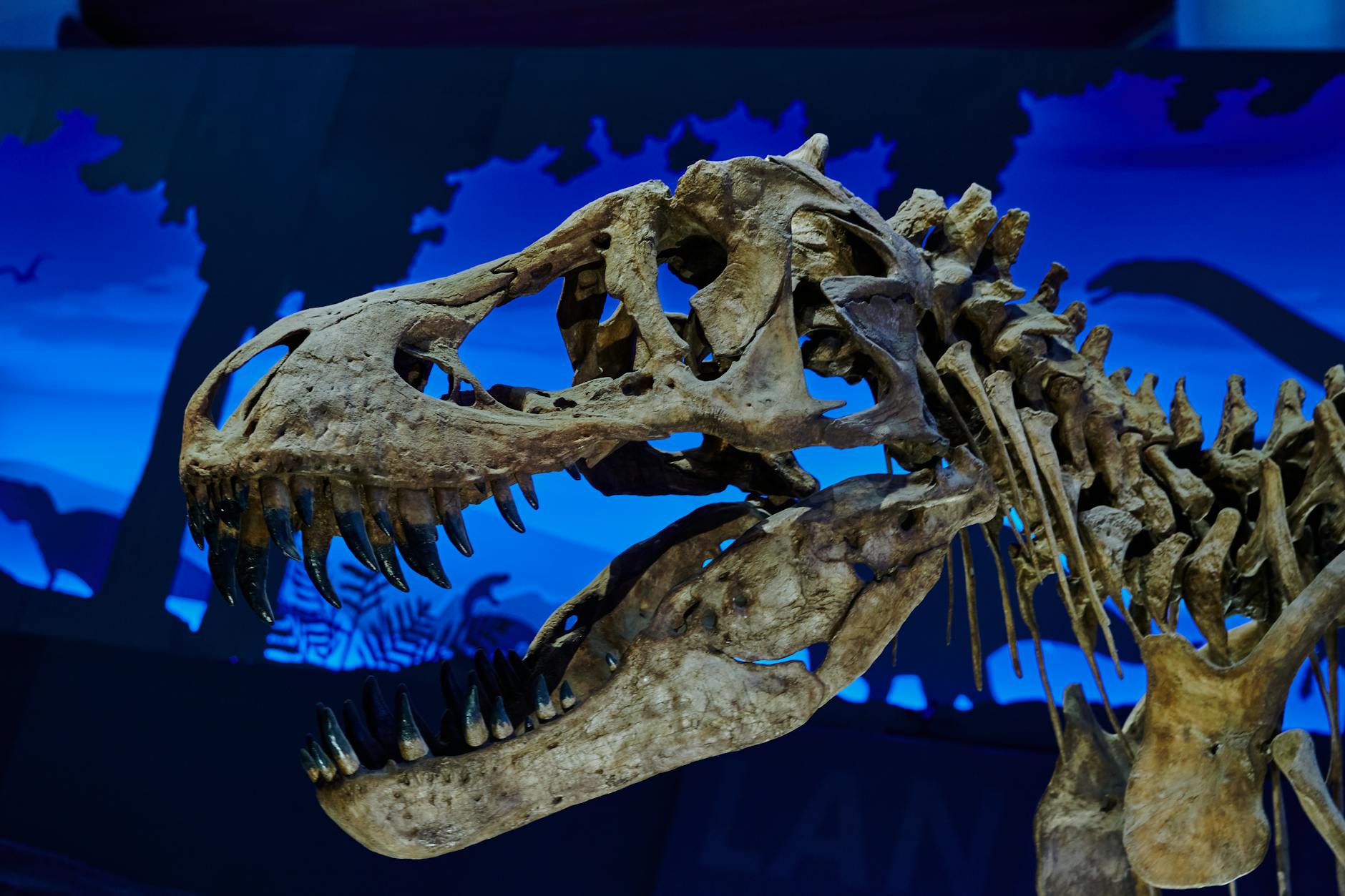
For decades, the Tyrannosaurus rex has been the poster child of prehistoric might, yet its disproportionately tiny arms have baffled scientists and sparked countless jokes. However, recent research suggests that these pint-sized appendages were not merely a quirky evolutionary oversight but an adaptative strategy driven by the dinosaur's immense cranial power.
Leading palaeontologists now propose a compelling theory: as the T. rex evolved to wield increasingly powerful jaws, capable of crushing bone and tearing through flesh, its arms became less critical for hunting. The sheer force exerted by their heads meant that their arms could afford to shrink, minimising energy expenditure on what had become a redundant feature.
The Role of Evolutionary Pressure
This revelation hinges on the principle of evolutionary trade-offs. In essence, as T. rex developed a more formidable bite, the evolutionary pressure shifted away from arm strength. This allowed the species to invest more energy and resources into enhancing their already fearsome skull structure, a feature that provided a clear survival advantage.
Dr. Julia Clarke, a researcher involved in the study, remarked, "The T. rex's bite was its primary weapon. With jaws that effective, the arms simply didn't need to do much." It's a perspective that challenges the popular perception of these dinosaurs as awkwardly proportioned creatures.
Implications for Dinosaur Research
The implications of this study extend beyond the T. rex itself, offering insights into the broader evolutionary strategies of theropods. By understanding how these creatures balanced their physical attributes, scientists can better comprehend the myriad adaptations that enabled their survival through various epochs.
While the mystery of the T. rex's tiny arms may have found a plausible answer, it serves as a reminder of the many untold stories locked in the fossil record, waiting for the right questions to unlock them. As researchers continue to piece together the past, each discovery not only enriches our understanding of these ancient beasts but also prompts us to reconsider how we view evolutionary success.