Tamil Nadu Sees Decline in Dengue Cases, Says Health Minister
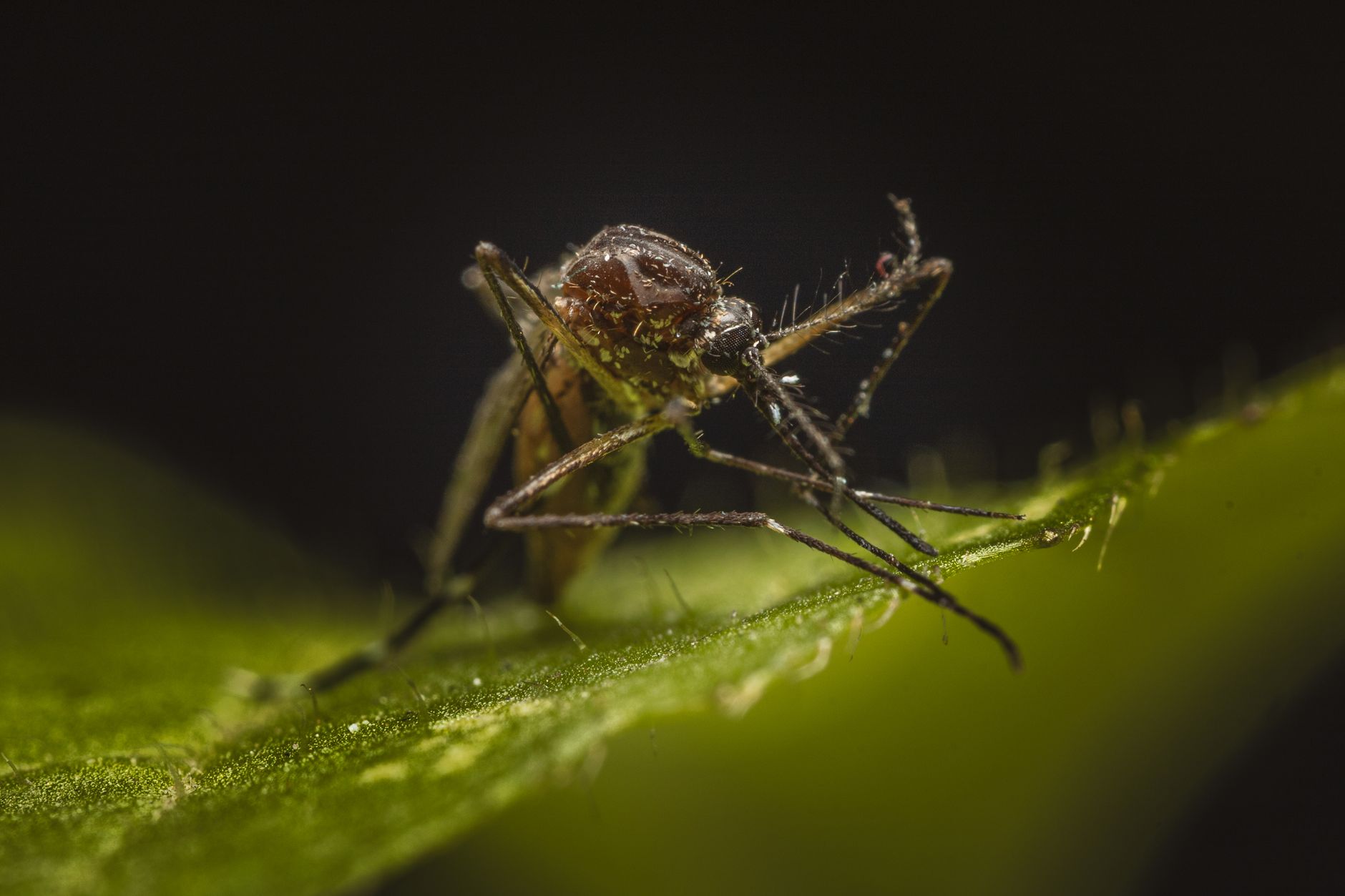
As the northeast monsoon looms large, Tamil Nadu Health Minister KG Arunraj has declared a reassuring decline in dengue cases across the state. This announcement, made amidst heightened public concern over fever cases, underscores the state's commitment to controlling the spread of this mosquito-borne disease.
In a press briefing on Sunday, Minister Arunraj revealed that the state has seen a downward trend in dengue cases for the third year running. "Our efforts are yielding results," he stated, highlighting the effectiveness of the intensified preventive measures. The state recorded 17,049 cases last year, but this year, the figure stands at 11,743 so far.
The health department's strategy involves an array of proactive steps. Expanded fogging operations have been undertaken in high-risk areas, while a pilot project testing a new repellant cream in Tenkasi aims to provide additional protection. These measures, Minister Arunraj noted, are particularly critical as the state braces for the potential health challenges posed by the incoming monsoon.
Despite the positive trend, the battle is not over. Dengue cases had surged earlier this year, with reports indicating 12,543 instances and four deaths by late August. The situation prompted the health ministry to ramp up efforts, ensuring that hospitals are equipped and public awareness is heightened.
As Tamil Nadu continues to monitor health indicators closely, the focus remains on maintaining these gains. The cooperation between local governments, healthcare providers, and the community is seen as crucial to tackling not just dengue, but other vector-borne diseases that could emerge during the monsoon season.
Challenges Ahead
While the statistics present a hopeful picture, experts caution against complacency. The erratic weather patterns can exacerbate the breeding conditions for mosquitoes, potentially leading to an uptick in cases.
The public is urged to stay vigilant, following recommended practices such as using mosquito nets and eliminating stagnant water sources. As Tamil Nadu stands at this critical juncture, the onus is on both the government and citizens to ensure that the gains in public health are not reversed.