Tamil Nadu's Political Tug-of-War Over Infrastructure Projects
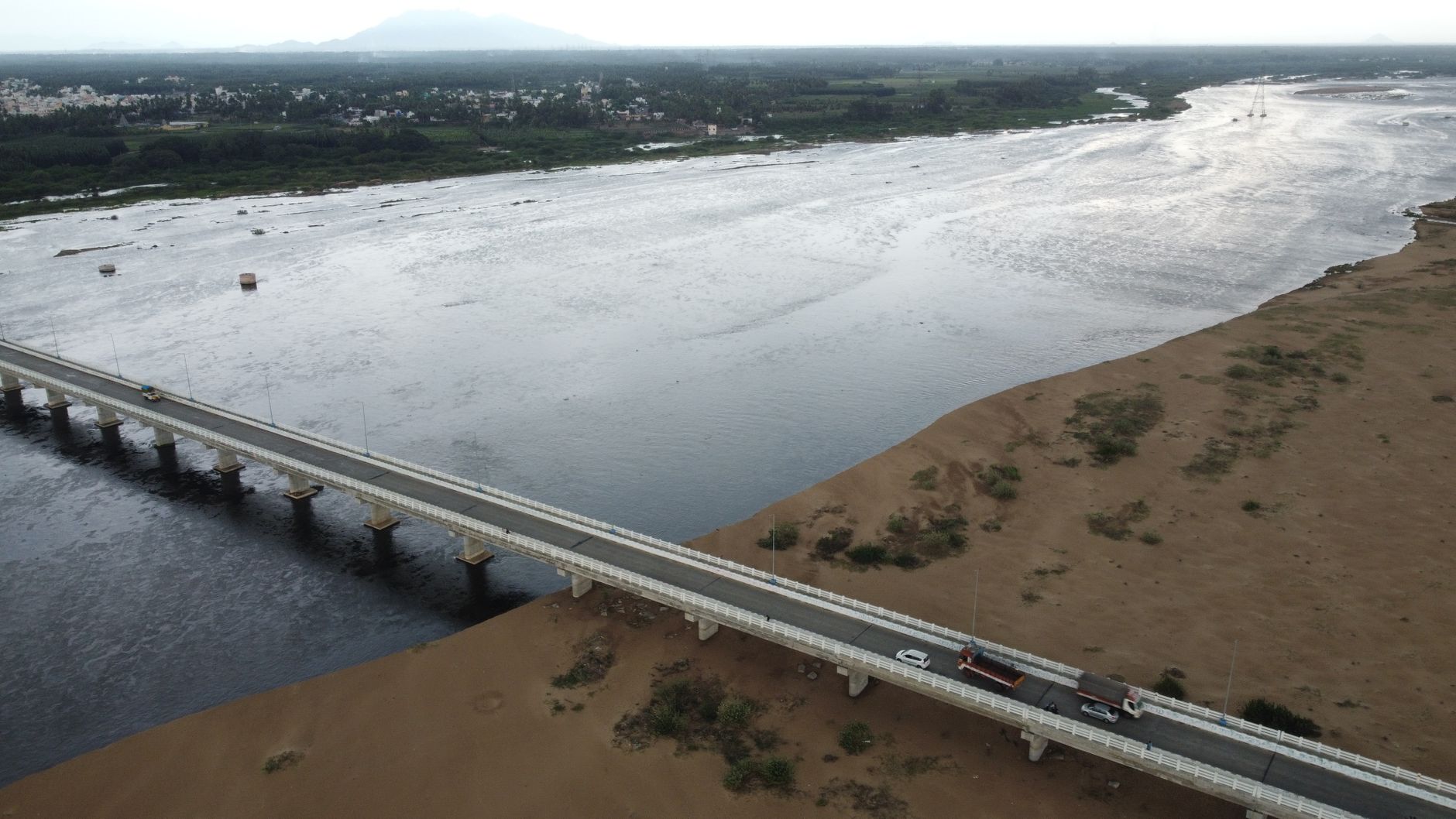
In the labyrinth of Tamil Nadu's politics, a familiar saga unfolds as the current TVK government embarks on cancelling projects launched by its predecessors. This recurring cycle of scrapping and rebranding infrastructure initiatives has now cast its shadow over highway projects spanning approximately 2,500 km, which were intended to enhance port and industrial connectivity.
These projects, part of a ₹1-lakh-crore pipeline, were not merely about roads and bridges; they were the arteries meant to breathe life into the state's economy. Yet, political expediency seems to have taken precedence over economic prudence. The discontinuity in policy, critics argue, can stymie progress and inflate costs as each new government attempts to leave its mark by undoing the work of its predecessors.
The Political Cost of Discontinuity
The cancellation of these projects is not just a financial setback but a reflection of the broader political culture in Tamil Nadu. Each regime change often brings a slew of policy reversals, a practice that has become a political tradition of sorts. In a state where small and marginal farmers are already grappling with debt cycles due to erratic rainfall and dwindling resources, such discontinuity can exacerbate socio-economic challenges.
Mettur, the primary reservoir feeding the Cauvery delta irrigation system, was not opened on its customary date this year due to low water levels, highlighting the critical nature of infrastructure planning and implementation. The focus, many argue, should be on building resilience into the state's agricultural backbone rather than indulging in political one-upmanship.
A Strategic Gamble?
For the ruling TVK party, the decision to cancel these projects could be seen as a strategic move to consolidate power by differentiating itself from the previous administration. However, this strategy comes with risks. The electorate, increasingly weary of political games, might not look kindly upon actions that appear more like political point-scoring than genuine governance.
As the political tug-of-war continues, the real cost may well be borne by the people of Tamil Nadu, who find themselves caught in the crossfire of policy discontinuity. The question remains whether this cycle will ever break, allowing for a more stable and continuous development path that truly benefits the state's populace.