Tamil Nadu's Secretariat Plan Sparks Environmental Debate
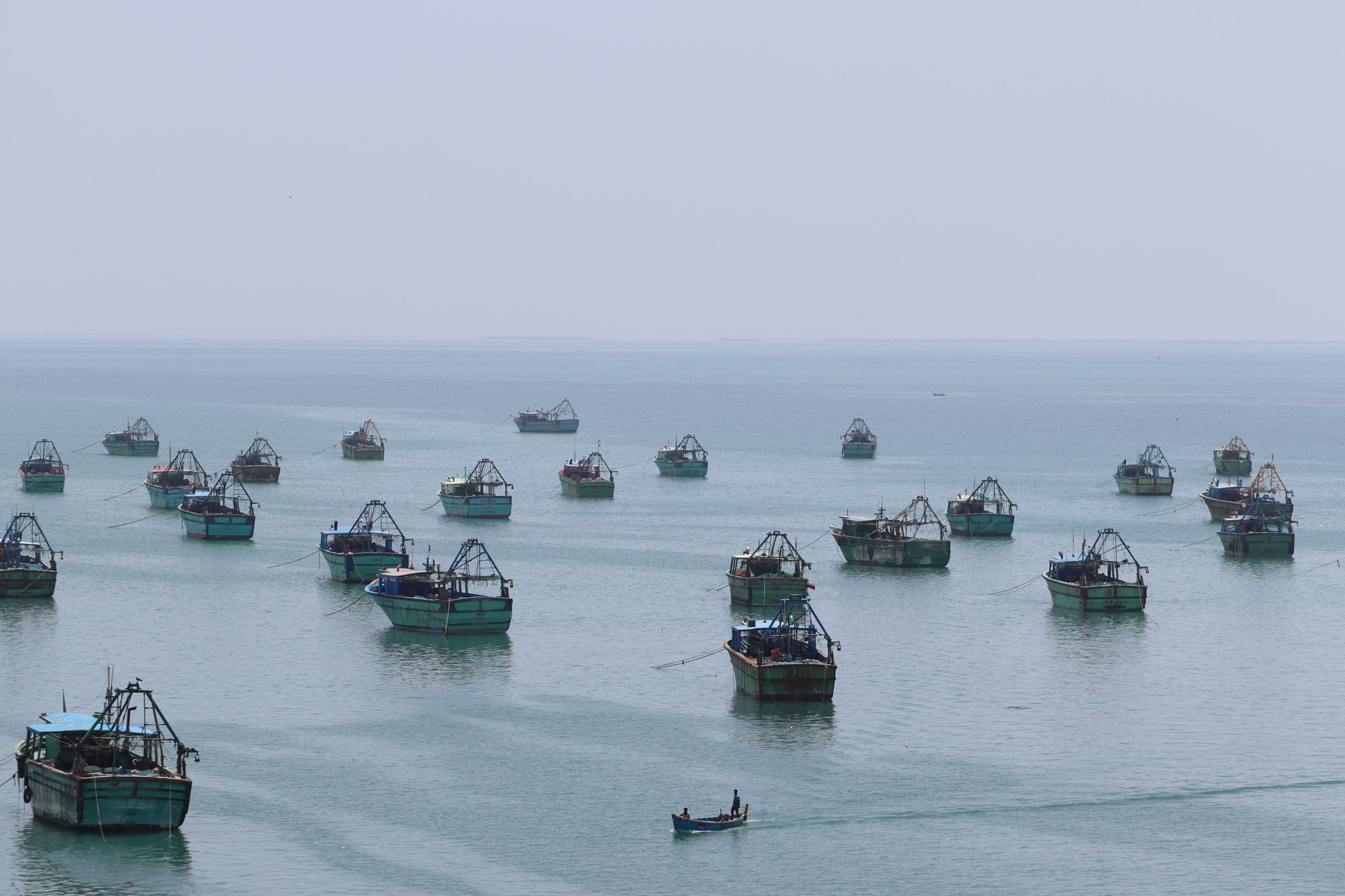
Tucked along the bustling coast of Chennai, the proposed new Secretariat at Pattinapakkam has become a lightning rod for controversy. As bulldozers stand ready to break ground, local fishermen are raising their voices in protest, fearing that their centuries-old way of life may be swept away in the tide of development.
The Tamil Nadu government has envisioned a grand new complex, a symbol of modern governance. Yet, for the families whose lives are intricately woven with the sea, this plan represents an existential threat. 'We are already living in cramped conditions,' says local fisherman Ramesh Jayaraman, 'and this project could mean the end of our community.'
The pushback isn’t just local. Environmentalists, too, have sounded the alarm, pointing out the potential ecological damage. The coastal ecosystem, already under pressure from urban expansion, could face further degradation. The Pattinapakkam area, they argue, is not merely a tract of land; it is a living entity supporting a delicate balance of marine life.
Political Pressure
Adding to the government’s woes, political voices have joined the fray. T.T.V. Dhinakaran, a prominent political figure, has publicly called for a reassessment of the location, warning of the social and environmental costs. His words echo the sentiments of many who feel that the government’s rush to modernise may be overlooking the needs of its people.
The government, reportedly considering a retreat from its initial plan, finds itself at a crossroads. The decision will not be merely about land use but will serve as a litmus test for how it values its citizens' welfare against the backdrop of urban ambition.
The Broader Implications
This debate is not just about a building. It raises fundamental questions about how a rapidly developing region can grow sustainably without sacrificing its environmental integrity or the welfare of its people. As Tamil Nadu grapples with this issue, the resolution could set a precedent for other states facing similar challenges.
In the end, the true measure of progress may lie not in the edifices of governance but in the preservation of communities that give life to the land. Whether the new Secretariat will rise in Pattinapakkam remains uncertain, but the dialogue it has sparked is vital for the region’s future.