Tanmiah Food Company Strengthens Environmental Ties with Landmark MoU
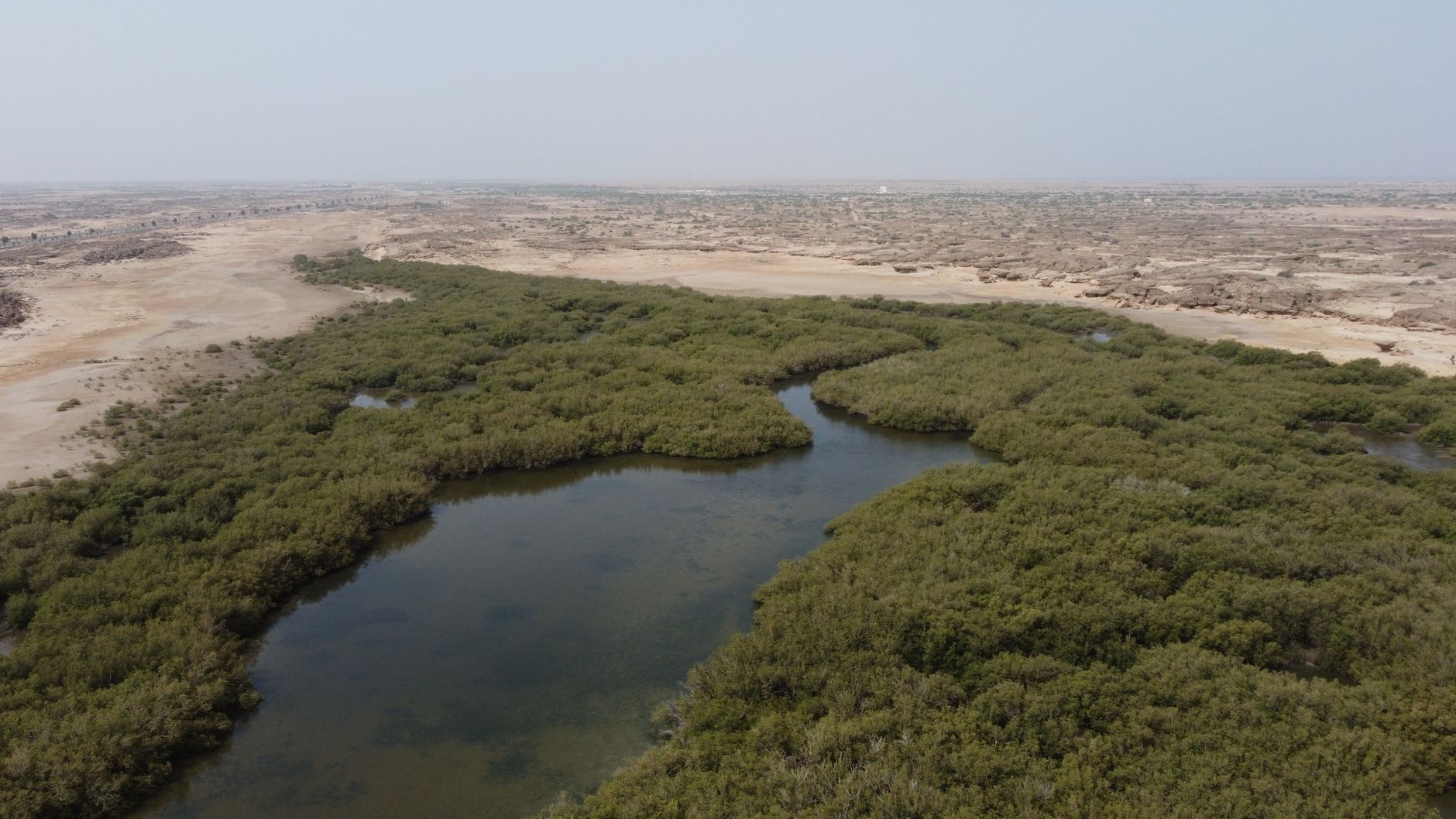
In a move set to transform Saudi Arabia's environmental landscape, the Environment Fund and Tanmiah Food Company have inked a memorandum of understanding (MoU) to enhance cooperation in environmental initiatives. The partnership, witnessed by key dignitaries, underscores a shared commitment to the Kingdom’s sustainability targets, notably the Al-Ahsa Green initiative.
The Al-Ahsa Green initiative, a cornerstone of Saudi Arabia's environmental strategy, aims to increase greenery and combat desertification. Tanmiah's participation, through this MoU, is poised to accelerate efforts in afforestation, reflecting the company's broader commitment to environmental stewardship.
A Roadmap for Sustainability
Tanmiah has made significant strides in aligning its operations with sustainability principles. The company’s waste-to-value roadmap is a testament to its dedication to converting organic waste into useful resources, thereby reducing its carbon footprint. The recent agreements complement these efforts, notably through the planned development of the region's first geothermal-cooled poultry facility.
The MoU with the Environment Fund is not just about planting trees; it encompasses a comprehensive approach to environmental research and studies. This collaboration is expected to yield insights that could shape future environmental policies and practices across the Kingdom.
Beyond Afforestation
While afforestation remains a primary focus, the MoU also paves the way for exploring innovative recycling methods in agriculture, particularly in the poultry sector. By transforming agricultural waste into valuable resources, Tanmiah aims to set a precedent for sustainable practices within the industry.
Moreover, the company has also signed other agreements aimed at reducing carbon emissions and improving energy efficiency. These initiatives are part of a broader strategy to mitigate environmental impacts while enhancing food security.
As Saudi Arabia continues to pursue its Vision 2030 goals, partnerships like these are crucial. They not only promote environmental sustainability but also demonstrate the potential of collaborative efforts in addressing global environmental challenges.