Tata Sons' New Ventures Face Mounting Losses
In the bustling heart of Mumbai, Tata Sons' latest ventures, once seen as harbingers of a new era, are struggling to stay afloat. Financial Year 2026 painted a grim picture for the conglomerate, with losses deepening across its newest sectors. Aviation, once the pride of India's industrial giant, alongside digital commerce and electronics, have marked a downturn that few predicted.
While the group’s revenue impressively doubled to ₹1.3 trillion, the losses tell a different story. The iPhone contract manufacturing division, a jewel in Tata's crown, reported a staggering loss of ₹1,611 crore, a sharp increase from the previous year's ₹70 crore. In a bid to stabilise the situation, Tata Sons injected ₹3,000 crore into the struggling sectors.
Challenges and Opportunities
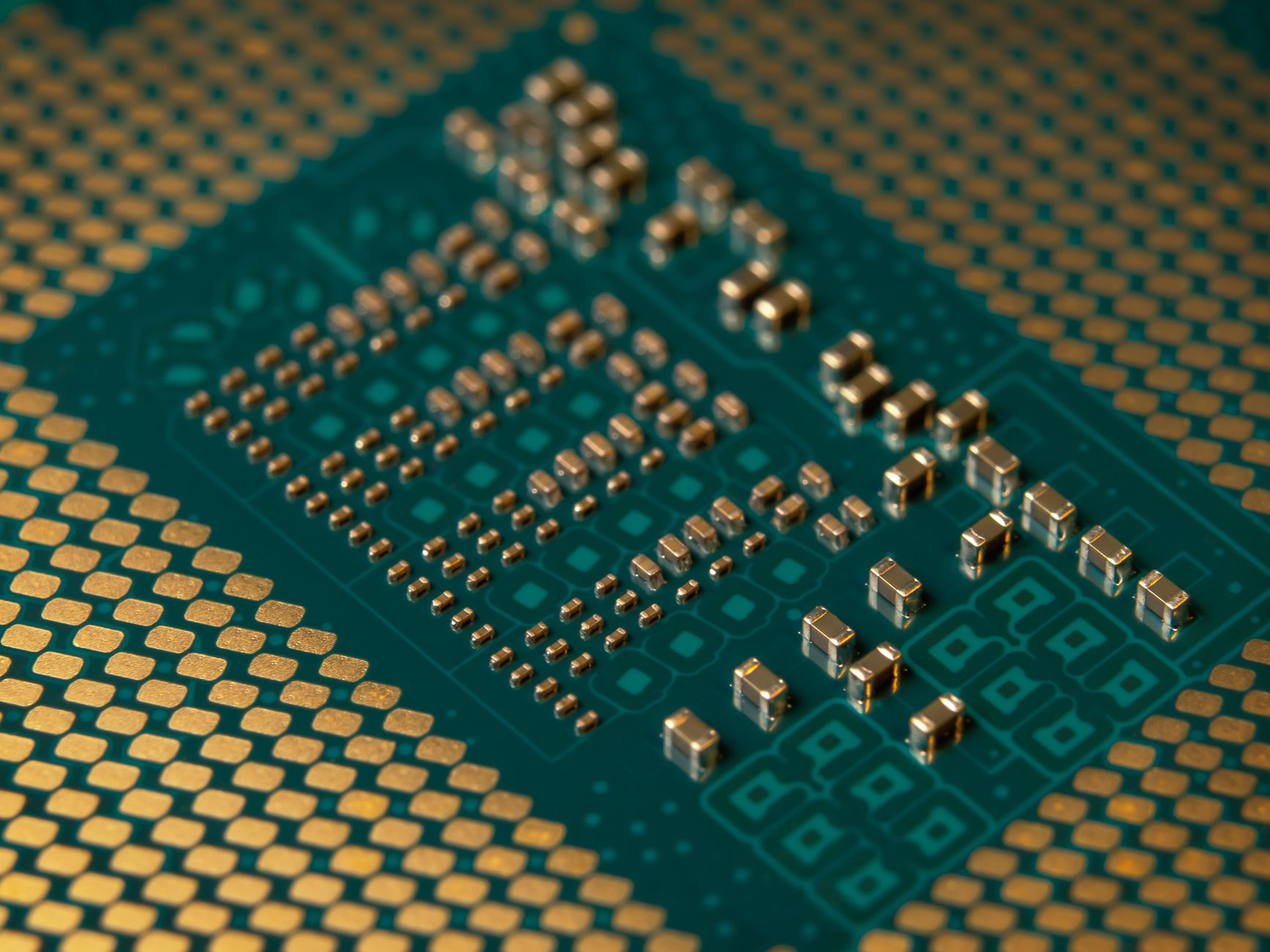
Chairman N Chandrasekaran remains unperturbed by the setbacks. He sees a silver lining in the form of artificial intelligence and semiconductors, which he believes will steer Tata Sons into prosperous waters. "The world is moving at an unprecedented pace, and we must adapt," he remarked at a recent press conference, highlighting the group's strategic investments despite geopolitical and technological upheavals.
However, the path is fraught with challenges. The mark down of Tata Digital’s valuation in June, when the company invested ₹2,970 crore, signalled the tough terrain ahead. Chandrasekaran acknowledged the complexities but expressed confidence in navigating them successfully.
Future Prospects
The question that looms large is whether Tata Sons can pivot effectively. The commitment to AI and semiconductors, while promising, requires substantial investment and innovation. The conglomerate's ability to weather current losses will hinge on its agility in these domains.
As Tata Sons grapples with these losses, the business world watches keenly. Will the company, with its storied past and ambitious future, manage to turn the tide? For now, it remains a matter of strategic perseverance and calculated risk.