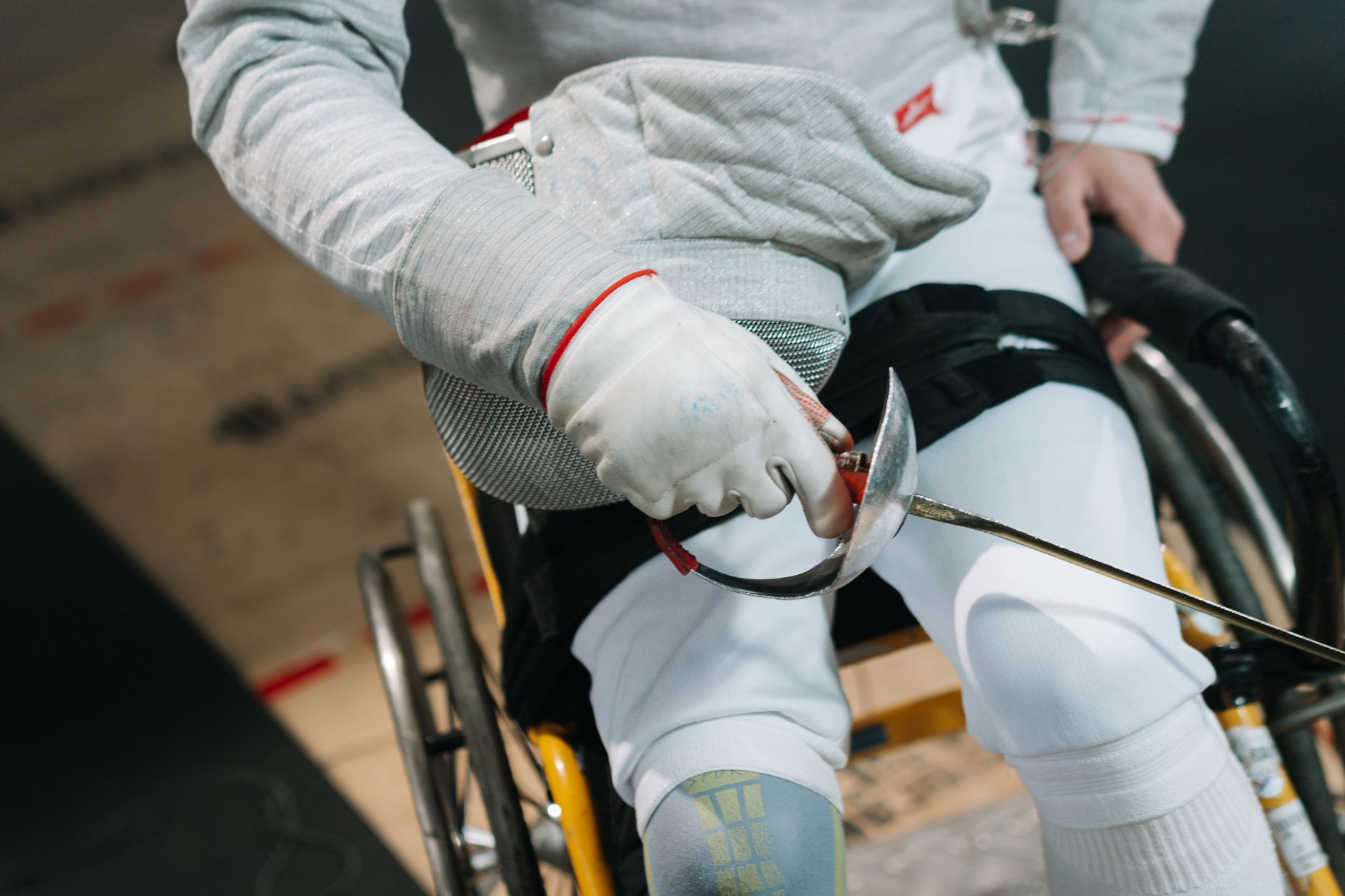
Teachers Rally Against Sports Quota Recruitment Controversy in Andhra
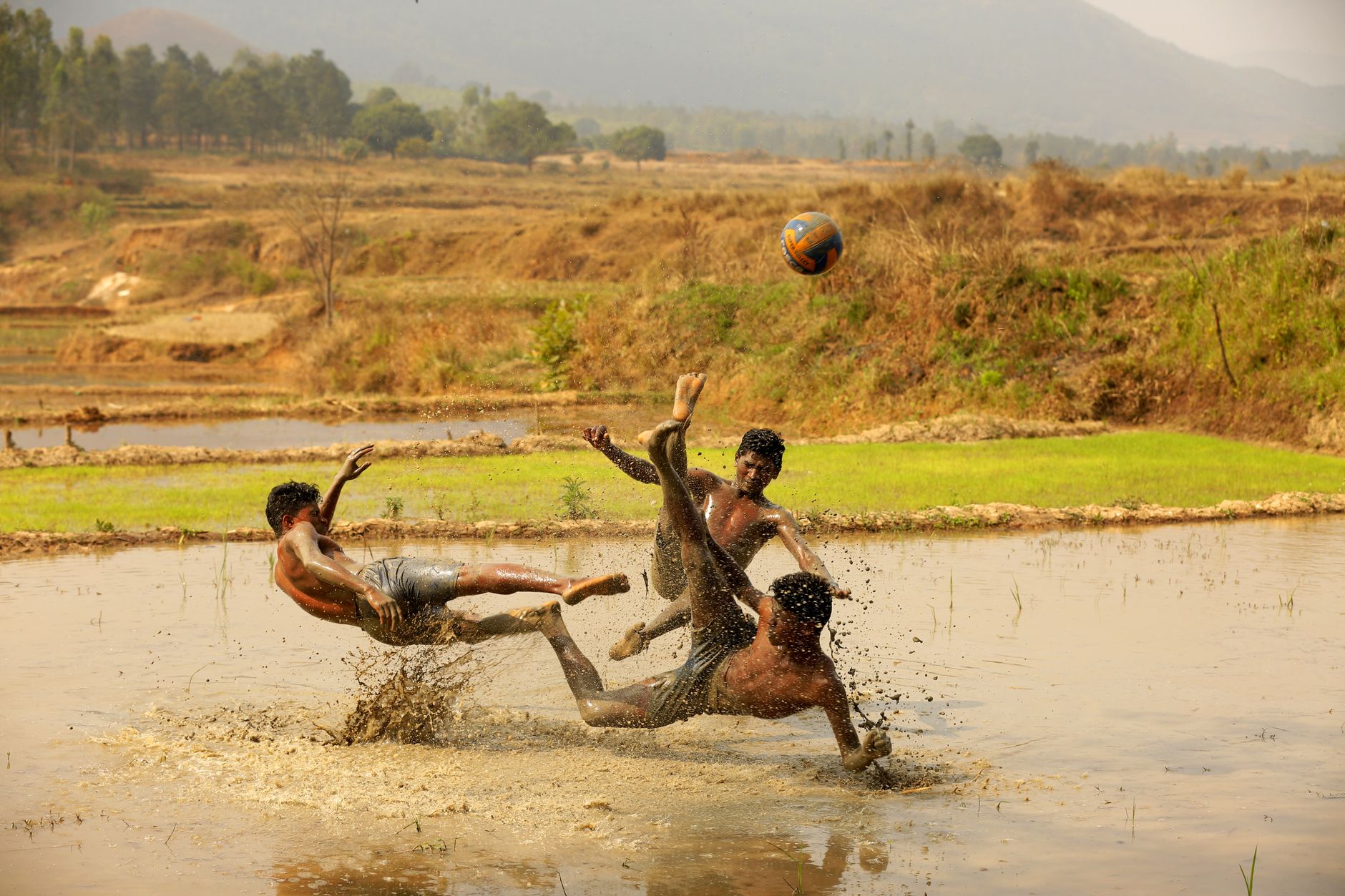
In the bustling city of Vijayawada, a new front has opened in the ongoing saga of Andhra Pradesh's educational recruitment. Teachers have taken to the streets, decrying what they see as unwarranted attacks on sports quota recruits amidst a heated controversy surrounding the District Selection Committee (DSC) recruitment process.
The bone of contention lies in the accusations of irregularities purported by the YSR Congress Party (YSRCP), which has led to a series of protests. The YSRCP has been vociferous about alleged discrepancies in the recruitment of teachers under the sports quota, a charge vehemently rejected by the state government, which maintains that the process adhered strictly to the guidelines set by the Supreme Court and relevant government orders.
Political Crossfire
The situation has escalated with prominent political figures entering the fray. N. Chandrababu Naidu, the former Chief Minister, has openly challenged the current government to a debate, condemning the attacks on teachers and insisting on lawful recruitment processes. Meanwhile, Nara Lokesh, a leading voice in the opposition, has expressed commitment to bolstering sports development in line with Prime Minister Narendra Modi's vision of Olympic glory.
Despite the political crossfire, the government has remained steadfast. Officials assert that the DSC-2025 process was transparent, underscoring their commitment to fair recruitment practices. The sports quota, they argue, is crucial for nurturing talent that could one day shine on the international stage.
Implications Beyond Recruitment
Amidst the protests, the broader implications of this controversy loom large. The recruitment process not only affects aspiring teachers but also reflects the state's approach to sports and education. With a growing emphasis on sports as a pathway to international recognition, the stakes are high. The resolution of this controversy will likely set a precedent for future recruitment processes in Andhra Pradesh and potentially influence sports quota policies across India.
As the dust settles, educators and policymakers alike will need to navigate these turbulent waters with care, balancing the need for transparency with the aspirations of a state eager to make its mark on the global stage.